Subtotal $0.00


- Thursday 03/12/2026

Daily yoga is one of the most powerful natural tools for improving mental health. With gentle movement, mindful breathing, and calming postures, yoga relaxes the nervous system and clears the mind. Practicing even a few minutes of yoga each day helps reduce stress, sharpen focus, improve emotional balance, and promote deep, restful sleep. Whether you are a beginner or continuing your wellness journey, daily yoga can strengthen both your mind and body, creating long-term mental stability and inner peace.

Daily yoga supports mental health by calming the nervous system and improving the brain body connection. Slow, controlled breathing reduces heart rate and signals the mind to relax. Basic postures boost circulation, stimulate the brain, and help improve memory and clarity. Gentle stretching releases physical tension from the neck, shoulders, and spine areas where stress commonly accumulates. When the body relaxes, the mind naturally follows, creating space for emotional healing and improved mental resilience.
 Stress Relief
Stress relief is one of the most well-known benefits of yoga. When stress builds up, the body tightens and the mind becomes overwhelmed. Daily yoga helps reverse this pattern. Slow breathing techniques clear tension from the nerves, while calm postures organize thoughts and stabilize the mind.
Gentle stretching relaxes tight muscles and reduces strain on the heart. Twisting poses release pressure in the neck and back, bringing instant comfort. As the body softens, the mind cools down, and emotional stress melts away. Side bends open the lungs and deepen the breath, helping oxygen circulate better. Supine poses lighten the legs and protect the joints, while open-chested positions lift the mood and brighten facial expression.
Even a short relaxation hold allows the brain to shut off mental noise. Over time, this daily reset reduces chronic stress and improves emotional quality of life.
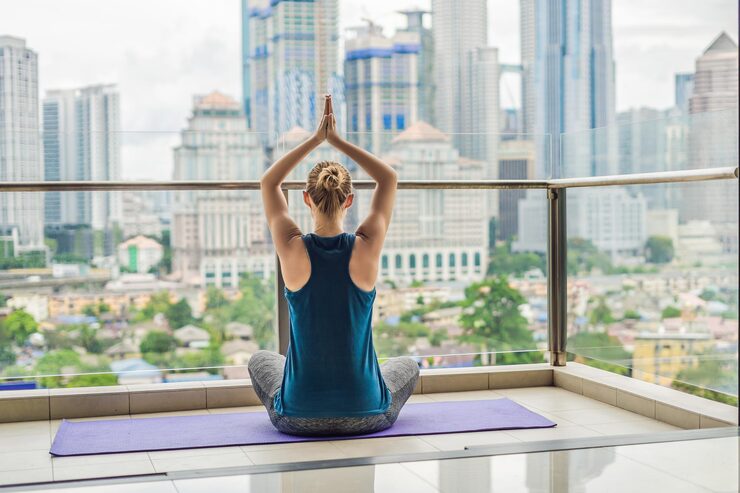
Daily yoga sharpens focus, strengthens attention, and improves mental clarity. Balanced posture keeps the mind steady, while a strong core supports better alignment and improved awareness. A steady gaze, known as drishti, trains the mind to concentrate on a single point, reducing distractions.
Flow sequences also support mental clarity by building rhythm and consistency. When practiced regularly, these movements help organize daily tasks and improve time management. Twisting poses increase blood circulation to the brain, boosting alertness, memory, and decision-making. Continuous flow smooths the blink rate, helping maintain visual focus during work and study.
Yoga also strengthens the physical body, which indirectly boosts mental clarity. Chair pose builds leg strength and improves grounding. Planks tone the arms and core, encouraging better posture. Side planks sculpt the waist and support the spine. Bridge pose expands the lungs and improves breath capacity. With improved strength and endurance, overall mental performance becomes sharper and more efficient.
Emotional balance is essential for mental well-being, and yoga creates a stable inner environment. Breath counting calms anxiety, while meditation reduces fear and emotional turbulence. Mantras brighten the mood and help reframe negative thoughts.
Gentle hip-opening poses release tension stored deep in the body, including emotional blocks related to stress, sadness, or frustration. Twisting movements improve digestion, which has a strong connection to emotional health. When the digestive system works smoothly, the mind feels lighter and more stable.
Daily yoga helps reduce anger, regulate mood swings, and promote general happiness. Over time, practitioners experience increased confidence, a calmer temperament, and a more positive outlook on life.

Yoga is highly effective for improving sleep quality. Forward folds calm the mind and reduce mental load at the end of the day. Supine poses release pressure from the lower back and hips, allowing the body to relax fully. Holding restorative postures for several minutes helps slow the heartbeat and soothe the nervous system.
Gentle twisting aids digestion, reducing night-time discomfort and promoting deeper sleep. A peaceful yoga routine before bed makes it easier to fall asleep quickly and wake up refreshed in the morning. Individuals who practice daily yoga often report fewer sleep disturbances and more stable energy throughout the day.
Daily yoga is a powerful practice for maintaining mental health. It keeps the mind fresh, reduces stress, enhances focus, and supports emotional well-being. Even a few minutes of practice each day can bring clarity, inner peace, and renewed energy. Breathwork spreads calmness, gentle flow maintains energy, and postures keep the body refreshed and the mind sharp. With consistent effort, yoga becomes a strong shield for mental health helping you live a happier, more balanced, and more peaceful life.
Does daily yoga reduce stress?
Yes, daily yoga relaxes the nerves, stabilizes the heart rate, and clears away stress waves. Slow breathing melts away the clouds of tension, and quiet poses calm the mind.
Does yoga improve focus?
Of course, a balanced stance and core holds keep the mind steady and vision clear. A steady gaze trains the mind on a goal, and daily planning becomes easier. Bending increases cerebral blood flow, which strengthens both alertness and decision-making power.
Does yoga help with emotional balance?
Yes, counting breaths, meditation, and gentle turns stabilize mood and reduce anger. Chanting the mantra lightens the soul and reduces the waves of fear. Hip openers release internal blocks, leading to increased confidence and the return of a natural smile.
Is yoga beneficial for better sleep?
Yes, forward folds, supine poses, and relaxed holds make for deep and smooth sleep. A gentle twist improves digestion, which reduces discomfort at night..
Is mental health yoga safe for beginners?
Yes, gentle movements and slow flow are safe and effective for beginners. Basic stretches extend the spine and give tenderness to the joints. Breathwork educates fledglings on the nuts and bolts of unwinding, giving a smooth beginning to their yoga journey.
Does yoga help improve mental health?
Undoubtedly, yoga with a sound slim-down has twice the impact of unwinding. An adjusted calorie count controls disposition swings, and yoga makes a difference for them and keeps vitality steady.