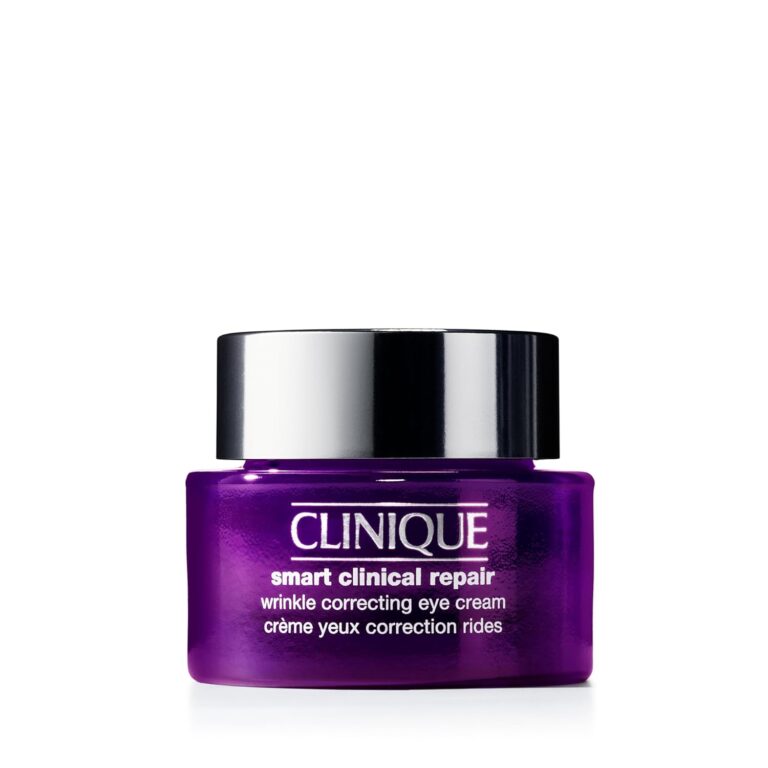
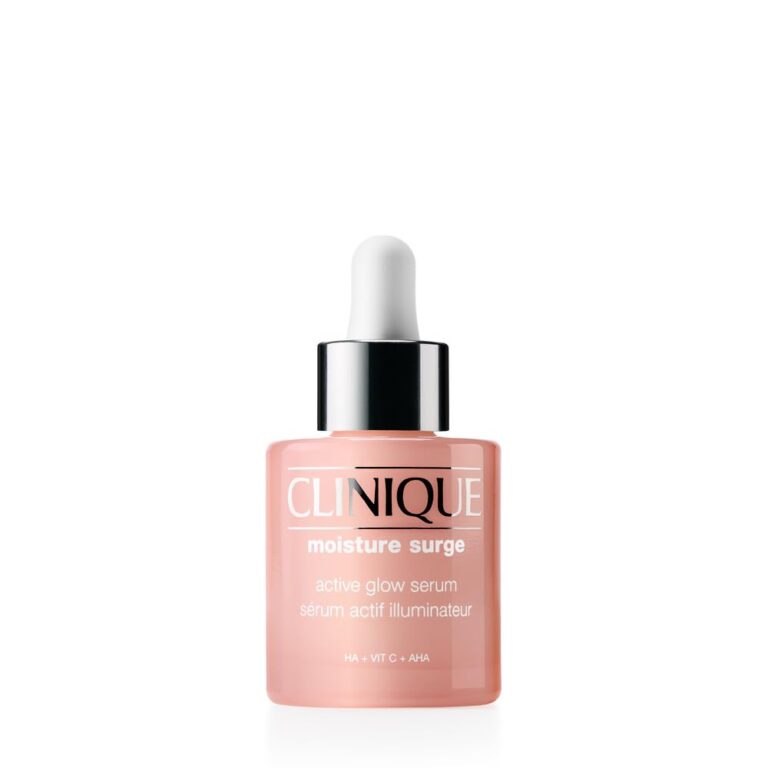
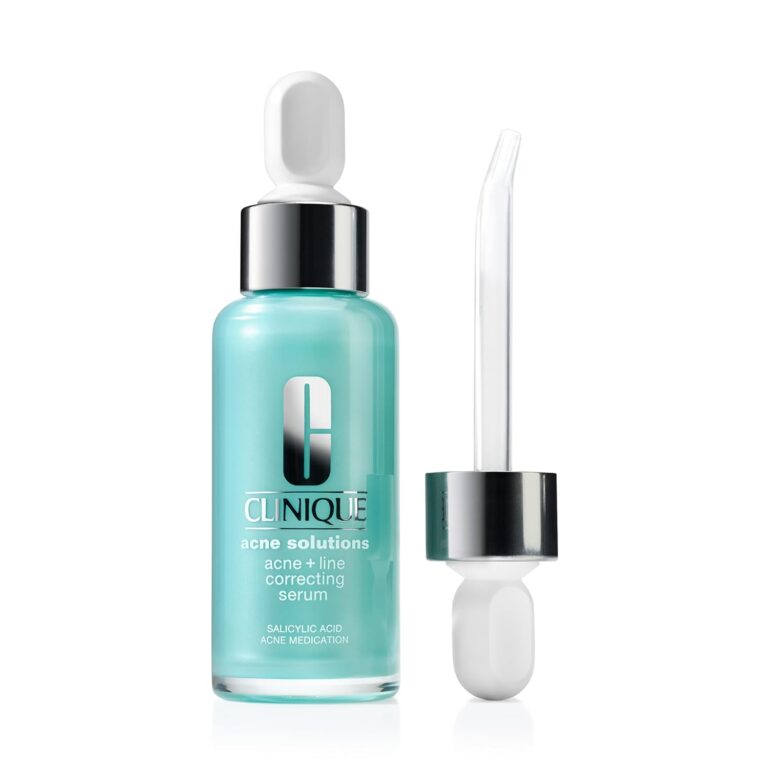
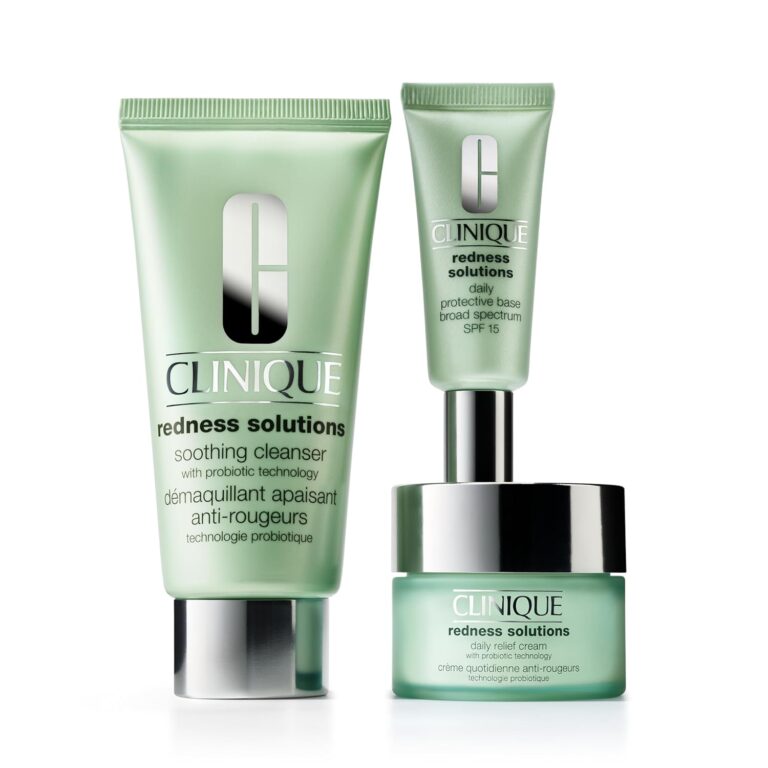
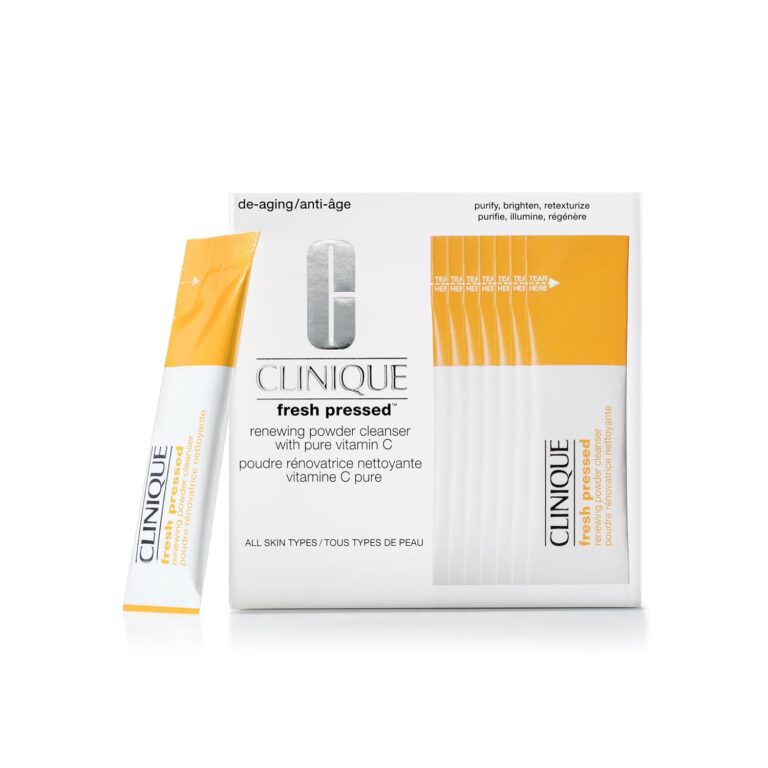
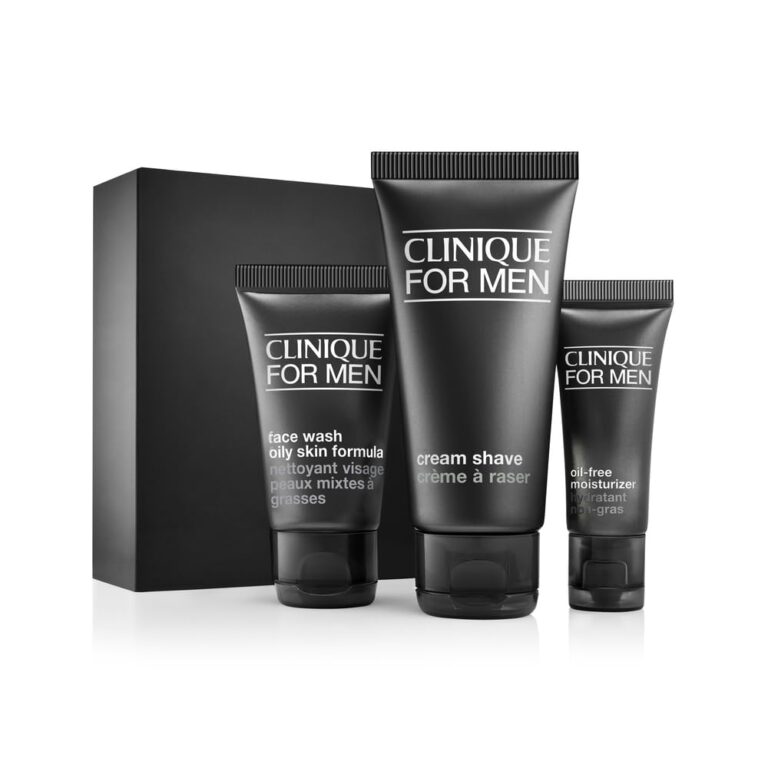
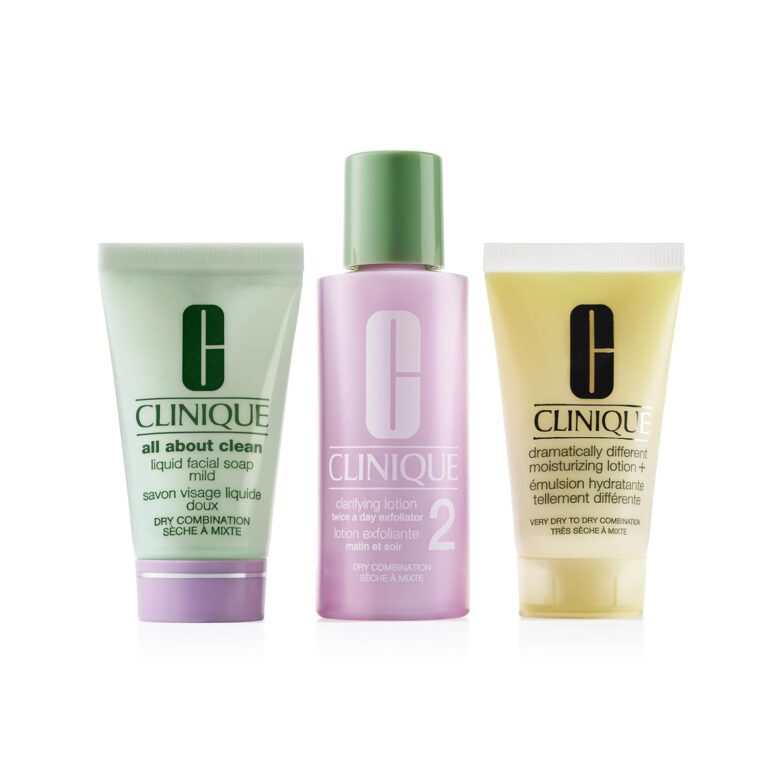
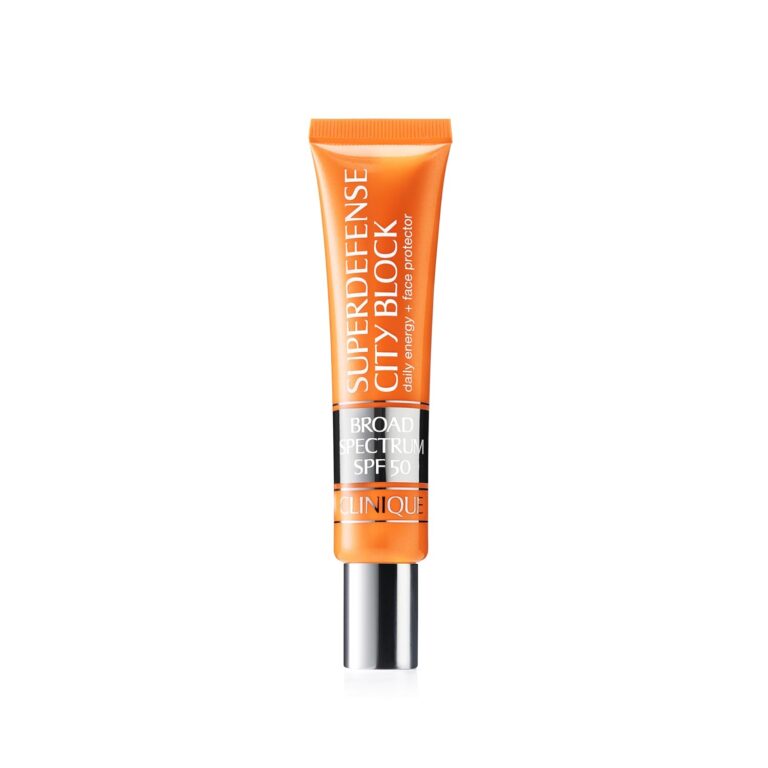
Aging is a natural biological process, but how your skin ages is influenced by science, lifestyle, and skincare choices. Thanks to modern dermatology and cosmetic chemistry, it’s now possible to slow visible signs of aging more effectively than ever before. Fine lines, wrinkles, loss of elasticity, uneven tone, and dullness are no longer inevitable outcomes. They’re conditions that can be managed with the right strategies.
This comprehensive guide explores advanced anti-aging skincare techniques, powerful modern ingredients, and evidence-backed routines that go far beyond basic cleansing and moisturizing. Whether you’re in your 30s aiming for prevention or your 50s seeking rejuvenation, these insights can help you maintain healthier, more youthful-looking skin for years to come.
Understanding How Skin Ages at a Cellular Level
To combat aging effectively, it’s essential to understand what’s happening beneath the surface of your skin.
Intrinsic vs. Extrinsic Aging
-
Intrinsic aging is genetically programmed and occurs naturally over time. It leads to slower cell turnover, reduced collagen production, and thinner skin.
-
Extrinsic aging is caused by environmental factors such as UV exposure, pollution, smoking, stress, and poor diet.
Modern anti-aging skincare focuses heavily on minimizing extrinsic damage while supporting the skin’s natural repair processes.
Collagen and Elastin Breakdown
From your mid-20s onward, collagen production decreases by about 1% per year. Elastin fibers also weaken, resulting in sagging and wrinkles. Advanced skincare products aim to stimulate fibroblasts—the cells responsible for producing collagen and elastin.
Why Traditional Skincare Is No Longer Enough
Basic skincare routines (cleanser, moisturizer, sunscreen) are essential, but they primarily maintain skin health rather than reverse aging.
To truly slow down visible aging, you need targeted treatments that:
-
Work at the cellular level
-
Penetrate deeper layers of the skin
-
Address inflammation, oxidative stress, and DNA damage
This is where advance anti-aging skincare tips become crucial combining science-driven ingredients with smart application techniques.
Modern Ingredients That Transform Aging Skin
Today’s skincare formulations are more sophisticated than ever. Below are some of the most effective ingredients supported by clinical research.
Retinoids: The Gold Standard
Retinoids (retinol, retinal, tretinoin) accelerate cell turnover, stimulate collagen synthesis, and improve skin texture. They reduce wrinkles, fade pigmentation, and unclog pores.
Pro tip: Start with a low concentration and use only at night to minimize irritation.
Peptides: Cellular Messengers
Peptides signal the skin to produce more collagen and repair damage. Unlike retinoids, they’re gentle and suitable for sensitive skin.
Niacinamide (Vitamin B3)
This multitasking ingredient improves elasticity, strengthens the skin barrier, minimizes pores, and reduces inflammation.
Antioxidants
Vitamins C and E, ferulic acid, and green tea extract neutralize free radicals caused by UV rays and pollution. Antioxidants prevent premature aging and enhance sunscreen effectiveness.
Growth Factors and Stem Cell Technology
Advanced formulations now include bioengineered growth factors that support cellular regeneration and repair. While expensive, they offer promising anti-aging benefits.
How to Build an Advanced Anti-Aging Routine
A strategic skincare routine ensures that active ingredients work synergistically rather than causing irritation.
Morning Routine
-
Gentle cleanser
-
Antioxidant serum (Vitamin C-based)
-
Lightweight moisturizer
-
Broad-spectrum SPF 30 or higher
Night Routine
-
Cleanser
-
Chemical exfoliant (2–3 times weekly)
-
Retinoid treatment
-
Barrier-repair moisturizer
Consistency is more important than product quantity. Overloading the skin can compromise the barrier and accelerate aging.
Targeted Anti-Aging for Different Skin Types
Dry and Mature Skin
Focus on ceramides, hyaluronic acid, and nourishing oils to maintain hydration and reduce fine lines.
Oily and Acne-Prone Skin
Lightweight formulations with niacinamide, retinoids, and gel-based moisturizers prevent breakouts while addressing aging.
Sensitive Skin
Choose fragrance-free, low-irritation products and introduce actives gradually.
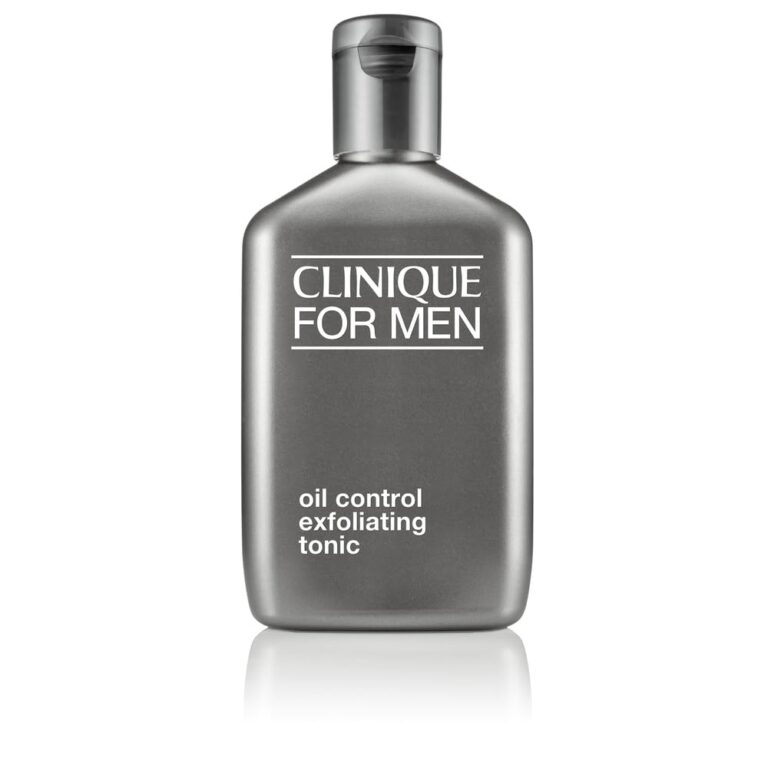
Skincare Is Gender-Neutral but Men’s Skin Has Unique Needs
Men’s skin is approximately 25% thicker and produces more sebum due to higher testosterone levels. This makes it more resilient but also prone to enlarged pores and deeper wrinkles over time.
A well-formulated anti aging cream for men should address:
Men benefit equally from retinoids, peptides, and sunscreen, even if their skincare routines are simpler.
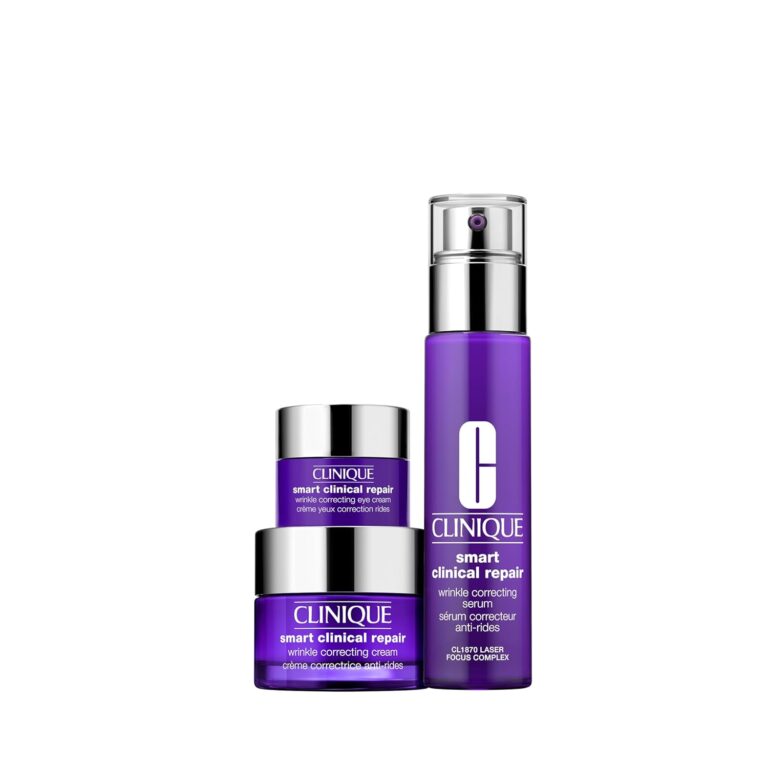
The Role of Serums in Advanced Skincare
Serums are concentrated formulations designed to deliver active ingredients deep into the skin.
A high-quality anti aging serum typically targets:
-
Fine lines and wrinkles
-
Uneven tone and texture
-
Loss of firmness
Because of their lightweight molecular structure, serums penetrate more effectively than creams, making them essential for advanced anti-aging regimens.
While topical products are powerful, professional treatments can amplify results.
Chemical Peels
Improve texture, pigmentation, and fine lines by removing damaged surface layers.
Microneedling
Stimulates collagen production through controlled micro-injuries.
Laser and RF Treatments
Tighten skin and boost collagen using heat-based technology.
These treatments should always be performed by licensed professionals and combined with proper aftercare.
Lifestyle Factors That Accelerate or Slow Aging
Even the most advanced skincare cannot counteract poor lifestyle habits.
Nutrition
Diets rich in antioxidants, omega-3 fatty acids, and protein support skin repair.
Sleep
During deep sleep, the body releases growth hormones essential for cell regeneration.
Stress Management
Chronic stress increases cortisol levels, breaking down collagen and accelerating aging.
Sun Protection
UV exposure accounts for up to 80% of visible facial aging. Daily sunscreen use is non-negotiable.
Common Anti-Aging Mistakes to Avoid
-
Using too many actives simultaneously
-
Skipping sunscreen indoors
-
Expecting overnight results
-
Ignoring neck and hands
-
Over-exfoliating
Anti-aging is a long-term commitment, not a quick fix.
Final Thoughts: Aging Gracefully with Science and Strategy
Modern skincare offers unprecedented opportunities to slow and manage visible aging. By combining advanced ingredients, consistent routines, professional treatments, and healthy lifestyle choices, you can maintain strong, resilient, and youthful skin at any age.
Remember, the goal isn’t to stop aging, it’s to age intelligently, confidently, and healthily.
https://www.profitableratecpm.com/hjxh6b80?key=9e65c3e44b1d7af1b5715b31bced7922