Maintaining healthy, shiny, and strong hair begins with a simple and consistent routine. A beginner’s basic hair care routine does not need to be complicated—just a few mindful steps can greatly improve scalp health, texture, and natural shine. Whether you struggle with dryness, frizz, excessive oil, or damage, the key is understanding what your scalp needs and following practices that support healthy hair growth. This guide covers daily washing tips, weekly oiling and masking, heat protection, styling care, diet, and sleep habits that together create a complete, beginner-friendly hair care routine.
Daily Hair Washing Tips
Not everyone needs to wash their hair every day. In fact, daily shampooing can strip the scalp of its natural oils and lead to dryness, roughness, and breakage.
- Oily scalp: Washing 3 times a week is sufficient.
- Dry scalp: Washing 2 times a week is ideal.
Use a sulfate-free shampoo, as it cleans gently without removing essential oils. Sulfates can make hair brittle, especially if used frequently. For best results, shampoo twice during each wash session—the first wash removes dirt and oil, while the second cleanses the scalp more deeply.
Before washing, applying warm oil can soften the hair and soothe dryness. Warm oils like coconut, castor, or olive oil absorb quickly, nourish the roots, and increase blood circulation. Keep the oil on for at least 30 minutes before rinsing. Massage with light hands to avoid unnecessary pressure on the scalp.
Weekly Oil and Hair Mask Routine
A weekly oil and mask routine is one of the most effective ways to maintain soft, silky, and strong hair.
Oil Routine
Warm oiling once or twice a week helps:
- Improve scalp circulation
- Strengthen hair roots
- Reduce dryness
- Promote healthier growth
After applying oil, wrap your hair with a soft cloth or towel to help deeper absorption.
Hair Mask Routine
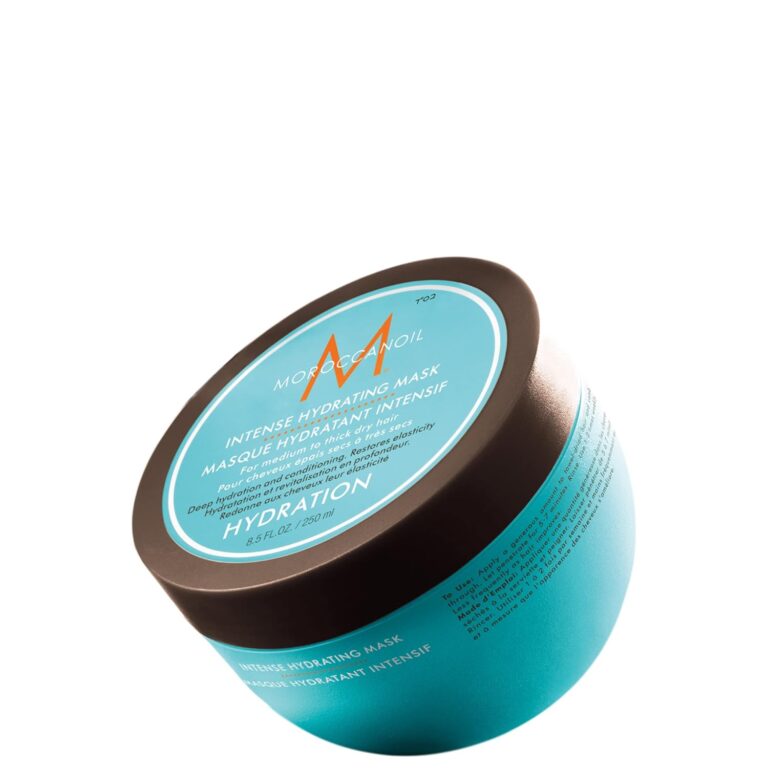
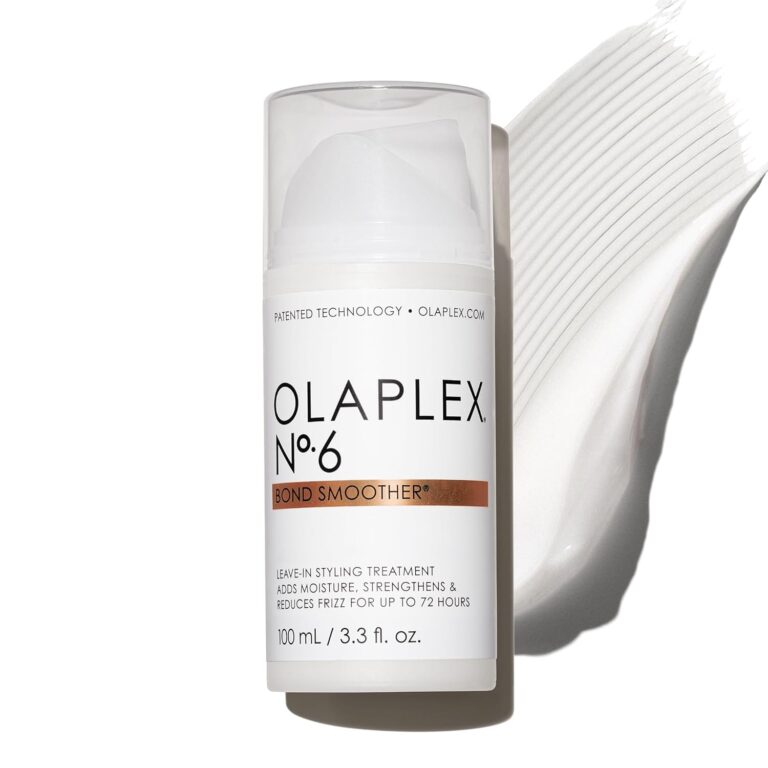
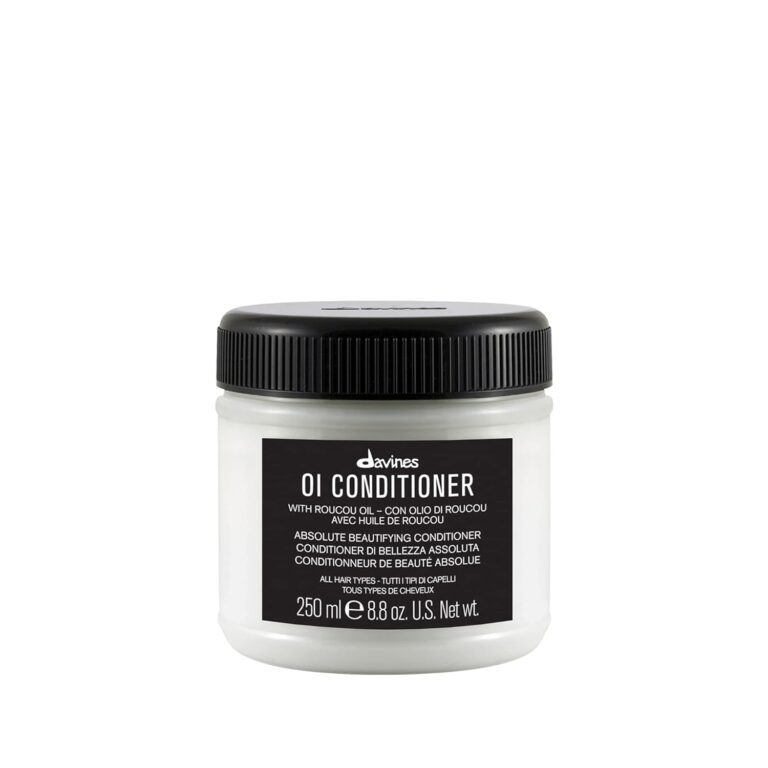
Using a nourishing hair mask once a week boosts moisture and smoothness. A simple and effective DIY mask is a mix of egg and yogurt (curd), which adds shine and strengthens strands. Apply the mask on slightly damp, freshly washed hair. Spread it evenly with a comb and leave it on for 20 minutes before rinsing with cool water. Consistent weekly masking leaves hair softer, smoother, and more manageable.
Heat Protection and Styling Care
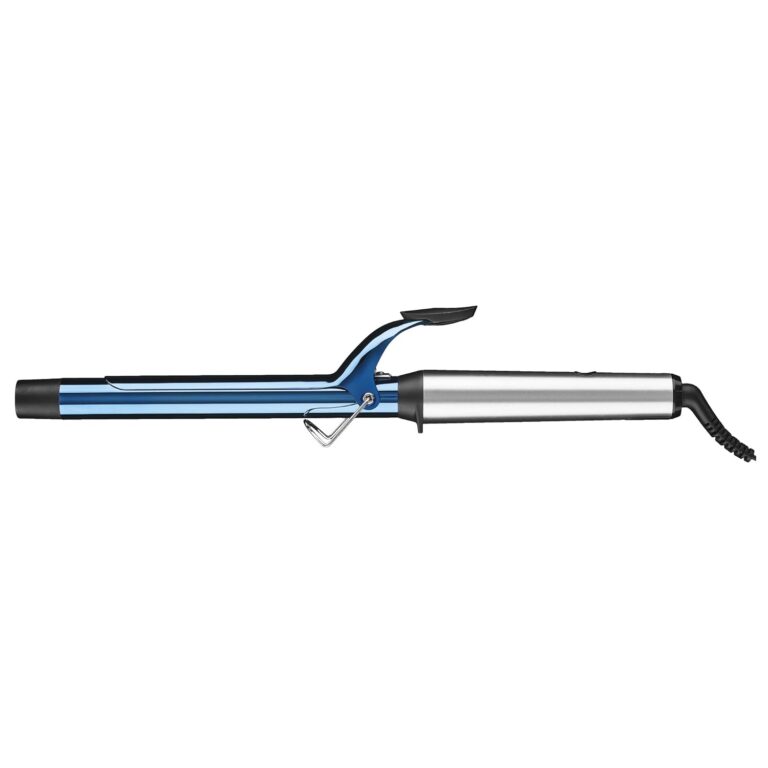
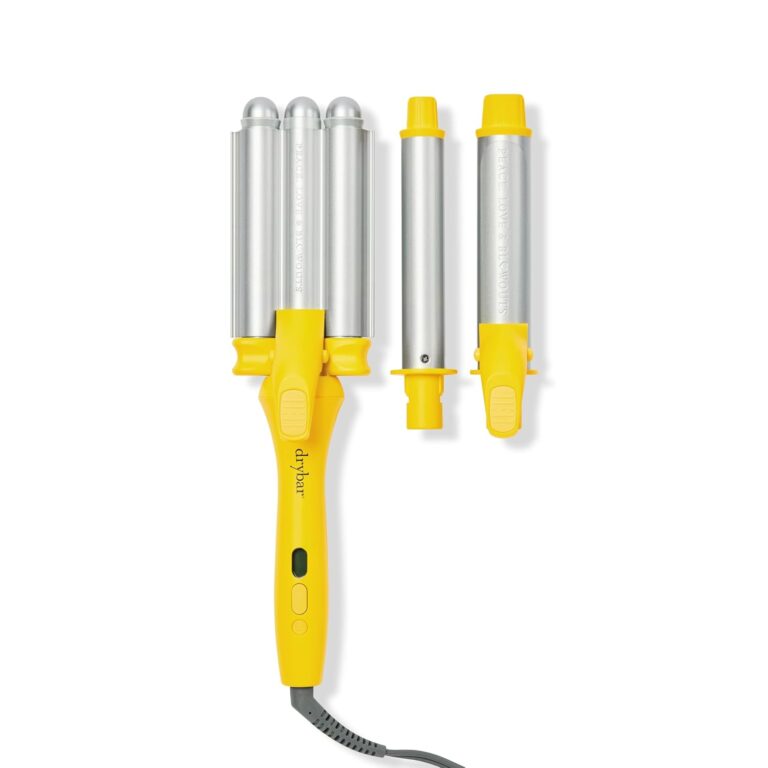
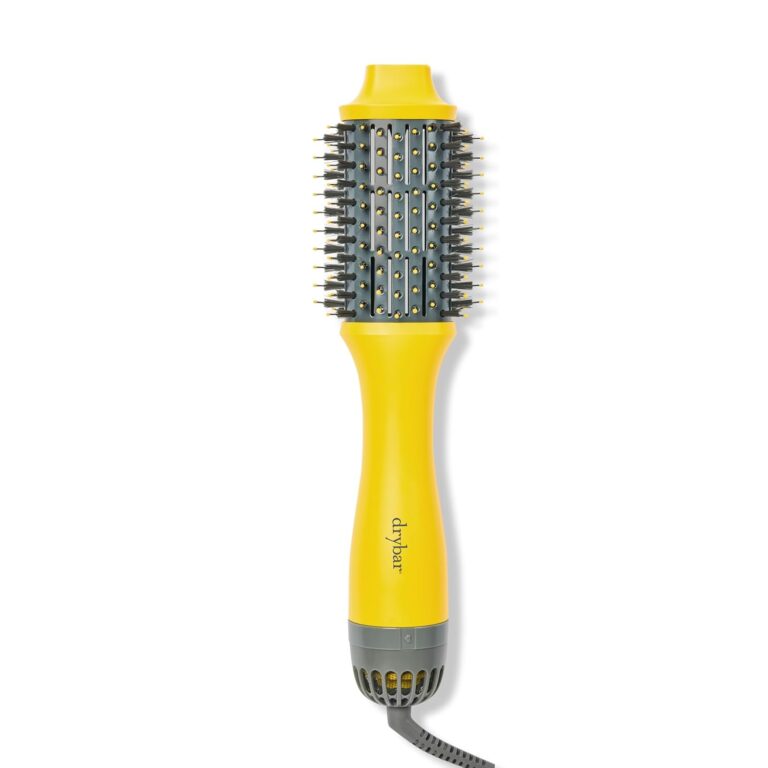
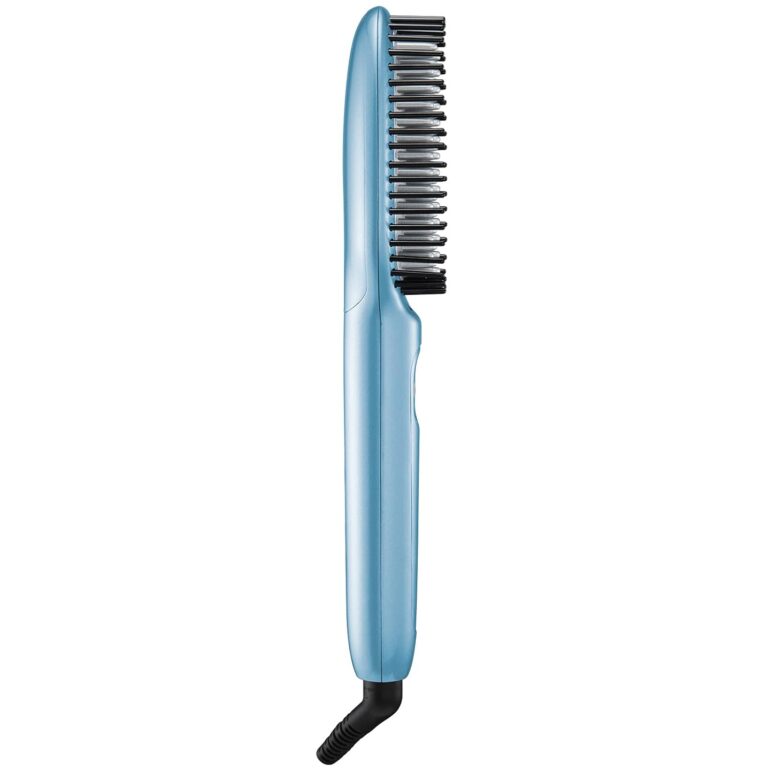
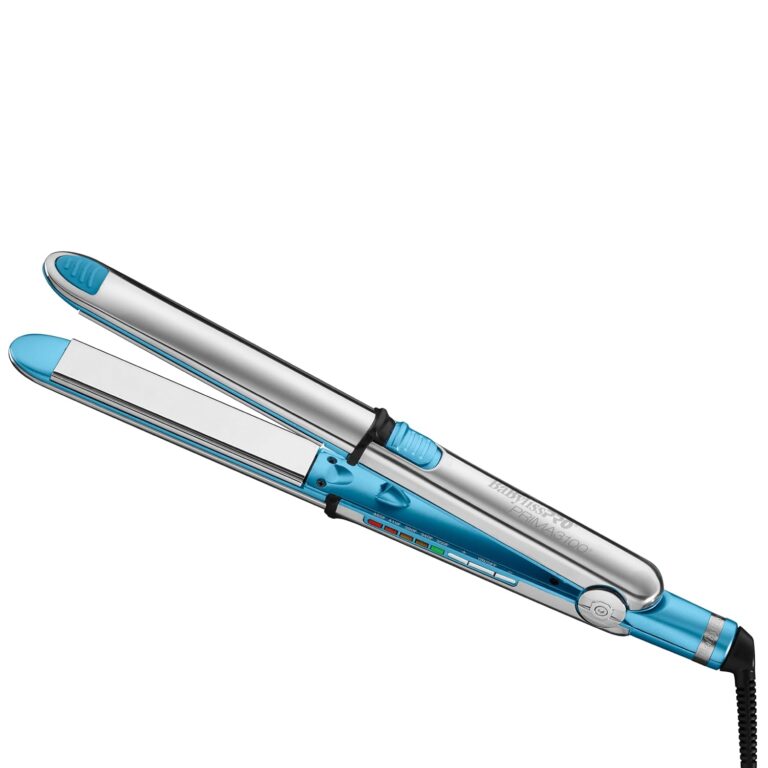
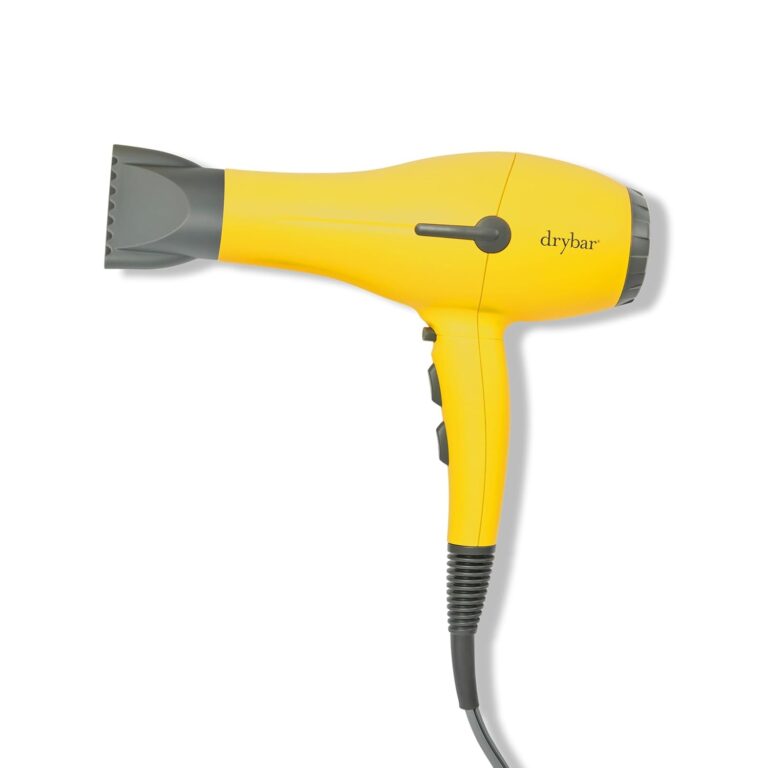
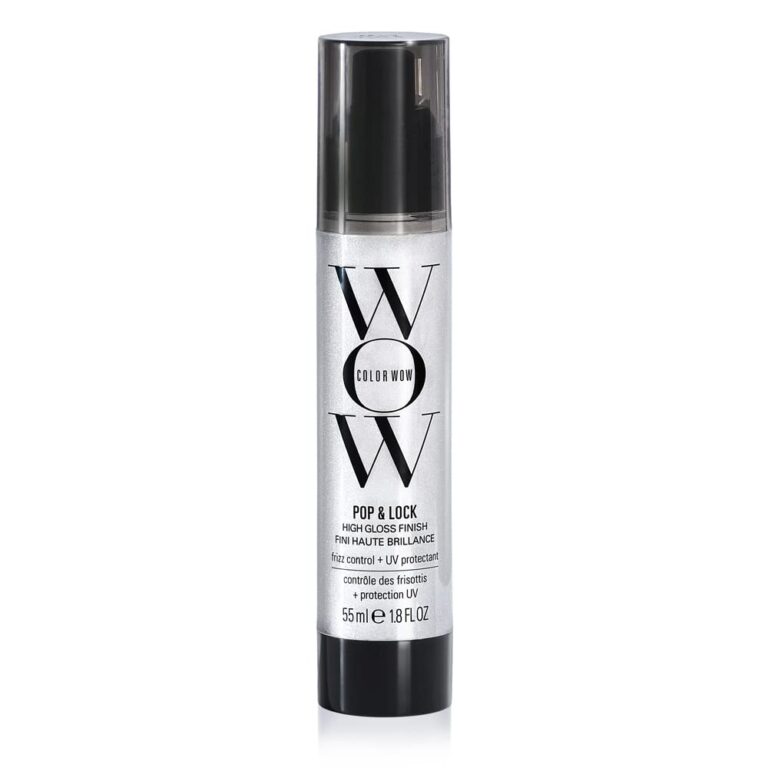
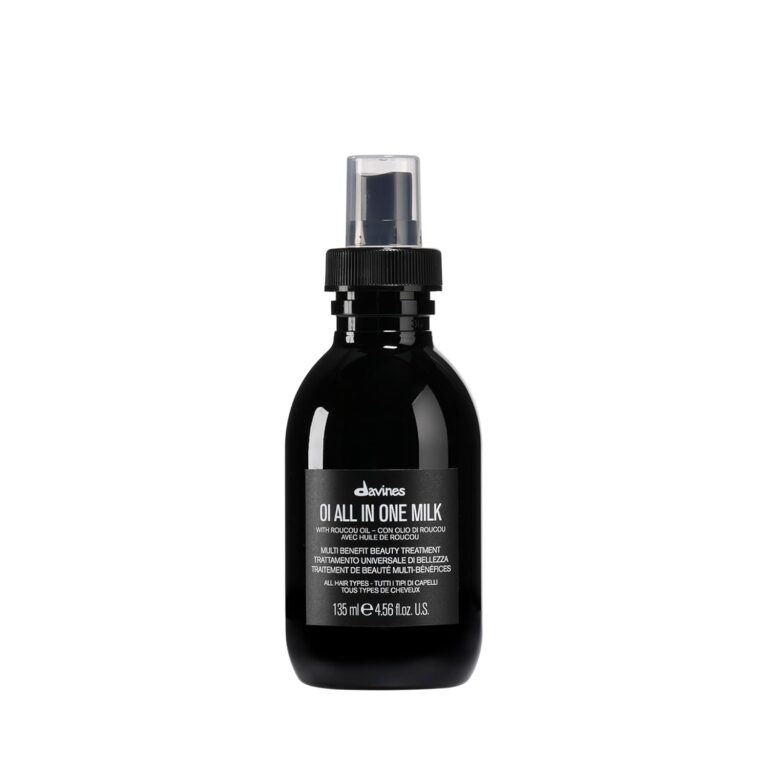
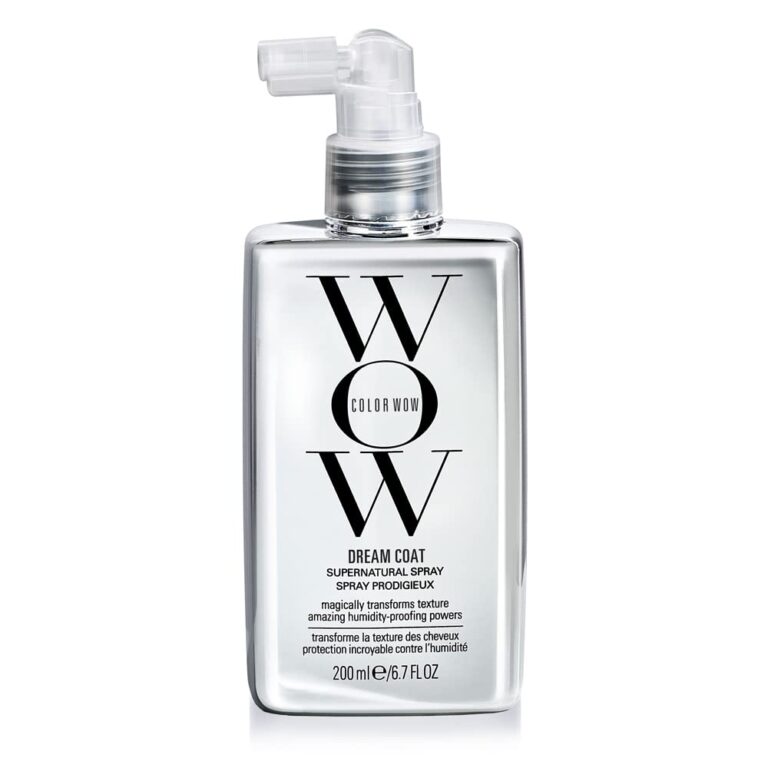
When using styling tools like curling irons, straighteners, or blow dryers, heat protection is essential. Always apply a heat protectant spray before styling to prevent burning, dryness, and breakage. Spray it evenly along the lengths—avoid applying it directly to the roots to prevent greasiness.
Allow the spray to dry before using any heated tool. Using tools on wet protectant can cause sizzling and serious damage. For safer styling:
- Use low-heat settings
- Avoid daily heat use
- Allow hair to air-dry whenever possible
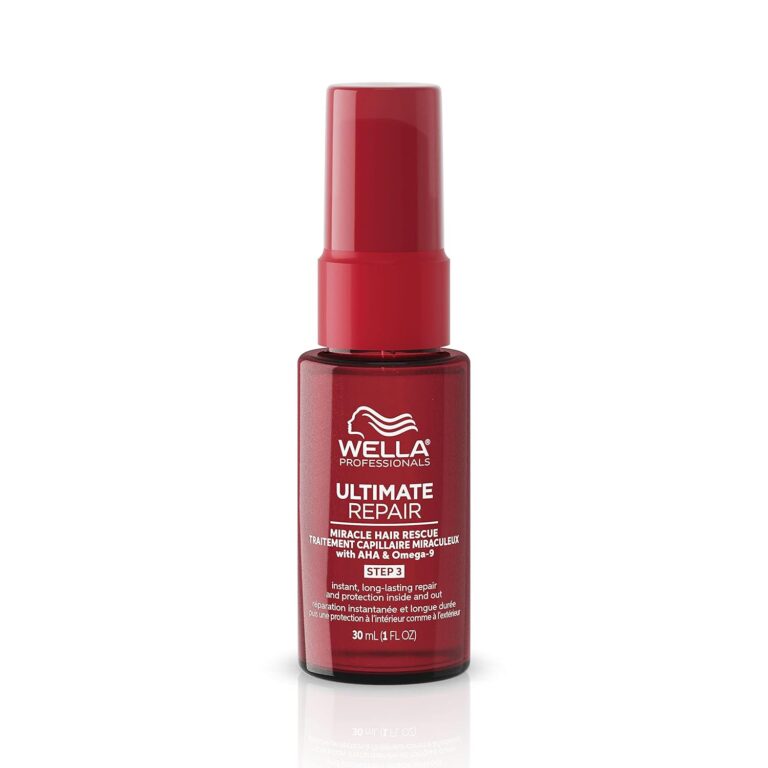
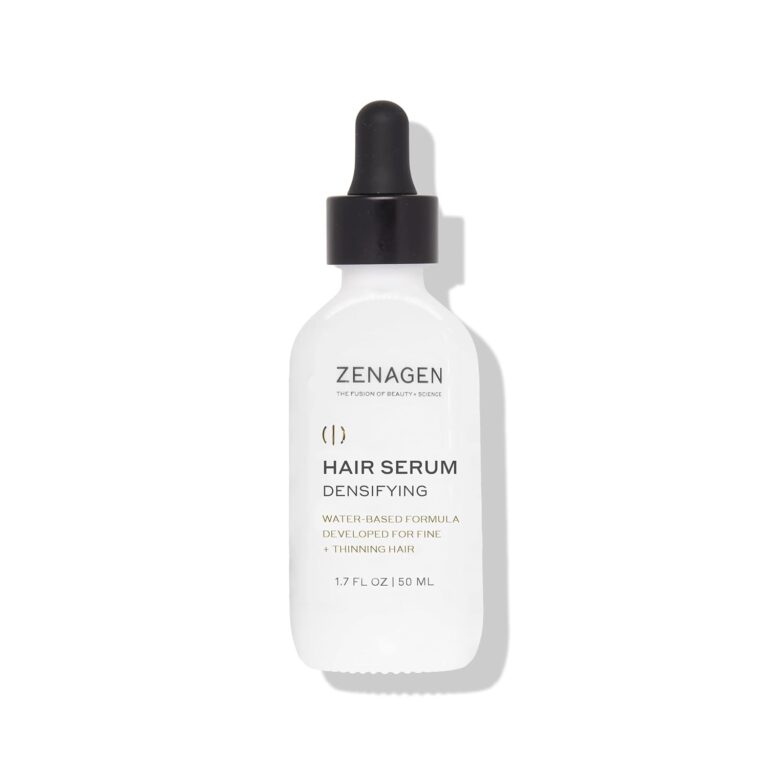
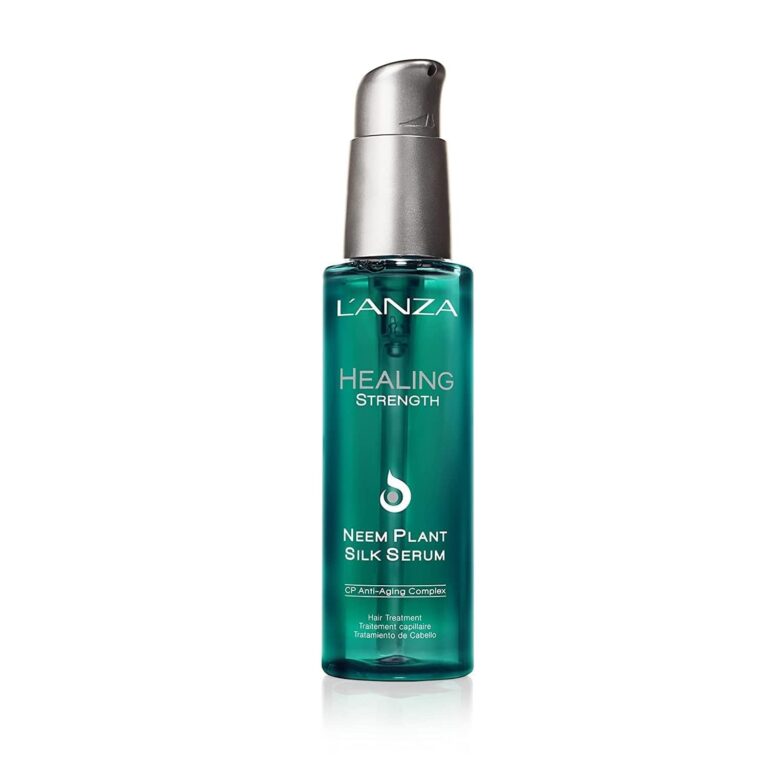
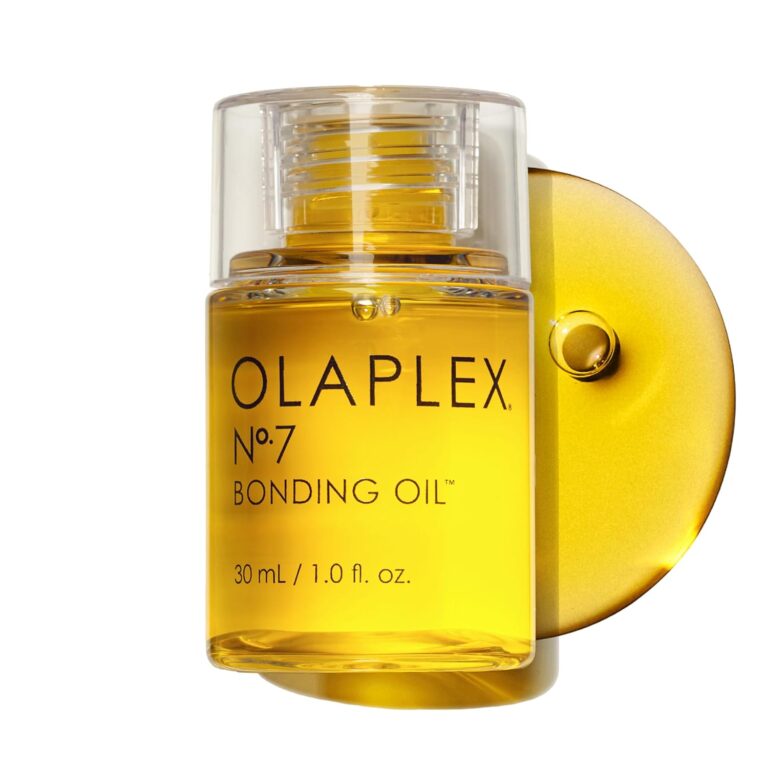
A lightweight serum after styling adds shine, controls frizz, and gives a polished finish without weighing down the hair.
Hair Dye and Styling Product Tips
Harsh dyes and chemical bleaches can make hair weak, dry, and prone to breakage. If you enjoy coloring your hair, choose lighter, gentle tones that are less damaging. Avoid frequent dyeing, as this weakens the strands over time.
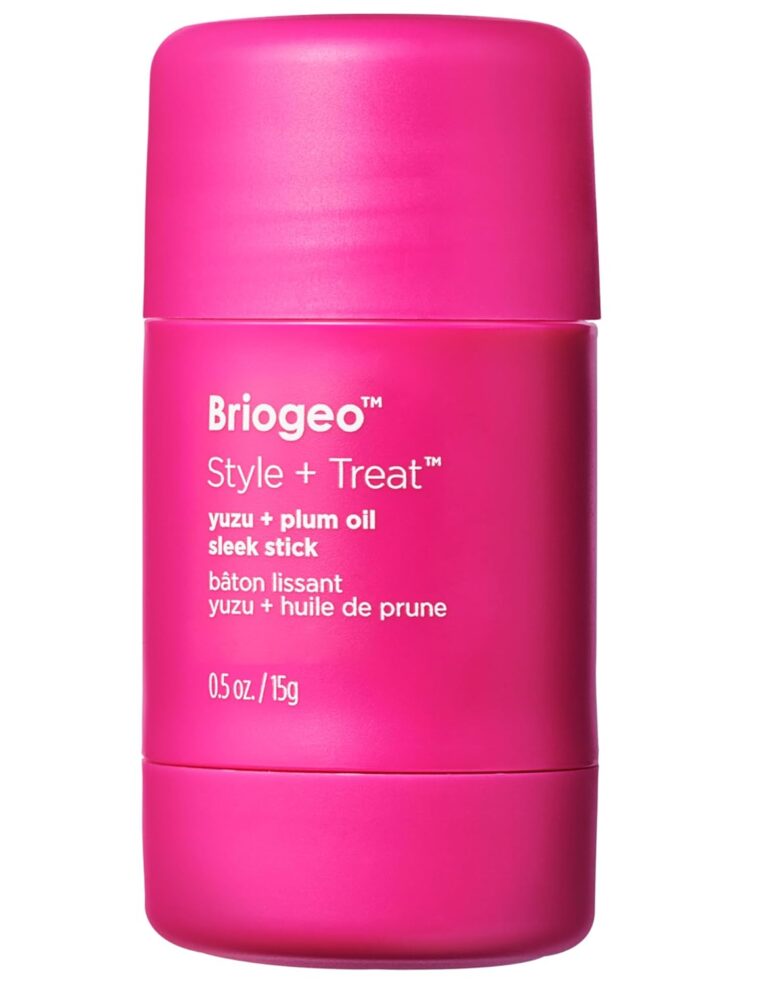
Instead of heavy gels and sprays, opt for water-based gels or soft-hold styling creams. They help maintain a natural, fresh look while preserving hair health. Using fewer styling products lets the hair breathe and enhances its natural shine.
Diet and Sleep for Healthy Hair
Hair care is not limited to oils and shampoos—your lifestyle plays a major role in how healthy your hair is. A balanced diet rich in nuts, whole grains, eggs, fruits, and vegetables provides essential nutrients like protein, zinc, iron, and vitamins that nourish the scalp and support growth.
Good sleep is equally important. Lack of sleep increases stress, which often leads to hair fall, dullness, and slower growth. Sleeping on a silk pillowcase reduces friction, prevents frizz, and protects hair from breakage. Avoid junk food and oily meals, as they can contribute to scalp issues and weaken hair quality.
Conclusion
A healthy hair care routine doesn’t require expensive products or complex steps. With simple habits like smart washing, weekly oiling, consistent masking, and heat protection, you can maintain clean, shiny, and strong hair. Supporting your routine with proper nutrition, hydration, and restful sleep will further strengthen the roots and improve overall hair health. A stress-free lifestyle and gentle daily practices help preserve natural shine and promote long-term growth.
Frequently Asked Questions
Do we need to wash our hair every day?
No. Daily washing can make hair dry and brittle. People with oily scalp can wash 3 times a week, while those with dry scalp should wash 2 times a week.
What shampoo should beginners use?
A sulfate-free, gentle shampoo is best for beginners. It cleans without stripping natural oils and reduces the risk of breakage.
When is the best time to apply oil?
Apply warm oil before washing your hair. Massage gently, leave it on for 30 minutes, and then wash with a mild shampoo.
How often should a hair mask be applied?
Once a week is enough. Apply after washing on damp hair and leave it for 20 minutes before rinsing with cool water.
What should be kept in mind when using styling tools?
Always apply a heat protectant spray, use low heat, avoid daily styling, and prefer air-drying whenever possible.
Do diet and sleep affect hair growth?
Yes. A nutrient-rich diet and proper sleep improve circulation, reduce hair fall, and promote faster, healthier growth.
https://www.profitableratecpm.com/hjxh6b80?key=9e65c3e44b1d7af1b5715b31bced7922