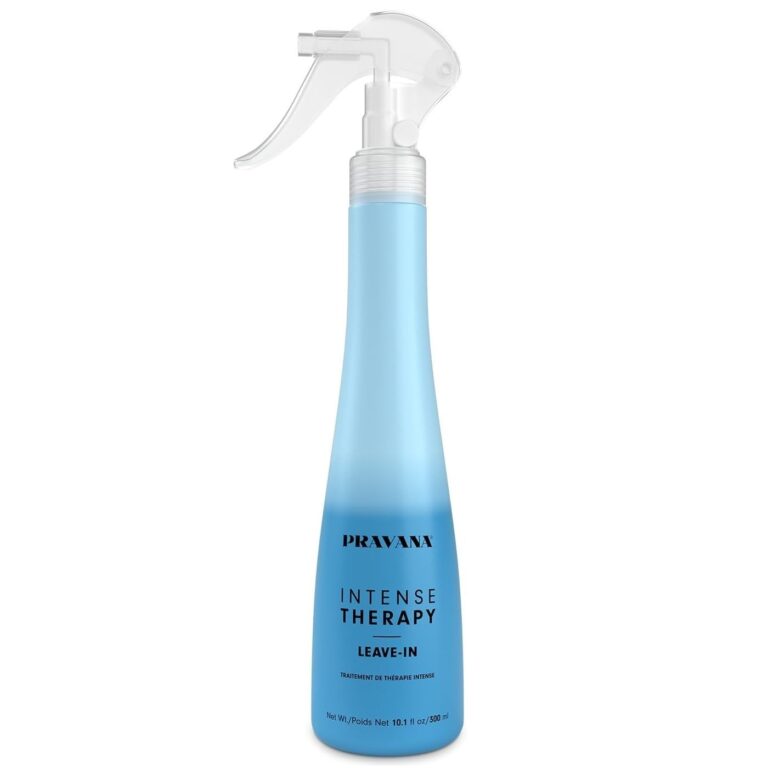
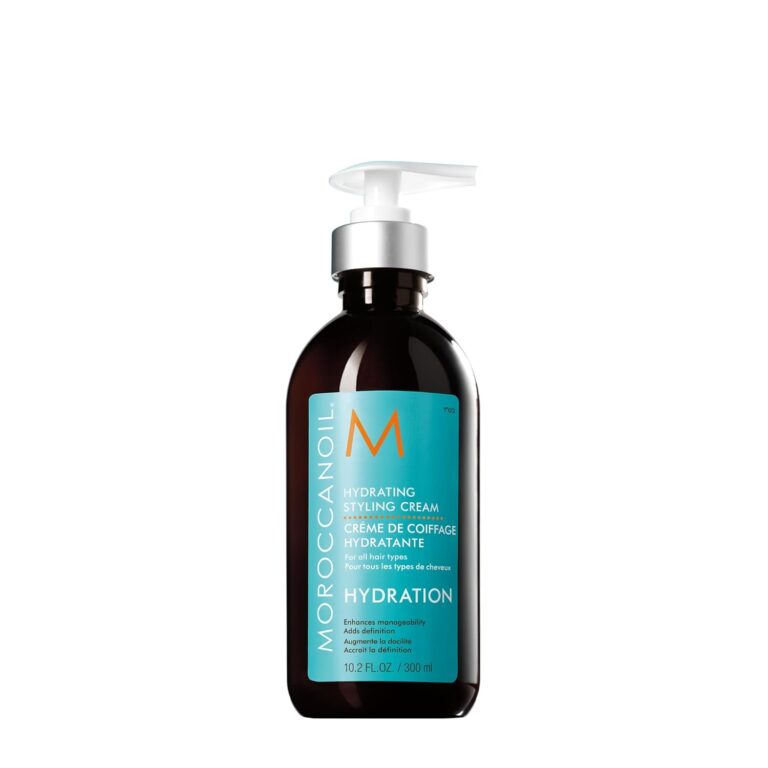
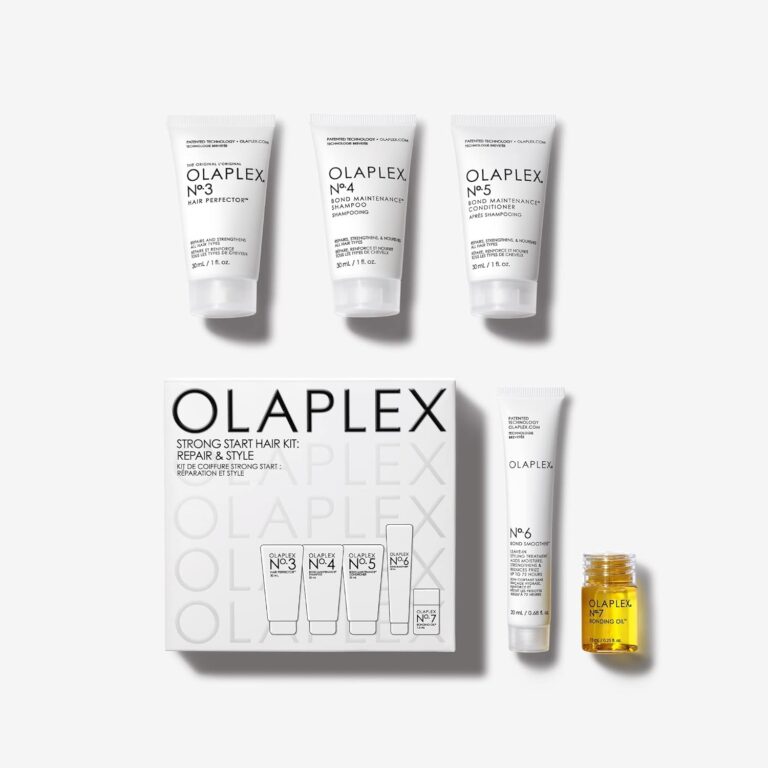
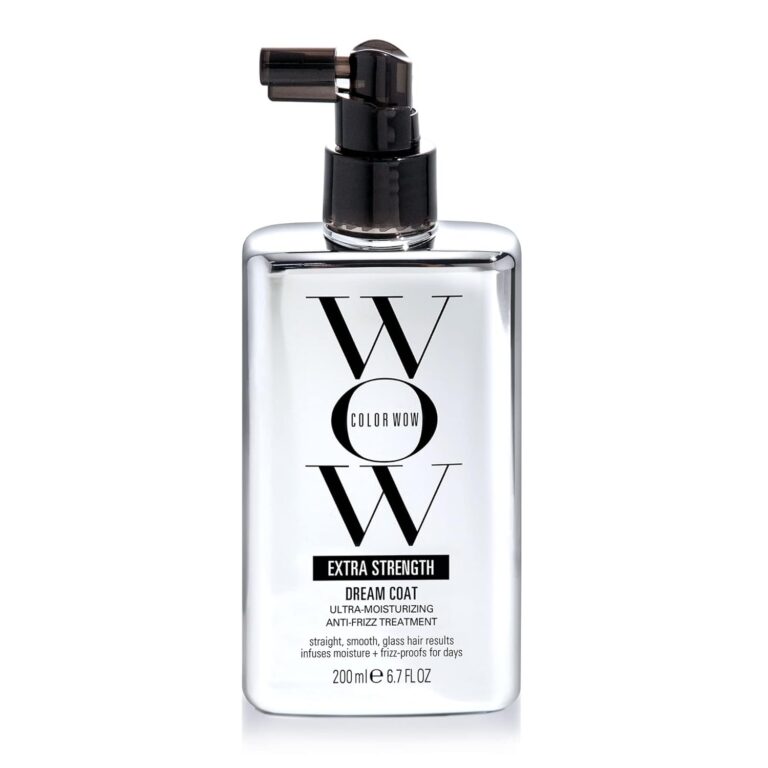
If you have low porosity hair, you might have noticed a frustrating pattern: no matter how much conditioner or moisturizer you use, your hair still feels dry. You may wonder, “Why is my low porosity hair always dry?” or “Can low porosity hair dry fast?” The answer lies in the unique structure of low porosity hair, which affects how it absorbs and retains moisture. In this guide, we’ll explore why low porosity hair feels dry, the common causes of dryness, and the best natural ways to moisturize low porosity hair.
Understanding Low Porosity Hair
Low porosity hair has a tightly bound cuticle layer, which makes it resistant to moisture penetration. Unlike high porosity hair, where the cuticles are lifted or damaged, low porosity hair’s smooth, flat cuticles make it difficult for water and oils to enter.
This structure is why even after moisturizing, low porosity hair often feels dry or stiff, because the moisture sits on the hair surface instead of being absorbed into the shaft.
Dry Low Porosity Hair: Causes
Before addressing solutions, it’s important to understand the reasons behind dry low porosity hair. Some common causes include:
1. Hair Not Absorbing Moisture
The most common issue is that low porosity hair doesn’t absorb moisture easily. Products often sit on top of the hair rather than penetrating the cuticle, which can make hair feel sticky, greasy, or still dry after application.
2. Product Build-up
Because low porosity hair has tightly closed cuticles, it’s prone to product build-up. Heavy creams, butters, and silicones can coat the hair, preventing water and nutrients from entering. This creates a cycle where hair appears dry even though it seems “moisturized.”
3. Inadequate Heat During Moisturizing
Heat opens the hair cuticle slightly, making it easier for water and oils to penetrate. Without using some form of warm water or gentle heat, moisturizers often fail to soak in, leaving hair dry.
4. Overuse of Protein Treatments
While proteins can strengthen hair, low porosity hair already has a strong protein structure. Excessive protein treatments can make hair stiff, dry, and brittle, contributing to why low porosity hair is always dry.
5. Environmental Factors
Dry climates, sun exposure, and wind can strip moisture from hair. Low porosity hair, with its difficulty absorbing moisture, is especially vulnerable to external dryness.
Can Low Porosity Hair Dry Fast?
Yes, low porosity hair can dry fast, but in an unusual way. Unlike porous hair that loses moisture quickly because it’s not retained, low porosity hair can feel dry even if it hasn’t truly lost moisture. This is because the water or moisturizer isn’t penetrating deep enough into the hair shaft.
So, the hair might look hydrated but still feel dry, leading to frustration for many with low porosity hair.
How to Keep Low Porosity Hair Moisturized
Maintaining hydration in low porosity hair requires a combination of proper products, techniques, and care habits. Here are the most effective strategies:
1. Pre-Poo With Oils
Before washing, apply a light oil (like coconut, jojoba, or argan oil) to your hair. This creates a barrier that protects hair from excessive water loss during washing and allows for deeper conditioning later.
Tip: Avoid heavy oils like castor oil at this stage, as they can weigh hair down and contribute to build-up.
2. Use Warm Water or Steam
Because low porosity hair has tight cuticles, warm water or steam helps open them, allowing moisture to penetrate. You can:
-
Rinse hair with warm water before applying conditioner.
-
Use a steaming cap or hot towel during deep conditioning sessions.
-
Sit in a humid environment while moisturizing.
3. Choose the Right Moisturizers
Lightweight, water-based moisturizers are ideal for low porosity hair. Ingredients like aloe vera, glycerin, and honey penetrate more easily than thick butters.
Avoid heavy creams that sit on top of the hair shaft, as they contribute to low porosity hair not absorbing moisture.
4. Incorporate Humectants
Humectants attract moisture to the hair. Glycerin and honey are excellent natural options. Make sure to use them in moderate amounts, as high humidity can cause hair to become frizzy, while low humidity may draw moisture out.
5. Deep Condition Regularly
Deep conditioning is essential for keeping low porosity hair moisturized. Choose products with lightweight oils and avoid protein-heavy masks unless your hair is feeling weak.
Tip: Apply deep conditioner after washing and use gentle heat for 15–30 minutes to maximize absorption.
6. Avoid Protein Overload
While protein treatments can be beneficial for damaged hair, low porosity hair already has sufficient protein. Too much protein makes it feel hard and dry. Focus more on moisturizing treatments rather than strengthening treatments.
7. Use the LOC/LCO Method
The LOC (Liquid, Oil, Cream) or LCO (Liquid, Cream, Oil) method helps trap moisture in low porosity hair. Here’s a simple breakdown:
-
Liquid: Water or water-based leave-in conditioner
-
Oil: Light oil like argan or jojoba
-
Cream: Lightweight, non-heavy cream
Tip: For low porosity hair, try LCO, putting the cream before the oil to prevent heaviness and improve absorption.
8. Clarify Hair Occasionally
Because low porosity hair is prone to build-up, a gentle clarifying shampoo or apple cider vinegar rinse once a month helps remove residues, allowing moisturizers to penetrate better.
Best Natural Ways to Moisturize Low Porosity Hair
If you prefer natural methods, there are several effective strategies for keeping your hair hydrated:
-
Aloe Vera Gel: Lightweight and penetrative, aloe vera adds moisture without heaviness. Mix with a few drops of jojoba oil for enhanced hydration.
-
Honey Water: Honey is a natural humectant. Dilute it in water and use as a pre-poo or a leave-in spray.
-
Light Oils: Argan, jojoba, or grapeseed oil are excellent for sealing moisture without causing buildup.
-
Herbal Infusions: Green tea or chamomile water can be used as a rinse for lightweight hydration and scalp health.
-
Shea Butter (Whipped Lightly): While heavy shea butter can weigh down low porosity hair, whipped shea butter or shea butter mixed with lighter oils can provide natural moisturization.
Low Porosity Hair Moisture Tips
Here are some extra tips for keeping dry low porosity hair moisturized:
-
Avoid heavy products like thick butters or waxes; they sit on the surface and prevent absorption.
-
Warm your hair during deep conditioning to open cuticles.
-
Spritz hair throughout the week with water or aloe vera juice to maintain moisture.
-
Trim regularly to remove split ends and prevent dryness from traveling up the hair shaft.
-
Protect hair at night with a silk or satin scarf or pillowcase to reduce friction and moisture loss.
Common Mistakes That Keep Low Porosity Hair Dry
Even with careful care, some practices can keep your hair dry and unmanageable:
-
Skipping heat for deep conditioning
-
Using too many silicones and heavy oils
-
Relying on protein treatments too often
-
Not clarifying hair regularly
Correcting these mistakes can significantly improve low porosity hair moisture retention.
Conclusion
Understanding why low porosity hair feels dry is the first step toward maintaining healthy, hydrated hair. The key is penetrating the tightly bound cuticles with lightweight, water-based products, occasional heat, and consistent hydration routines.
By following the tips above—such as pre-pooing with oils, using warm water, deep conditioning regularly, and employing natural moisturizers—you can finally keep low porosity hair moisturized and eliminate the frustration of hair that looks hydrated but feels dry.
With patience and proper techniques, you’ll see your low porosity hair transform from dry and stiff to soft, manageable, and healthy. Remember: the goal isn’t just applying moisturizer; it’s ensuring your hair actually absorbs it.
https://www.profitableratecpm.com/hjxh6b80?key=9e65c3e44b1d7af1b5715b31bced7922