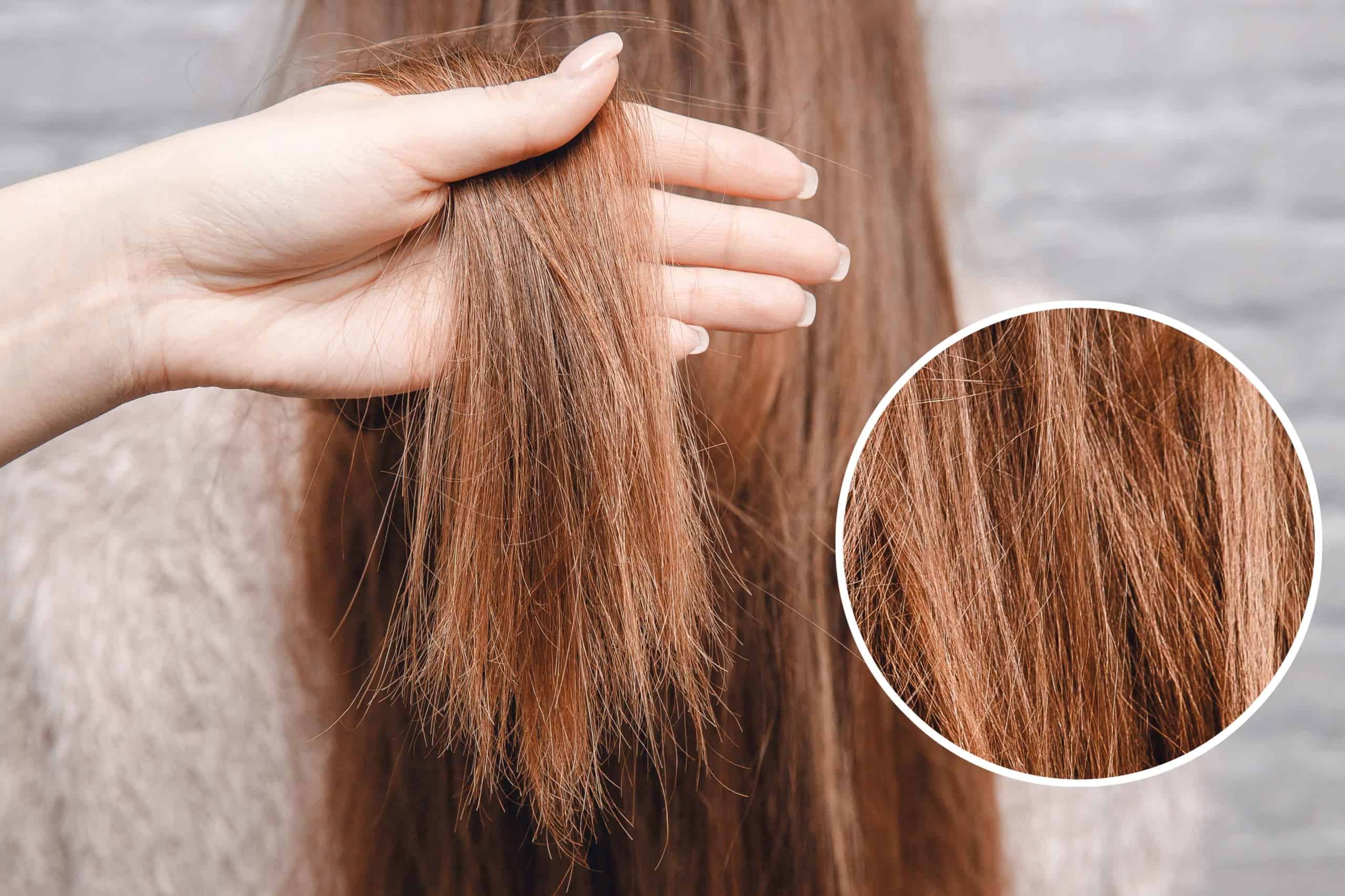
We all want strong, vibrant hair, but achieving it requires more than just luck. Environmental stressors, chemical treatments, and daily styling often leave our strands looking dull and lifeless. If you are struggling with breakage and wondering how to repair damaged hair while promoting new growth, you need a strategic approach.
Healthy hair starts with consistent habits. By addressing your scalp health, refining your nutritional intake, and choosing the right protective measures, you can transform your hair from the roots down. This guide outlines ten proven strategies to help you achieve the strong, healthy hair you deserve.
1. Prioritize Scalp Health
Your scalp is the foundation of your hair. If the soil is not healthy, the plant cannot thrive. A congested, dry, or inflamed scalp blocks hair follicles and slows down growth.
Exfoliation and Massage
Just like your face, your scalp needs regular exfoliation to remove dead skin cells and product buildup. Use a gentle scalp scrub once a week to keep the follicles clear. Pair this with a daily scalp massage. Massaging your scalp for five minutes a day stimulates blood flow, delivering essential oxygen and nutrients to the hair roots. You can use your fingertips or a silicone scalp massager to gently work in circular motions.
2. Nourish from the Inside Out
Topical treatments only go so far. Your diet plays a massive role in how fast and how healthy your hair grows. Hair is primarily made of a protein called keratin, making your nutritional choices critical for structural integrity.
Essential Vitamins and Hydration
Make sure your diet includes plenty of high-quality proteins, healthy fats, and vitamins. Omega-3 fatty acids, found in salmon and walnuts, keep your hair hydrated. Biotin, iron, and vitamins A, C, and E are also crucial for cellular repair and growth. Additionally, drink plenty of water. Dehydration shows up quickly in your hair, making it brittle and prone to snapping. Drink at least eight glasses of water daily to maintain internal hydration.
3. Master the Art of Heat Protection
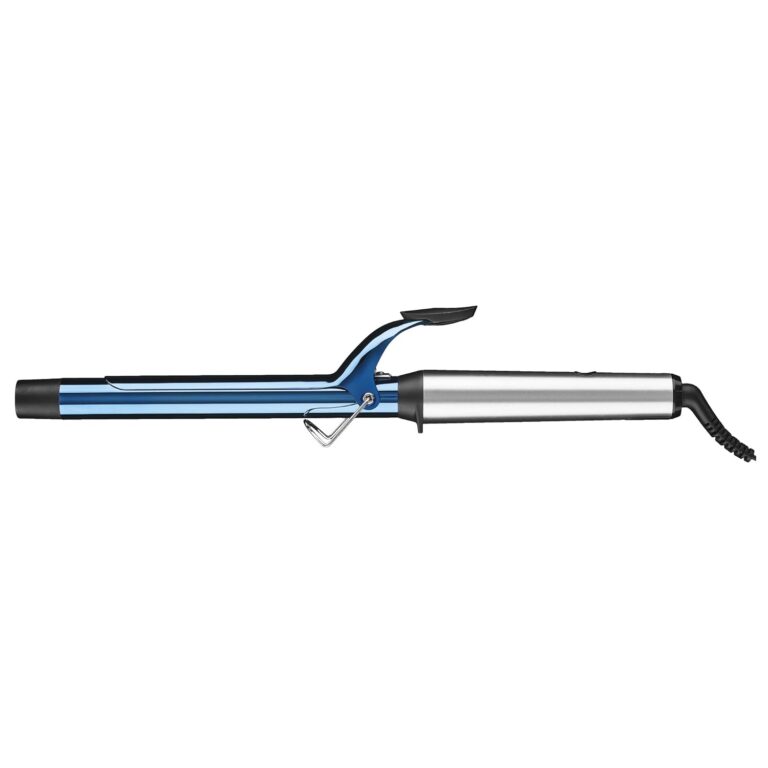
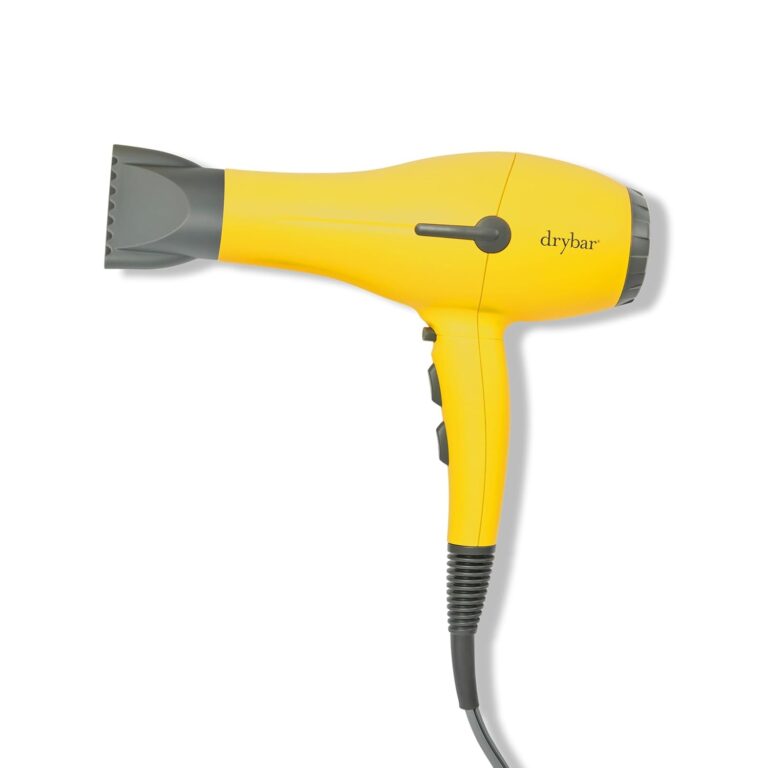
Frequent use of flat irons, curling wands, and blow dryers strips moisture from your strands and breaks down protein bonds. If you want to know how to repair damaged hair, reducing heat is one of your first steps.
Safe Styling Practices
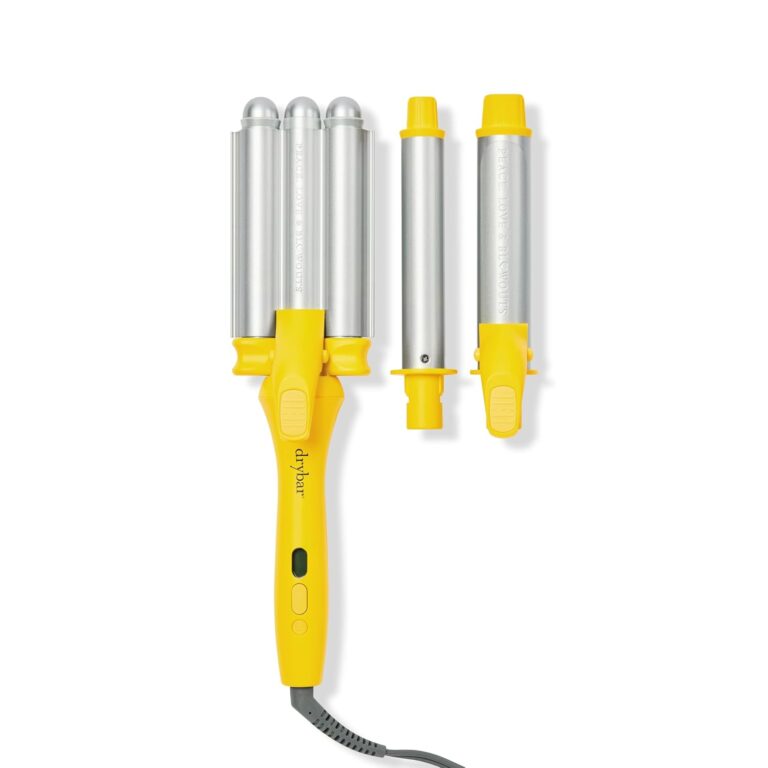
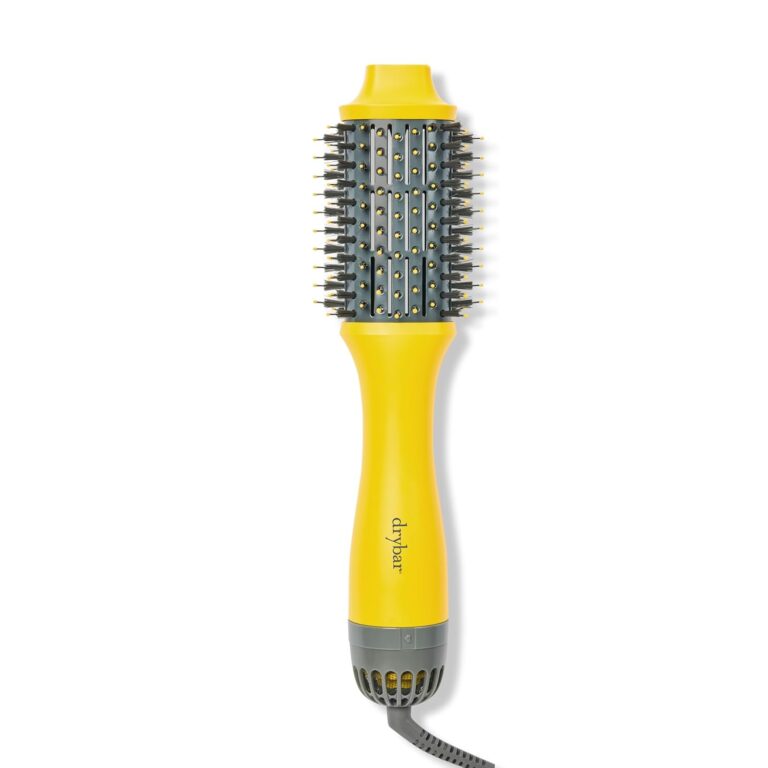
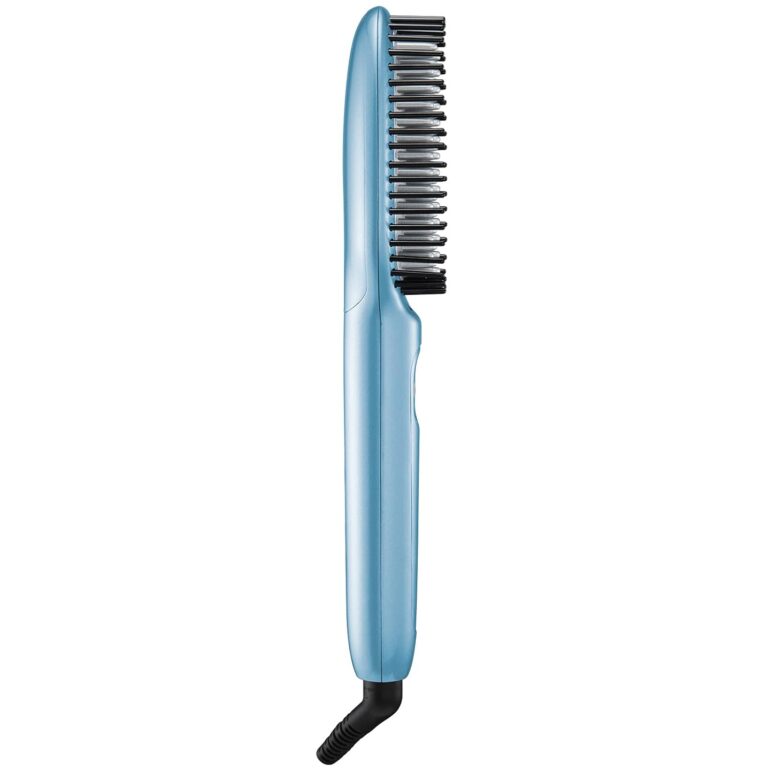
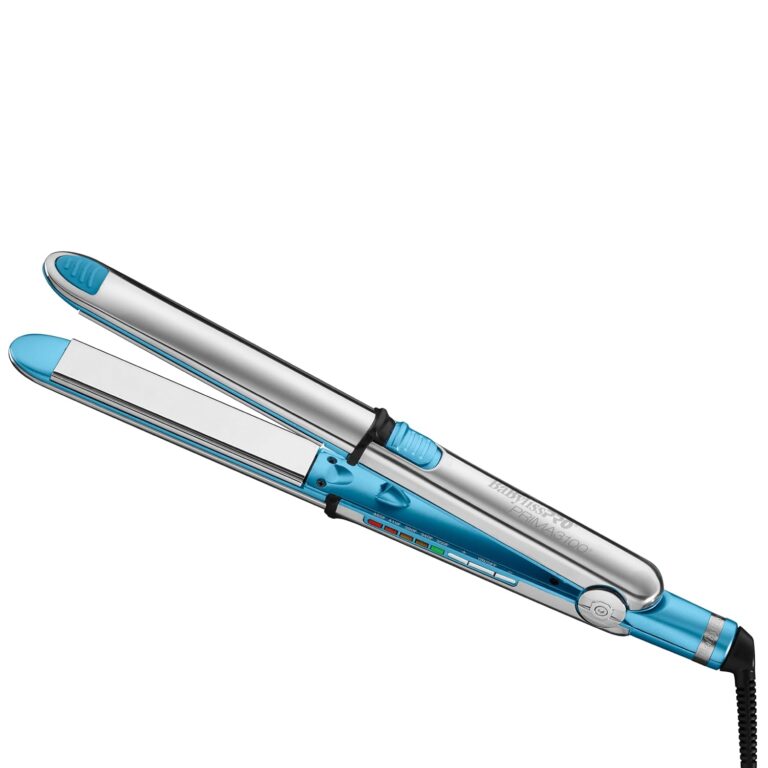
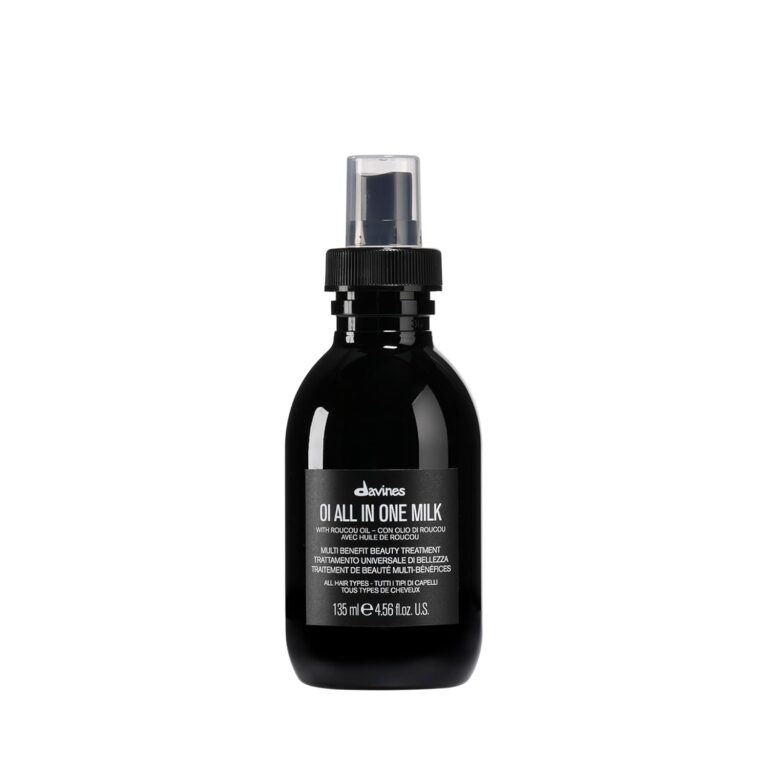
Always apply a high-quality thermal protectant before using any hot tools. These sprays and creams create a protective barrier that minimizes moisture loss. Furthermore, dial down the temperature. Most hair types do not need tools set above 300 to 350 degrees Fahrenheit. Whenever possible, let your hair air dry partially before going in with a blow dryer, and embrace heatless styling methods like braiding damp hair overnight.
4. Choose the Right Products for Your Hair Type
Not all shampoos and conditioners are created equal. Using heavy products on fine hair weighs it down, while using lightweight lotions on thick, curly hair leaves it parched.
Ingredients to Embrace and Avoid
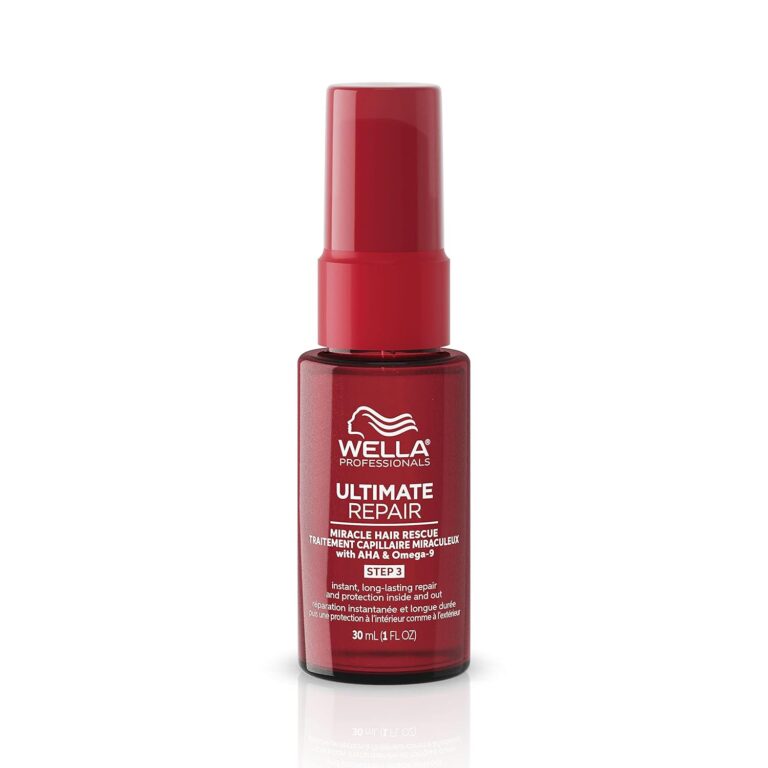
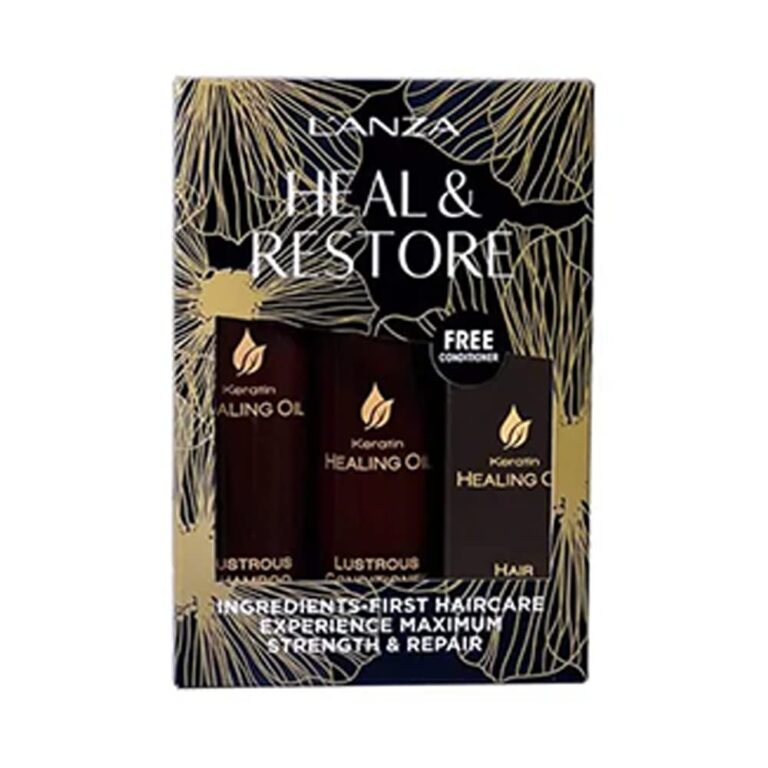
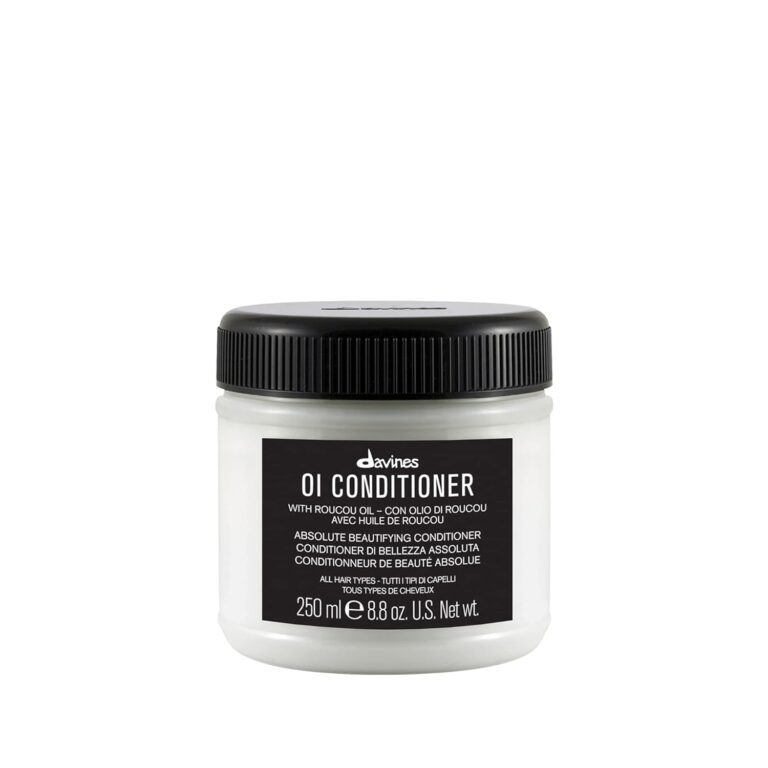
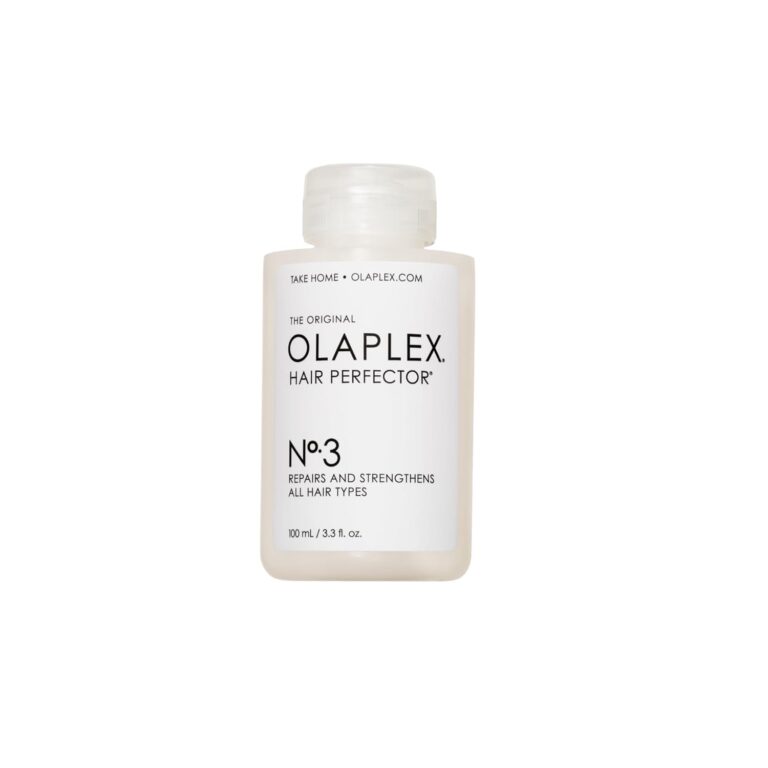
Identify your hair’s specific needs—whether it is moisture, protein, or volume—and shop accordingly. Avoid products packed with harsh sulfates, which strip away natural oils and leave your hair vulnerable to breakage. Instead, look for hydrating ingredients like argan oil, shea butter, and aloe vera. If you have significant breakage, incorporate products featuring keratin and amino acids to help rebuild the hair shaft.
5. Regular Trims Are Non-Negotiable
It sounds counterintuitive to cut your hair when you want it to grow, but regular trims are essential. As your hair grows, the oldest parts at the bottom experience the most wear and tear.
When ends split, the damage does not stop there. The split can travel up the hair shaft, causing breakage higher up and making your hair appear thinner and shorter over time. Trimming a quarter to half an inch every eight to twelve weeks keeps the ends clean and prevents structural damage from spreading.
6. Be Gentle with Wet Hair
Hair is at its weakest and most elastic when it is wet. Aggressive brushing or aggressive towel drying leads to immediate stretching and snapping.
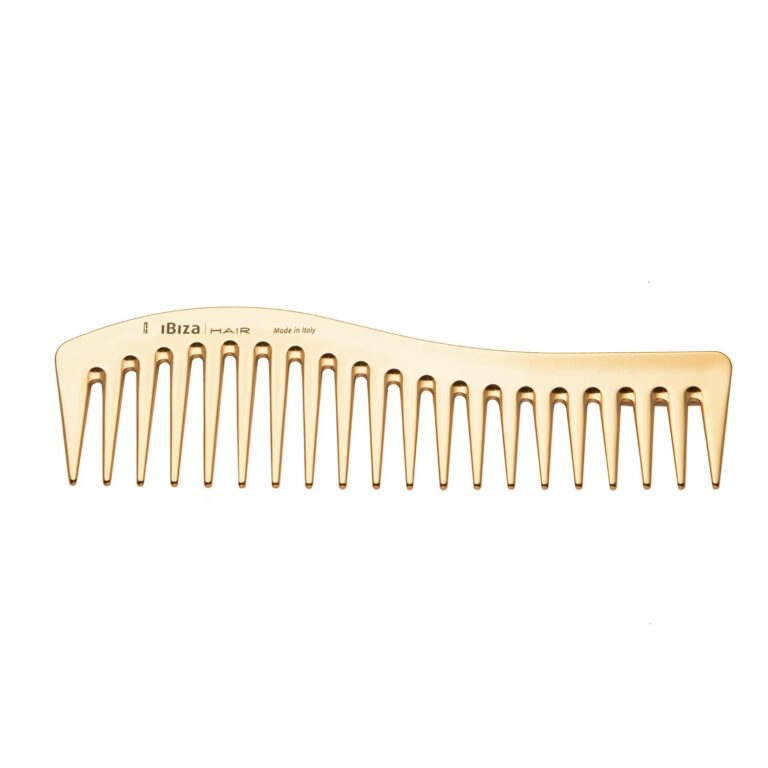
Instead of rubbing your hair with a rough cotton towel, gently squeeze out excess water using an ultra-soft microfiber towel or a clean cotton t-shirt. Never rip a standard brush through soaking wet hair. Instead, use a wide-tooth comb or a specialized wet brush, starting from the very ends and gently working your way up to the roots to safely detangle knots.
7. Deep Condition Weekly
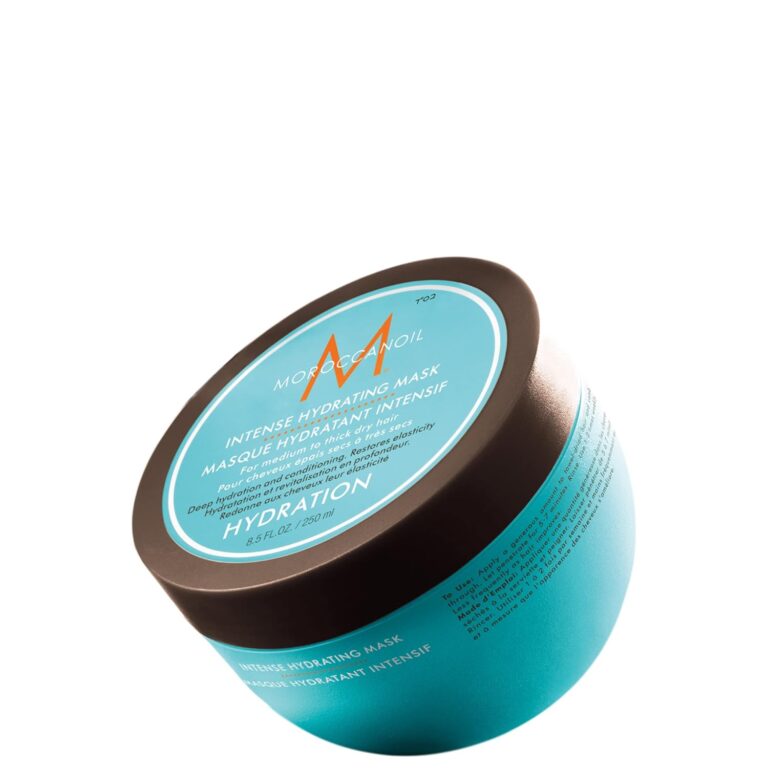
Daily conditioners provide surface-level smoothness, but deep conditioning masks penetrate the cuticle to deliver concentrated moisture and repair.
Rebuilding Moisture and Strength
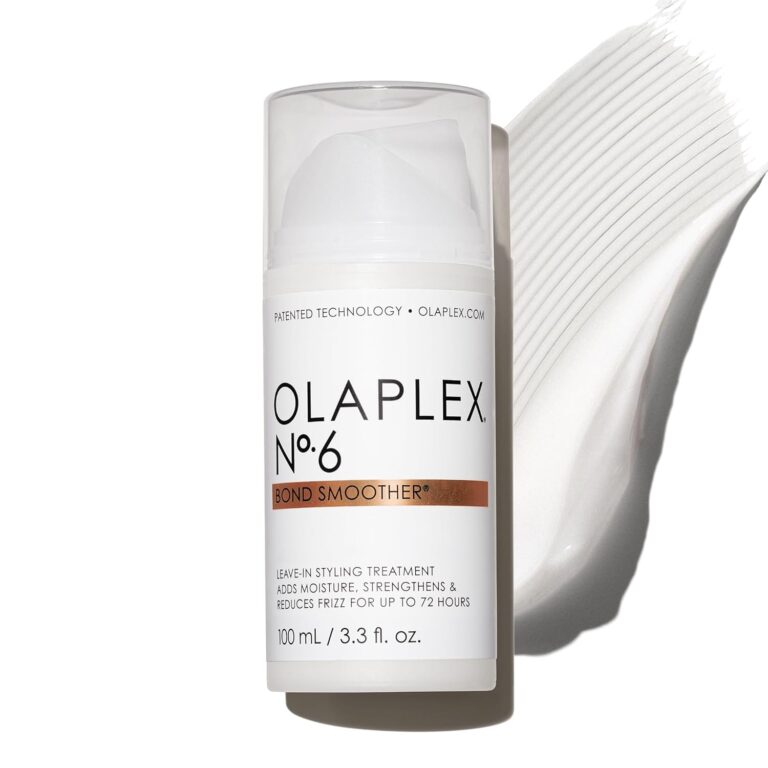
Commit to a weekly hair mask treatment. If your hair feels dry and brittle, choose a moisture-rich mask formulated with hyaluronic acid or glycerin. If your hair feels gummy or stretches easily before breaking, it needs a protein treatment to rebuild its internal structure. Leave the mask on for at least 20 minutes, allowing the ingredients to properly absorb into the hair shaft before rinsing with cool water to seal the cuticle.
8. Protect Hair from Environmental Stressors
The sun, wind, and pollution constantly attack your hair. UV rays break down hair proteins and fade color, while cold wind causes tangles and moisture loss.
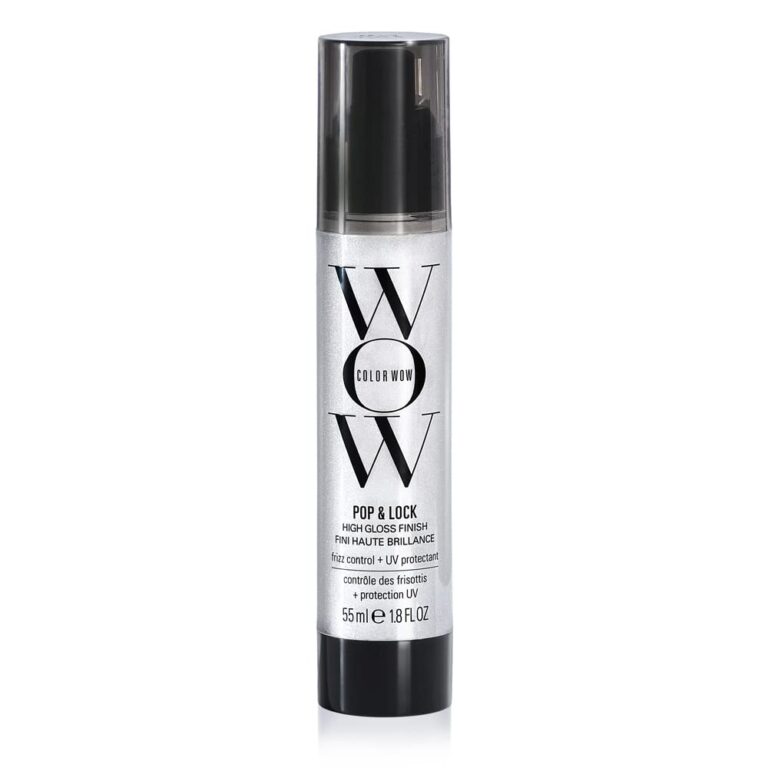
When spending extended time outdoors, wear a hat or apply a UV-protectant hair spray. If you swim in chlorinated pools or the ocean, wet your hair with clean tap water and apply a leave-in conditioner before diving in. This prevents your hair from soaking up damaging chemicals or dehydrating salt water.
9. Sleep on Silk or Satin
Standard cotton pillowcases create intense friction as you toss and turn at night. This friction roughs up the hair cuticle, leading to frizz, tangles, and breakage. Cotton also absorbs natural oils, leaving your hair drier by morning.
Switch to a silk or satin pillowcase. The smooth surface allows your hair to glide effortlessly, minimizing mechanical damage while you sleep. Alternatively, you can protect your hair by wearing a silk bonnet or loosely braiding your hair and securing it with a soft silk scrunchie before bed.
10. Manage Stress Levels
Your physical and mental well-being directly impact your hair growth cycle. Chronic stress pushes hair follicles into a resting phase, causing hairs to fall out simultaneously a few months later.
Incorporate stress-management techniques into your daily routine. Yoga, meditation, deep breathing exercises, and regular physical activity reduce cortisol levels in your body. Getting seven to nine hours of quality sleep each night also gives your body the time it needs to repair cells and regenerate tissues, including your hair follicles.
Conclusion
Healthy hair growth requires a comprehensive approach that combines proper nutrition, gentle handling, and strategic product use. By prioritizing scalp care, minimizing heat and environmental damage, and giving your hair the internal and external nourishment it needs, you can significantly improve its strength and length. Start implementing these ten proven tips today, remain consistent with your routine, and watch your hair transform.
Frequently Asked Questions (FAQs)
How long does hair growth take?
On average, human hair grows about half an inch per month, which translates to roughly six inches per year. However, this rate varies based on genetics, age, health, and dietary habits. Noticeable changes from a new hair care routine typically take three to six months to become visible. Consistency is key when trying to grow out your hair.
Can split ends be repaired?
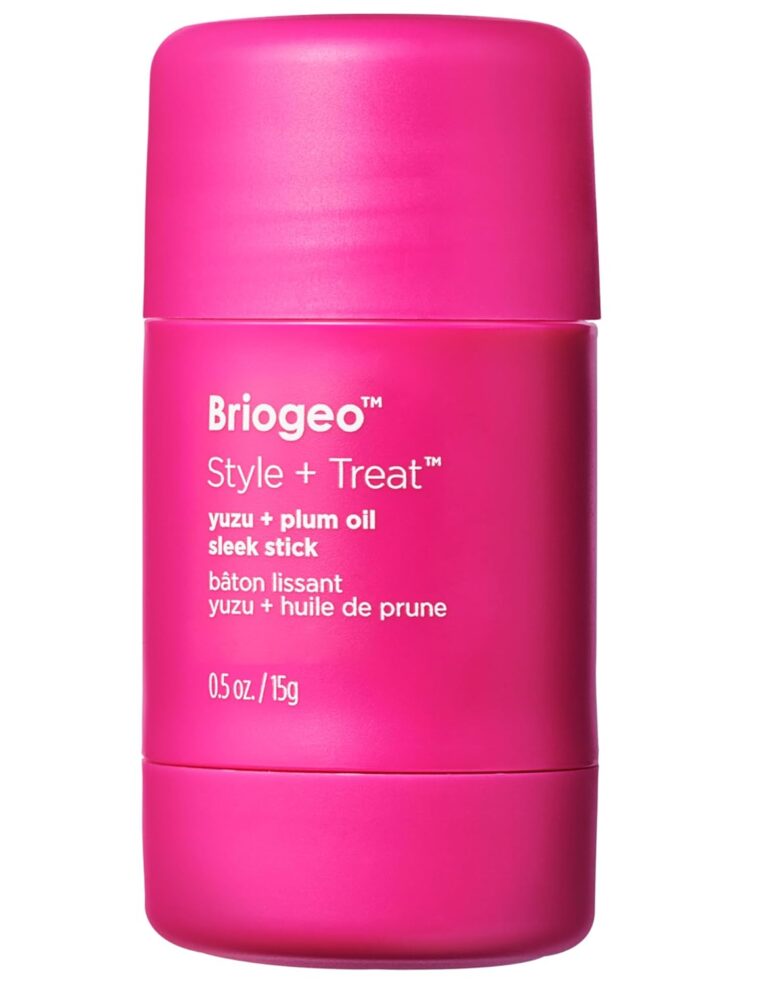
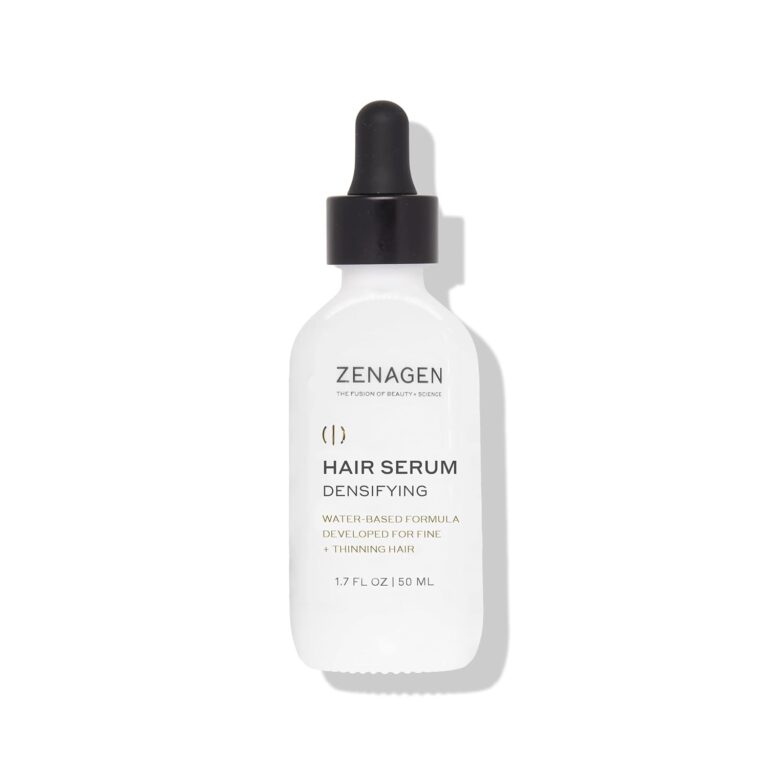
No, split ends cannot be permanently repaired or fused back together. Once the hair strand splits, the only permanent solution is to cut off the damaged portion. While some serums and styling products temporarily glue the ends together to improve appearance, they wash out with your next shampoo. Regular trims are the only way to truly eliminate split ends and prevent the damage from traveling up the hair shaft.
How often should I wash my hair for optimal growth?
There is no universal rule for washing frequency, as it depends entirely on your hair type and scalp condition. Fine, oily hair may need washing every other day, while thick, curly, or textured hair might only need washing once a week. The goal is to keep your scalp clean without stripping your hair of its natural moisturizing oils. Over-washing causes dryness and breakage, while under-washing leads to clogged follicles and stunted growth. Find a balance that keeps your scalp refreshed and your ends hydrated.
Does brushing my hair 100 times a day help it grow?
The old myth of brushing your hair 100 strokes a day is actually harmful. Excessive brushing causes unnecessary friction, leading to mechanical damage and breakage. You only need to brush your hair enough to detangle it and distribute your scalp’s natural oils down the hair shaft. Always use a gentle brush and avoid tugging at knots.
https://www.profitableratecpm.com/hjxh6b80?key=9e65c3e44b1d7af1b5715b31bced7922