Everyone wants hair that catches the light and feels incredibly soft to the touch. Yet, achieving that glossy, resilient finish often feels like an impossible puzzle. You might invest in expensive serums and masks, only to find your strands still looking dull and feeling brittle.
The secret to magnificent hair does not lie in a single miracle product. Instead, it requires a consistent, strategic approach to daily and weekly maintenance. By understanding your hair’s unique structure, you can stop fighting your natural texture and start working with it.
This guide will walk you through the ultimate regimen for luminous, resilient strands. We will explore how to identify different types of damage, the importance of scalp health, and the science behind pH levels. Most importantly, you will learn exactly how to repair damaged hair while protecting it from future harm.
Identifying Hair Damage and Specific Treatments
Before you can build an effective routine, you need to diagnose the current state of your hair. Damage alters the physical structure of your strands, lifting the protective cuticle layer and exposing the vulnerable inner cortex. Different habits cause different types of trauma, and each requires a specific intervention.
Chemical Damage
Chemical processing dramatically alters your hair. Bleaching, permanent coloring, perms, and chemical relaxers force the cuticle open to change the internal structure of the strand. Over time, this leaves the cuticle permanently raised or completely stripped away.
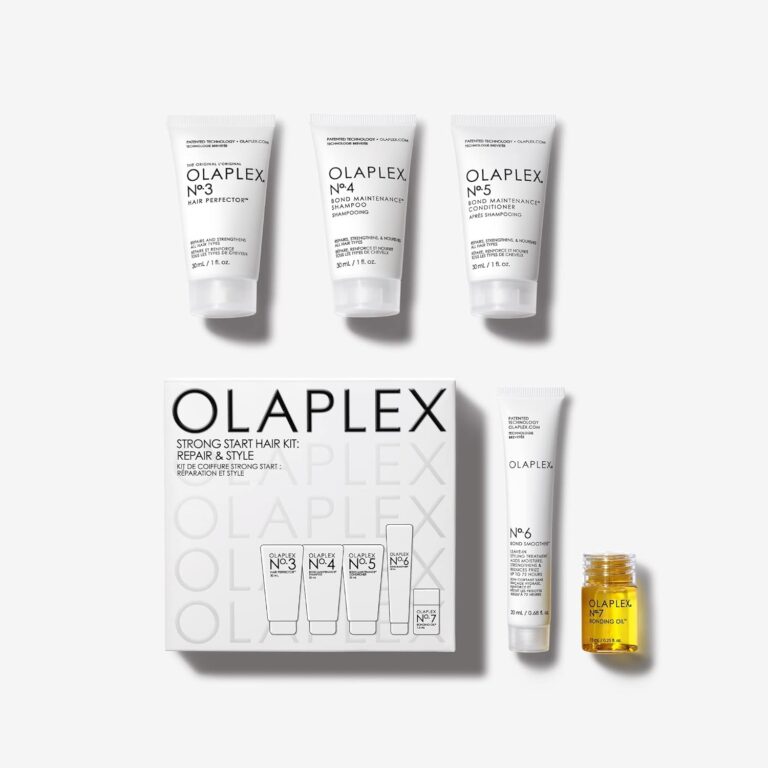
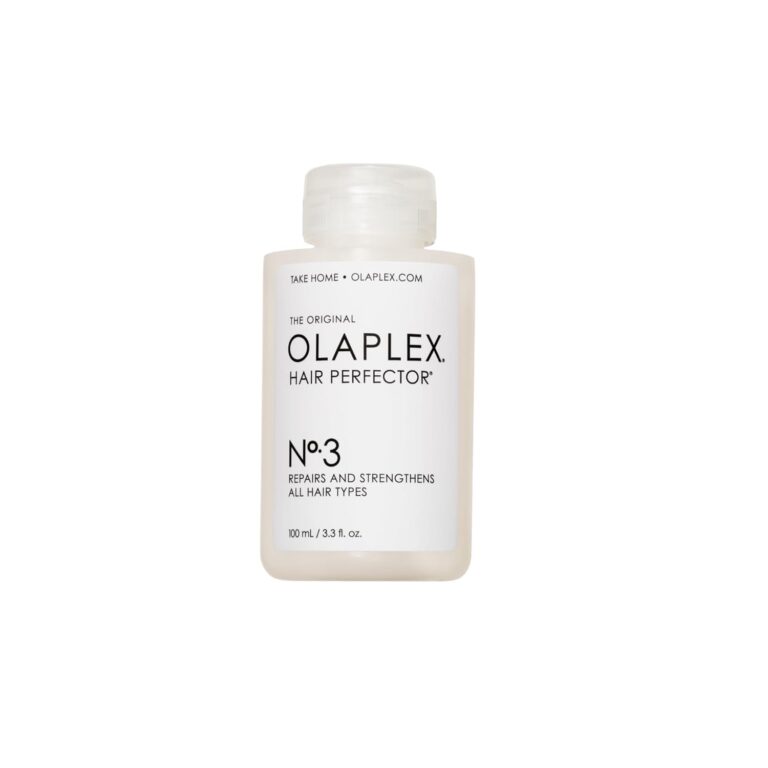
Chemically damaged hair feels gummy or mushy when wet and loses its natural elasticity. It might stretch endlessly like a weak rubber band before snapping. To treat chemical damage, you must temporarily rebuild the compromised structure. Incorporate a bond-building treatment into your weekly routine to reconnect broken disulfide bonds. Follow this with a protein-rich mask containing hydrolyzed keratin or silk amino acids to fill in the gaps along the hair shaft.
Heat Damage
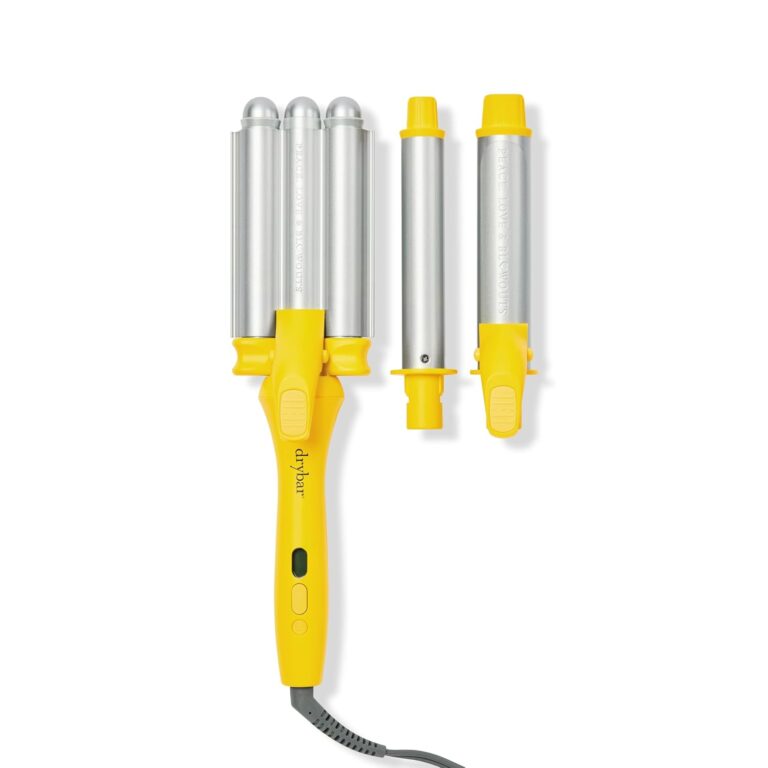
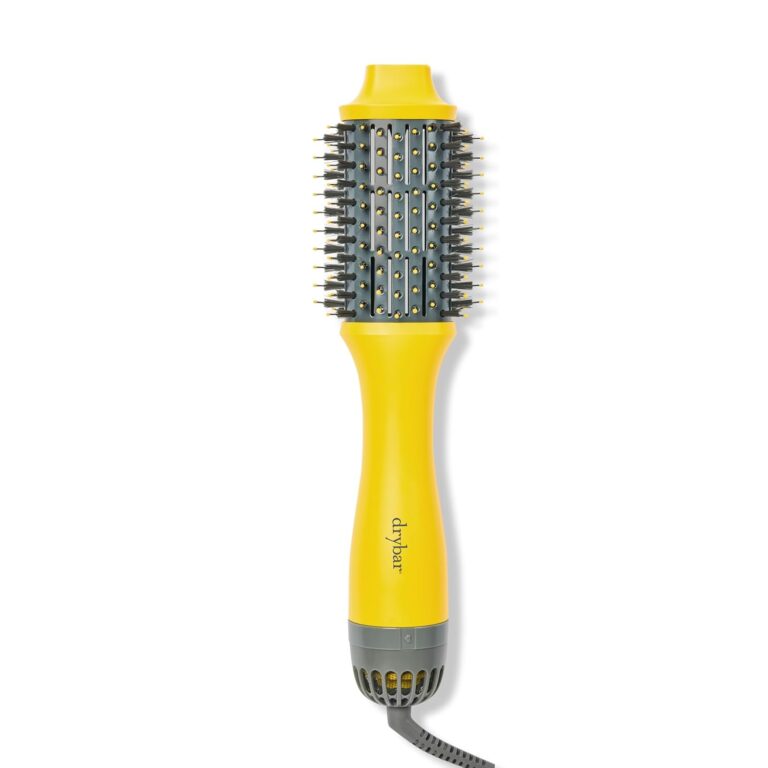
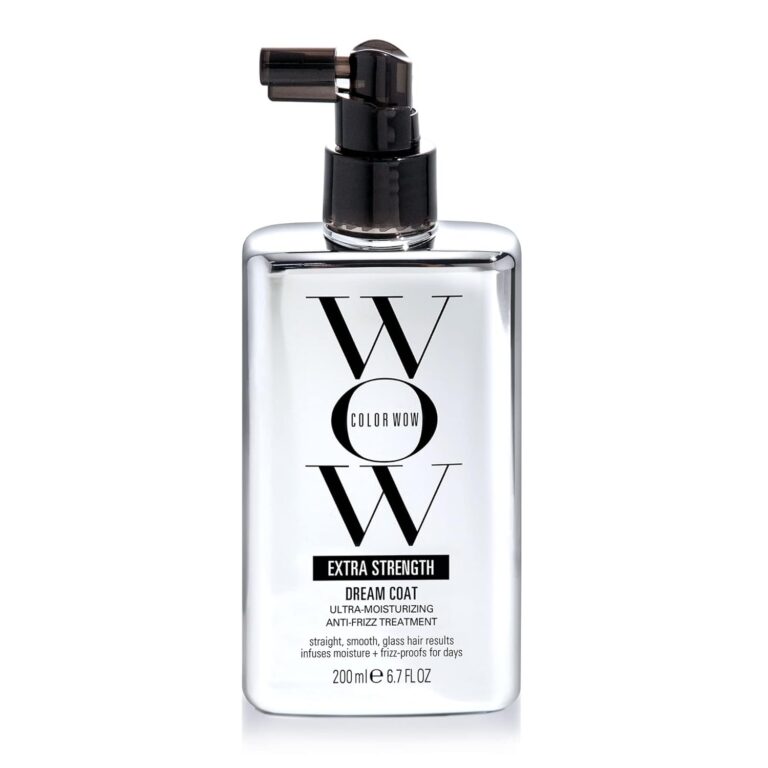
Frequent use of flat irons, curling wands, and hot blow dryers literally boils the moisture out of your hair. High temperatures break down the hydrogen bonds that give your hair its shape and melt the protective keratin proteins. Heat-damaged hair often looks dull, feels rough to the touch, and refuses to hold a style.
If you notice your natural curl pattern loosening or disappearing entirely, heat is likely the culprit. Treating this requires massive amounts of hydration. Swap out your regular conditioner for a deep moisture mask formulated with hyaluronic acid, honey, or aloe vera. Furthermore, you must severely limit your use of hot tools while your hair recovers.
Mechanical Damage
Mechanical damage results from physical handling and daily wear and tear. Aggressive brushing, ripping combs through wet tangles, and pulling your hair into tight ponytails all cause severe friction. This leads to localized breakage, thinning edges, and split ends.
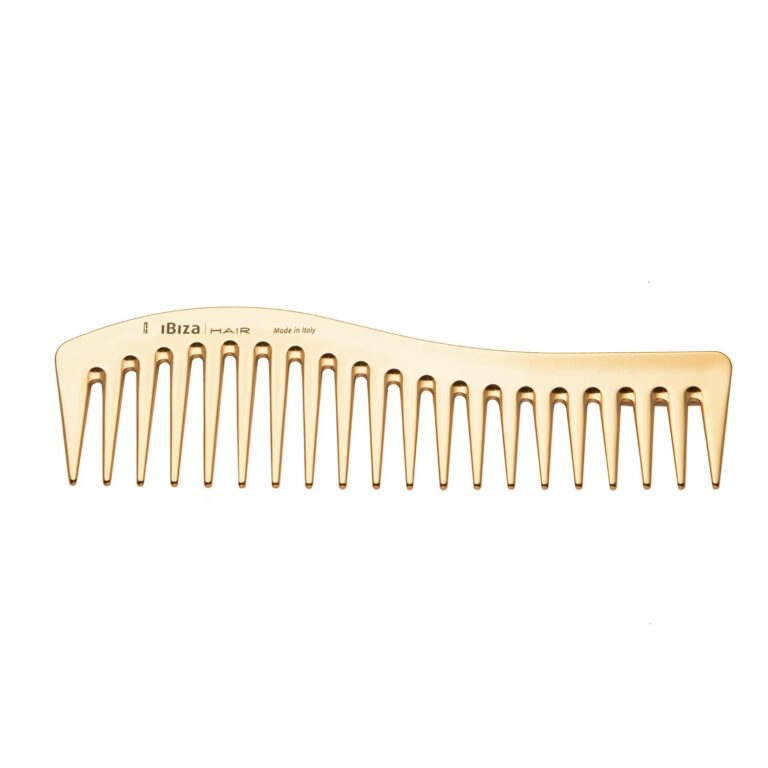
You can identify mechanical damage by looking for short, broken hairs around your face or at the nape of your neck. The treatment for this is entirely preventative. You must adopt a gentler approach to detangling. Always use a wide-tooth comb or a flexible wet brush, starting at the very ends of your hair and slowly working your way up to the roots.
The Science of Shine: pH Balance and Natural Oils
Understanding the underlying science of hair health makes choosing the right products much easier. The surface of your hair, known as the cuticle, resembles microscopic roof shingles. When these shingles lay flat, they reflect light, creating a brilliant shine. When they lift, hair looks dull and feels rough.
Why pH-Balanced Products Matter
The pH scale measures how acidic or alkaline a substance is. Your hair and scalp naturally thrive in a slightly acidic environment, typically resting at a pH between 4.5 and 5.5. This natural acidity keeps the cuticle tightly sealed, locking in moisture and protecting the inner cortex from bacteria and fungus.
Many commercial shampoos are highly alkaline, which forces the cuticle open and causes swelling within the hair shaft. This swelling leads to frizz, tangles, and eventual breakage. By choosing strictly pH-balanced cleansers and conditioners, you maintain the structural integrity of your hair. Acidic products smooth the cuticle down, reducing friction between strands and dramatically amplifying your natural shine.
The Role of Natural Oils
Your scalp produces a natural oil called sebum, which acts as a built-in conditioning treatment. Sebum travels down the hair shaft, coating the strands in a protective lipid barrier. This barrier locks in hydration, provides flexibility, and gives your hair its natural sheen.
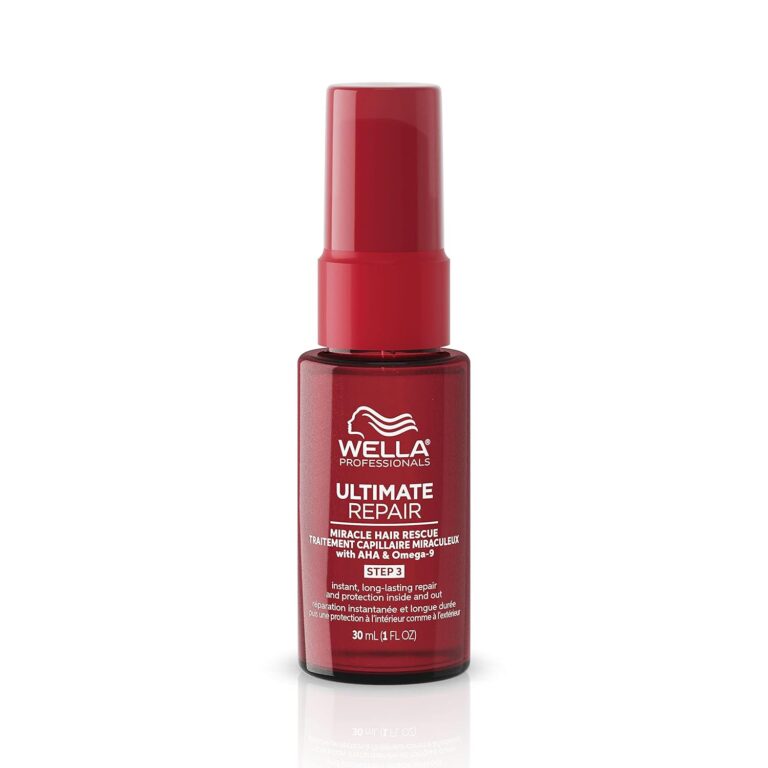
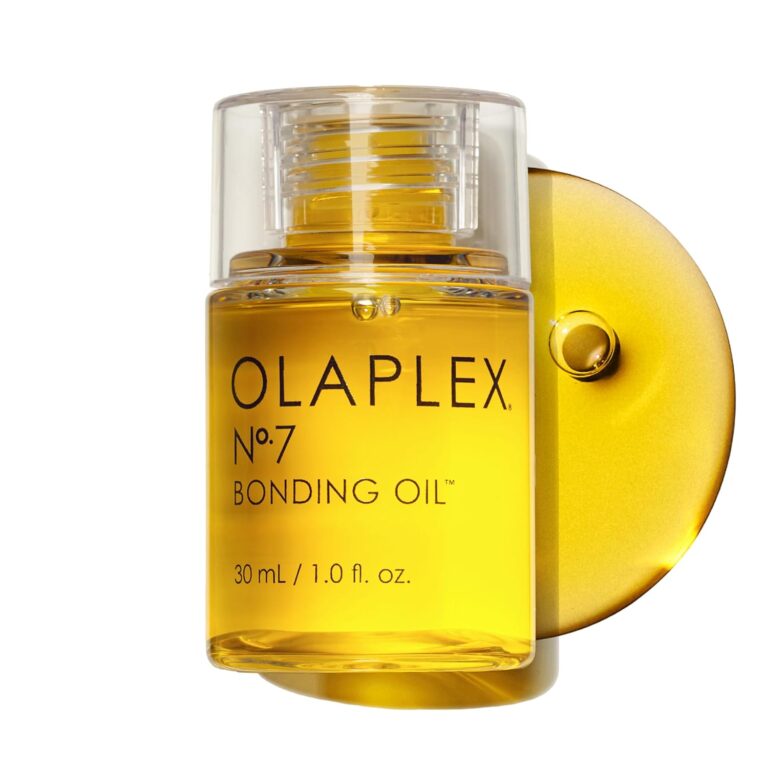
When you over-wash your hair or use harsh, stripping sulfates, you remove this essential lipid layer. To compensate, you can supplement your routine with natural plant-based oils. Argan oil, jojoba oil, and squalane are excellent choices because their molecular structures closely mimic human sebum. Applying a few drops of these lightweight oils to your ends helps seal the cuticle and prevent moisture loss throughout the day.
Your Step-by-Step Daily Hair Care Routine
A solid daily routine focuses on protection and moisture maintenance. What you do every single morning and night dictates how your hair will look and feel long-term.
Morning Protection and Styling
Start your day by gently detangling your hair. If your hair is straight or wavy, use a soft boar bristle brush to distribute your scalp’s natural oils down to the ends. If your hair is curly or coily, lightly mist it with water or a refreshing spray before gently finger-combing.
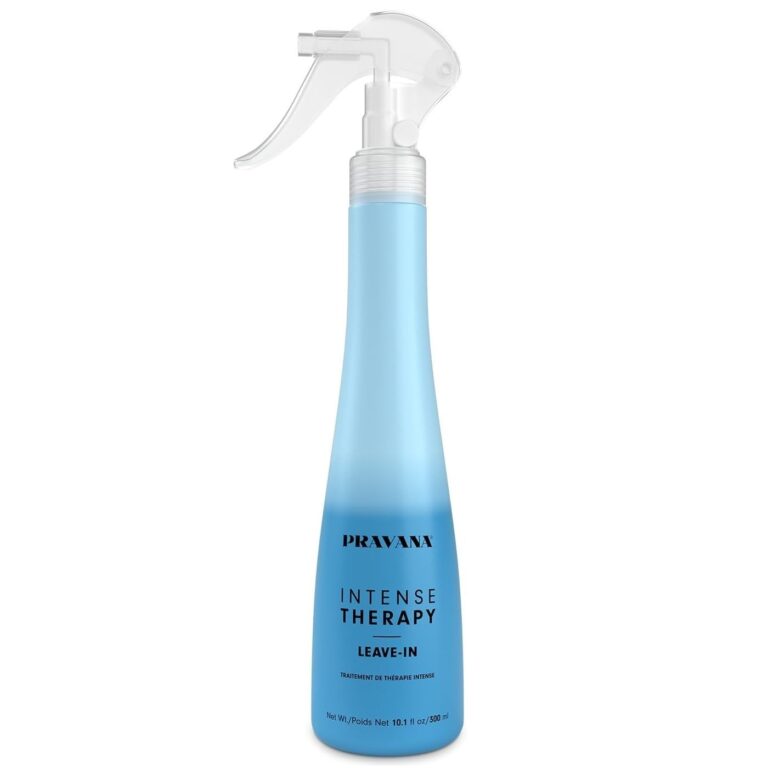
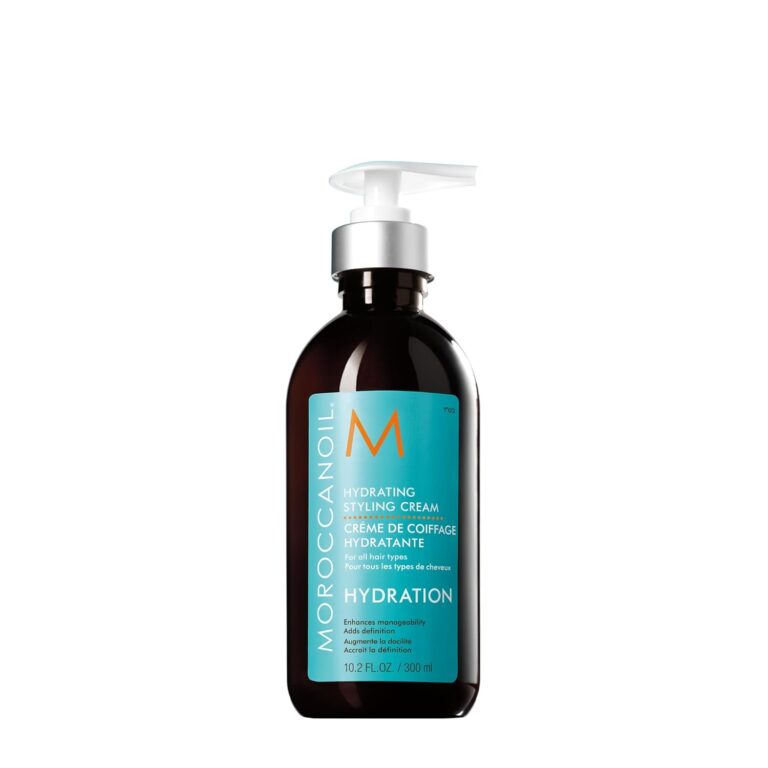
Before stepping outside, apply a lightweight leave-in conditioner. This product acts as a daily moisturizer, keeping your strands hydrated and pliable. If you plan to use any hot tools, applying a high-quality thermal protectant is an absolute requirement. These sprays create a physical barrier between your hair and the heat, preventing the cuticle from blistering and cracking.
Daytime Defense: Environmental Stressors
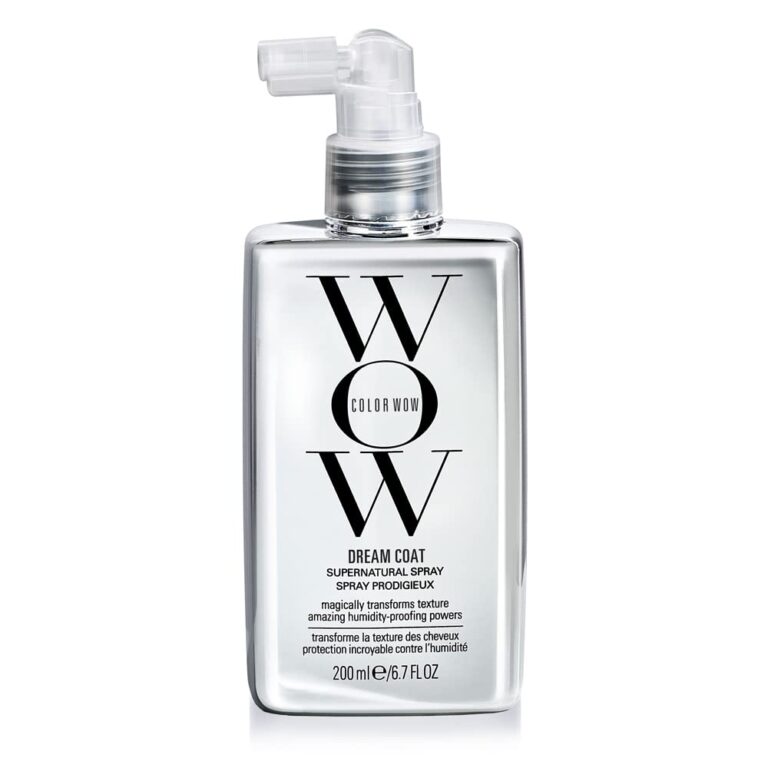
Your hair faces constant environmental attacks throughout the day. UV rays break down hair proteins and fade color, while cold wind causes extreme tangles and moisture depletion. Urban pollution also deposits microscopic free radicals onto your strands, leading to oxidative stress and dullness.
Protecting your hair requires proactive measures. When spending extended time in the sun, wear a hat or apply a hair-specific UV-protectant spray. During cold, windy months, keep your hair secured in a loose braid or bun to prevent friction against heavy winter coats and scarves. By minimizing environmental exposure, you preserve your hair’s strength and shine.
Nighttime Care and Friction Prevention
How you sleep drastically impacts your hair’s health. Tossing and turning on a standard cotton pillowcase creates severe friction. Cotton fibers rough up the hair cuticle, leading to frizz, tangles, and significant breakage over time. Cotton is also highly absorbent, meaning it literally drinks the moisture out of your hair while you sleep.
Upgrade your nighttime routine by switching to a 100% silk or satin pillowcase. The smooth surface allows your hair to glide effortlessly, entirely eliminating mechanical friction. Alternatively, you can protect your hair by wearing a silk sleep bonnet. Before bed, apply a single drop of lightweight oil to your ends to provide overnight nourishment and seal in hydration.
Your Step-by-Step Weekly Hair Care Routine
While your daily routine focuses on protection, your weekly routine is all about deep cleansing, repairing, and resetting your hair for the days ahead.
Proper Cleansing and Conditioning
Determine a washing schedule that suits your hair type. Most people benefit from washing their hair two to three times a week. When you do wash, focus your shampoo exclusively on your scalp. Massage the cleanser in gently with your fingertips to remove dead skin cells and excess sebum. Let the suds gently wash over the lengths of your hair as you rinse.
Follow up with a rich, hydrating conditioner. Apply this strictly to the mid-lengths and ends of your hair, as applying conditioner to the scalp can weigh your roots down and cause greasiness. Leave the conditioner on for at least three minutes to allow the ingredients to penetrate the cuticle properly. Always rinse your conditioner out with lukewarm or cool water to snap the cuticle shut and lock in the shine.
Deep Conditioning and Targeted Repair
Once a week, swap your standard conditioner for an intensive hair mask. If you are actively trying to figure out how to repair damaged hair, this step is your most powerful tool.
Tailor your mask to your hair’s current needs. If your hair feels dry and brittle, choose a moisture mask packed with humectants. If your strands feel weak, gummy, or overly stretchy, opt for a mild protein treatment to rebuild internal strength. Apply the mask to damp, towel-dried hair, focusing heavily on the fragile ends. Cover your hair with a shower cap and let the product sit for twenty to thirty minutes before rinsing thoroughly.
Scalp Detoxification
Healthy hair growth originates from a healthy, unclogged scalp. Over time, styling products, dry shampoo, and hard water minerals accumulate on the scalp. This buildup blocks hair follicles, causes inflammation, and restricts the blood flow necessary for robust hair growth.
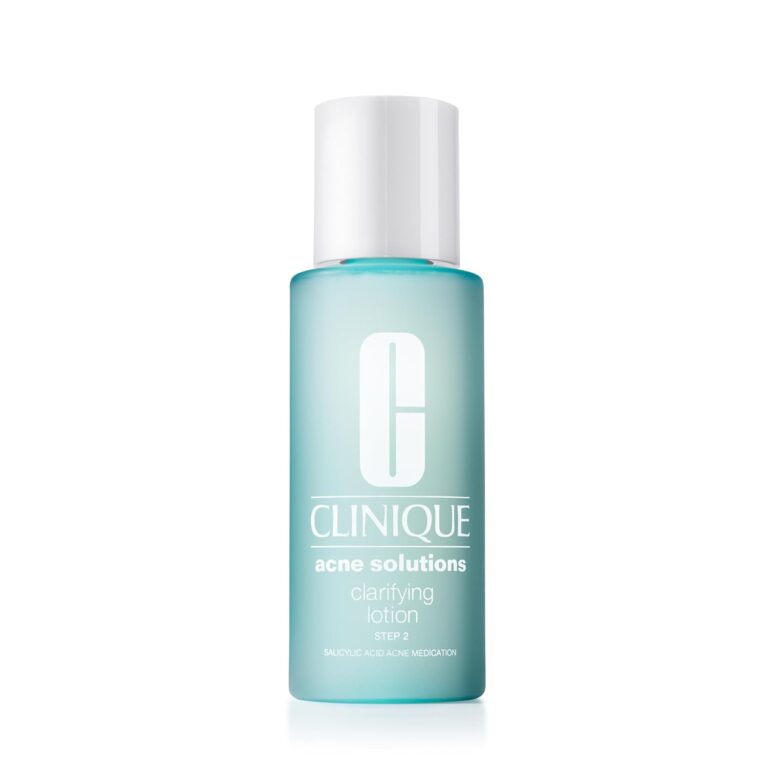
Incorporate a scalp detoxification step into your routine once every two weeks. You can use a gentle physical scalp scrub or a chemical exfoliant containing salicylic acid to dissolve buildup. Massage the exfoliant gently into your roots before shampooing. This keeps your follicles clear and creates the perfect environment for strong, shiny hair to emerge.
Conclusion
Transforming your hair from dull and damaged to strong and shiny is entirely within your control. It simply requires a commitment to gentle handling, smart product choices, and consistent maintenance. By utilizing pH-balanced products, harnessing the power of natural oils, and protecting your strands from daily environmental stressors, you set the foundation for incredible hair health. Start implementing these daily and weekly habits today. With patience and dedication, you will successfully repair past damage and unlock the most resilient, luminous hair of your life.
Frequently Asked Questions (FAQs)
How often should I really wash my hair?
Washing frequency depends entirely on your specific hair type and scalp oil production. Fine, straight hair often requires washing every other day to prevent the roots from looking flat and greasy. Wavy hair typically thrives on two to three washes a week. Curly and coily textures naturally repel oil and easily dry out, so they generally only need cleansing once a week or every two weeks. Listen to your scalp; if it feels itchy or heavy, it is time to wash.
Do hair vitamins and supplements actually work?
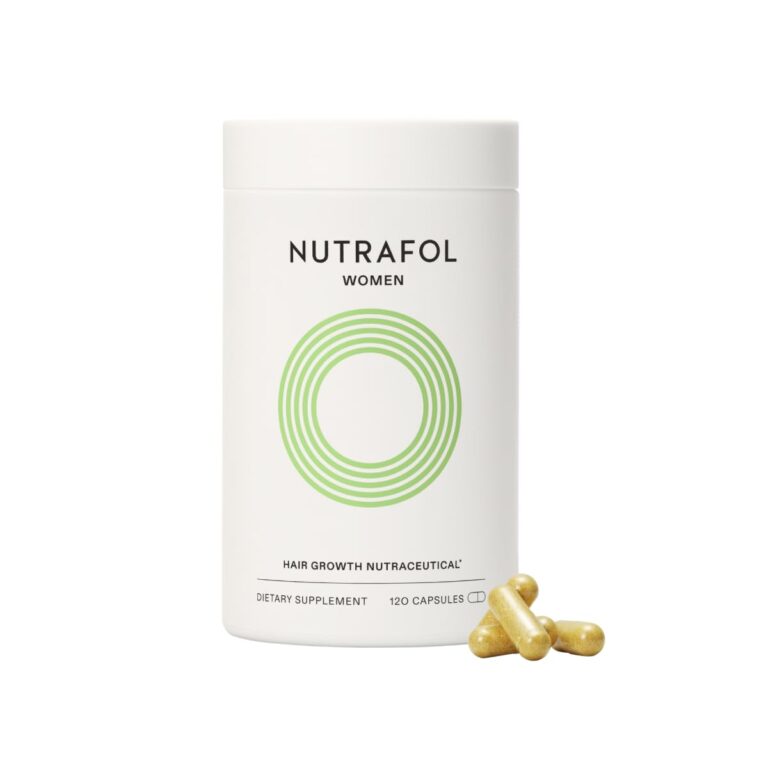
Hair vitamins can be highly effective, but only if your body is currently deficient in specific nutrients. Your body views hair as non-essential, meaning it will route vitamins to your vital organs first. If your diet lacks sufficient protein, iron, zinc, or B-vitamins, a supplement can bridge the gap and support healthier growth. However, if you already eat a well-balanced, nutrient-dense diet, taking excess vitamins will not magically speed up your hair growth or drastically alter its texture.
What are the best ways to prevent split ends?
The only guaranteed way to prevent split ends is to minimize physical and thermal stress on the hair shaft. Always use a high-quality heat protectant before blow-drying or using hot tools, and keep the temperature as low as possible. Detangle your hair with extreme care, working from the bottom up. Keep your ends heavily moisturized with leave-in conditioners and natural oils to maintain flexibility. Finally, get regular micro-trims every eight to twelve weeks to dust off the very bottom of the hair shaft before a tiny split has the chance to travel upwards.
https://www.profitableratecpm.com/hjxh6b80?key=9e65c3e44b1d7af1b5715b31bced7922