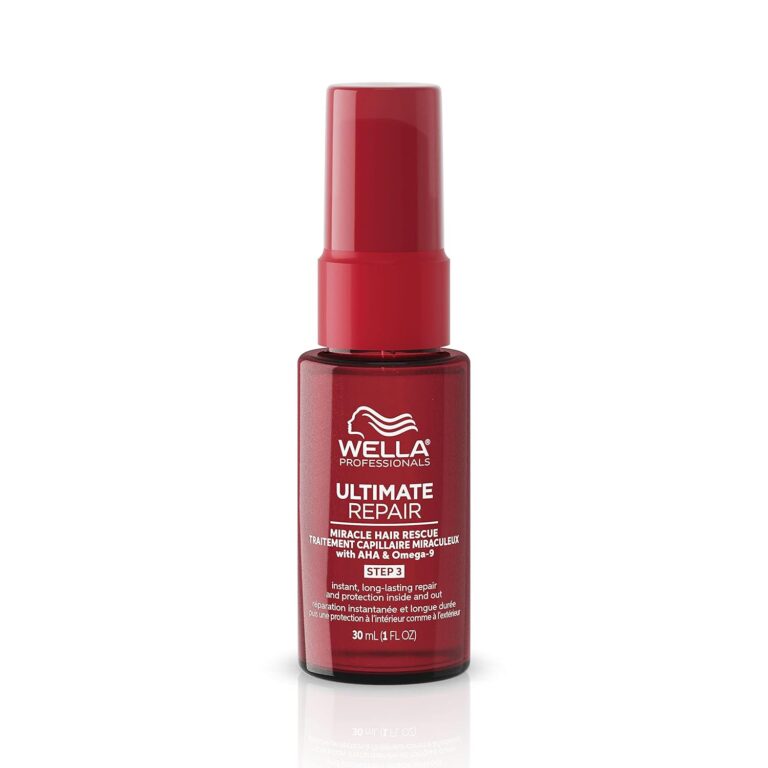
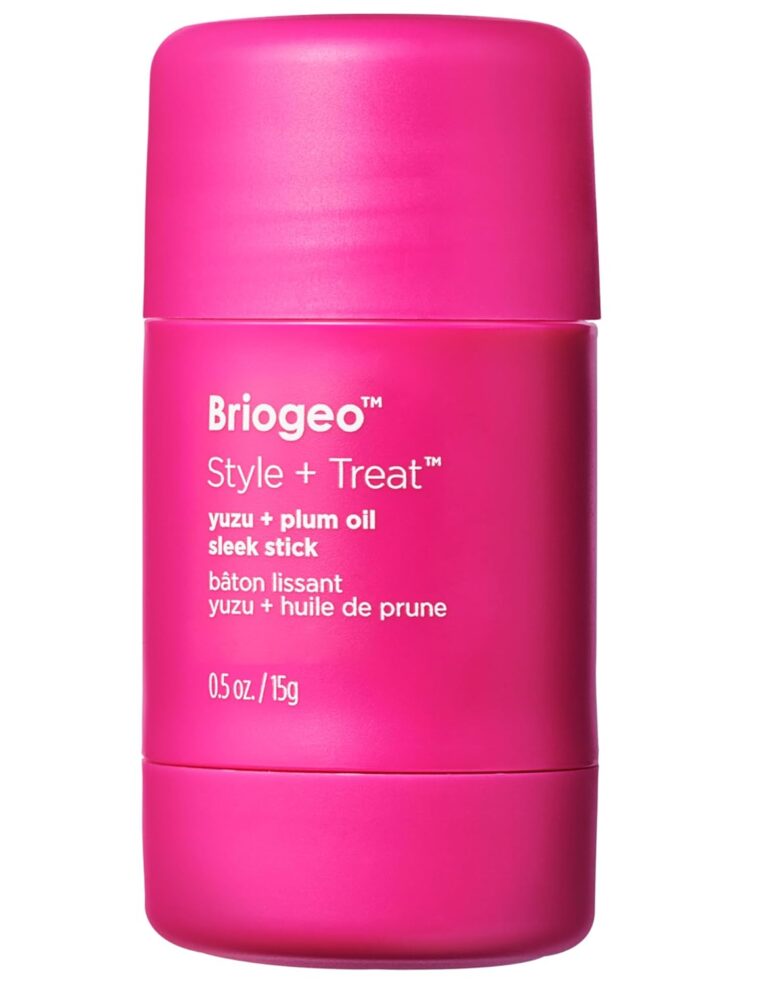
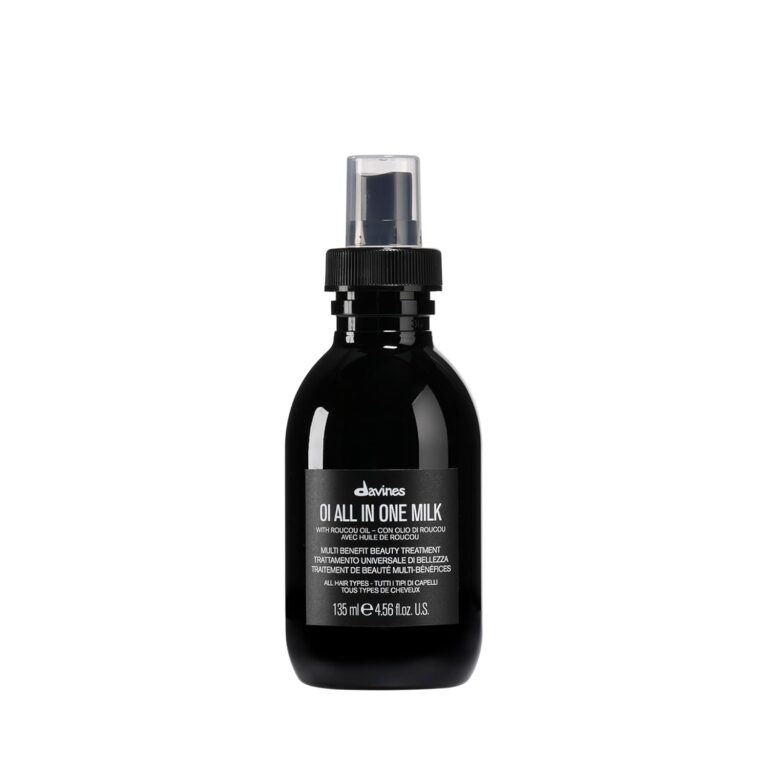
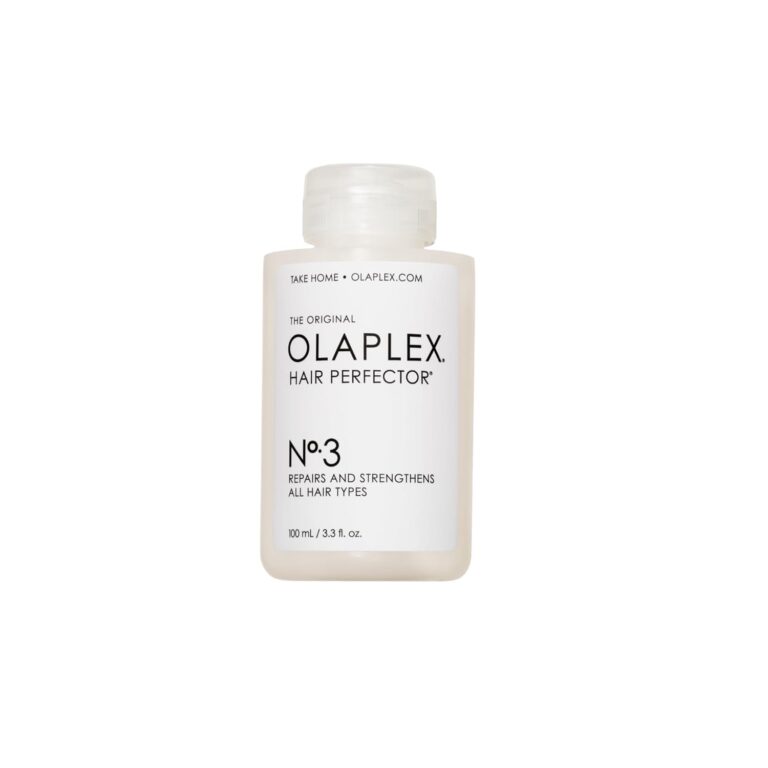
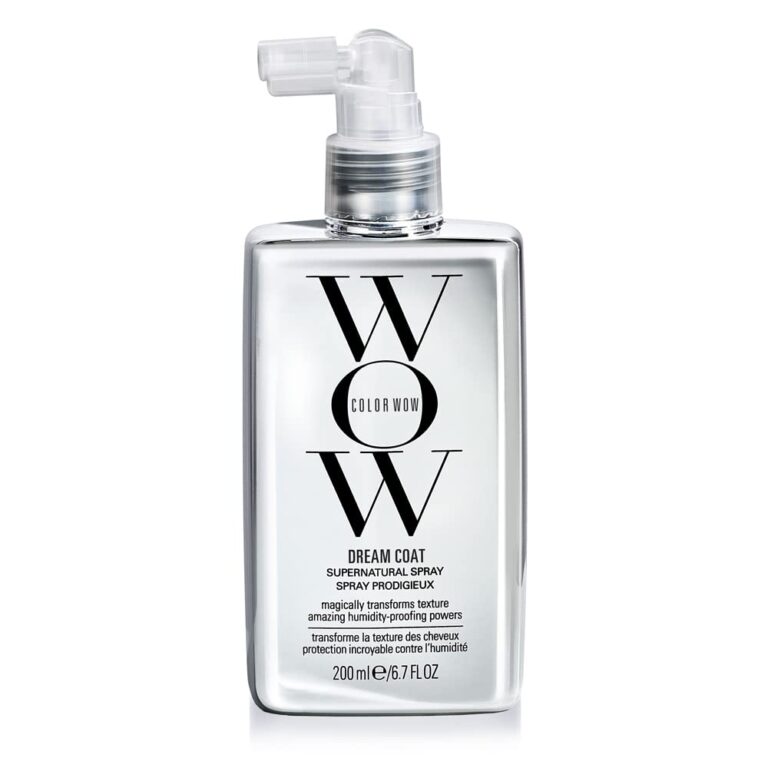
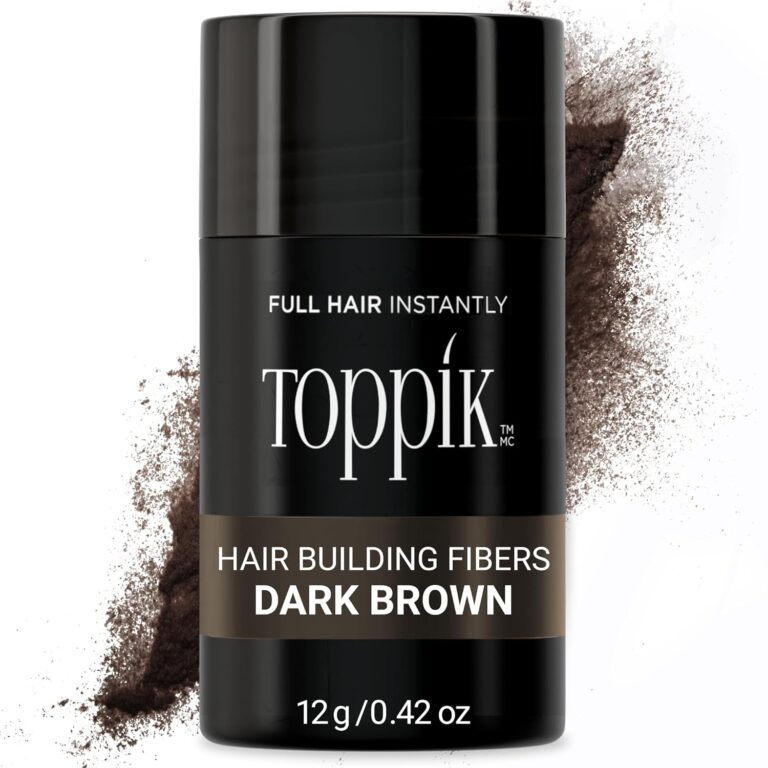
Your hair goes through a lot each year, often without you realizing how much stress it endures. Summer damages it with sun, chlorine, and saltwater. Winter dries it out with cold winds, heaters, and constant static. After these two seasons, your strands may feel weak, rough, or tired. A good repair mask can revive your hair, making it soft, shiny, and strong. With the right ingredients, your hair can bounce back faster than expected.
In this article
- Why Hair Gets Damaged in Summer and Winter
- Keratin Masks for Post Summer Repair
- Moisture Boost with Coconut Oil
- Shea Butter and Honey for Winter Nourishment
- Avocado Oil and Aloe Vera for Scalp and Hair Health
- Bond Building Masks for Severe Damage
- How to Apply a Hair Mask the Right Way
- Key Takeaways
- Conclusion
Why Hair Gets Damaged in Summer and Winter
Both seasons hit your hair differently. Summer harms the outer layer. UV rays break down proteins, while chlorine strips away natural oils. Saltwater dries out the strands and causes the cuticle to open, leaving your hair dull and stiff.
Winter damage contrasts with this. Cold air removes moisture and indoor heaters create dry conditions, leading to static and frizz. Breakage becomes common as the hair loses flexibility. Your scalp also dries out, which results in flakes and irritation. This cycle weakens your hair over time. Repair masks can stop this cycle by feeding your hair the nutrients it has lost.
Keratin Masks for Post Summer Repair
Keratin masks are the best choice for sun-damaged hair. Keratin is the protein that your hair is naturally made of. When sun or chlorine weakens your strands, keratin fills the gaps and strengthens the cuticle.
Look for masks that contain hydrolyzed keratin, amino acids, and argan oil. These ingredients penetrate the hair shaft and rebuild the outer layer. If you use heat tools or spend a lot of time outdoors, keratin masks help smooth frizz and restore shine. Use them weekly after heavy summer exposure. They make your hair more resistant and softer with each use.
Moisture Boost with Coconut Oil
Coconut oil is a classic remedy for repairing hair after summer and winter damage. It penetrates the hair shaft deeper than most oils and reduces protein loss, making your hair stronger over time.
A coconut oil-based mask softens hair and fixes dryness at the ends. If your hair tangles easily or has split ends, coconut oil masks provide immediate smoothness.
Using them weekly keeps your hair hydrated and flexible, preventing breakage in winter and keeping it from becoming brittle in heat. For best results, apply warm coconut oil masks on damp hair.
Shea Butter and Honey for Winter Nourishment
Shea butter is one of the richest natural moisturizers. It locks moisture inside the hair and protects the cuticle from winter dryness. Honey pulls hydration from the air and brings it into your hair.
Together, these ingredients offer intense nourishment. They are especially helpful for curly, wavy, or textured hair that needs extra moisture during winter. If your curls feel stiff or lose shape, a shea butter mask restores softness. Honey adds shine and reduces frizz caused by cold winds and indoor heating. These masks also help with scalp dryness, which is common in winter.
Avocado Oil and Aloe Vera for Scalp and Hair Health
Avocado oil is rich in vitamins B and E, along with healthy fatty acids that strengthen the hair. Aloe vera cools and soothes the scalp while providing gentle hydration.
This combination works well if your hair is stressed from constant weather changes. Indoor heating can irritate your scalp, causing itchiness or flakiness. Aloe vera calms that irritation while avocado oil strengthens the strands.
If you struggle with frizz, this duo smooths the hair’s surface without adding weight. It’s a great option for those with fine or medium hair who want hydration without losing volume.
Bond Building Masks for Severe Damage
If your hair is color-treated, bleached, or heavily heat-styled, a simple oil mask might not be enough. You need a bond-building mask. These masks repair the inner structure of the hair instead of just coating the surface.
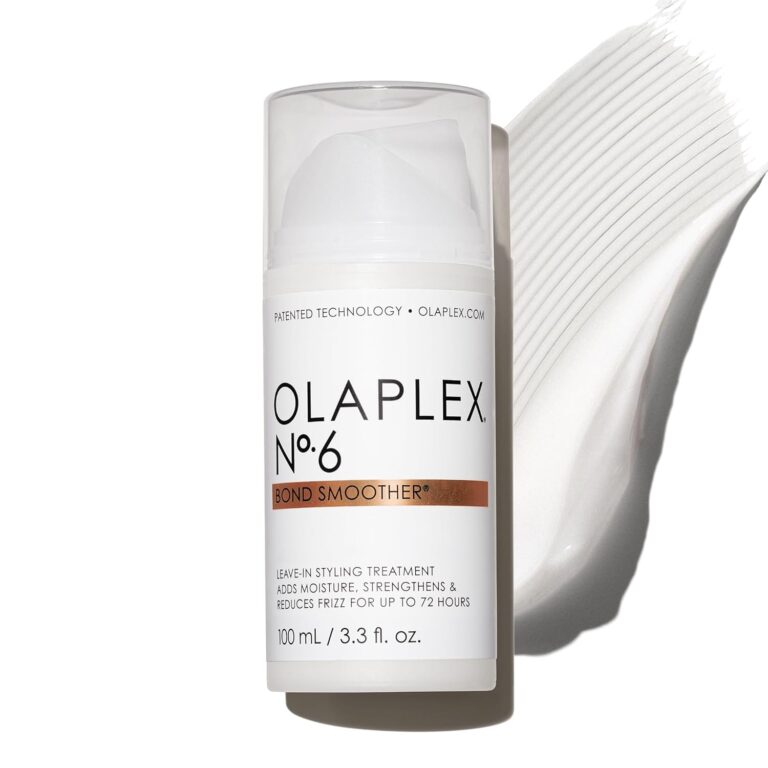
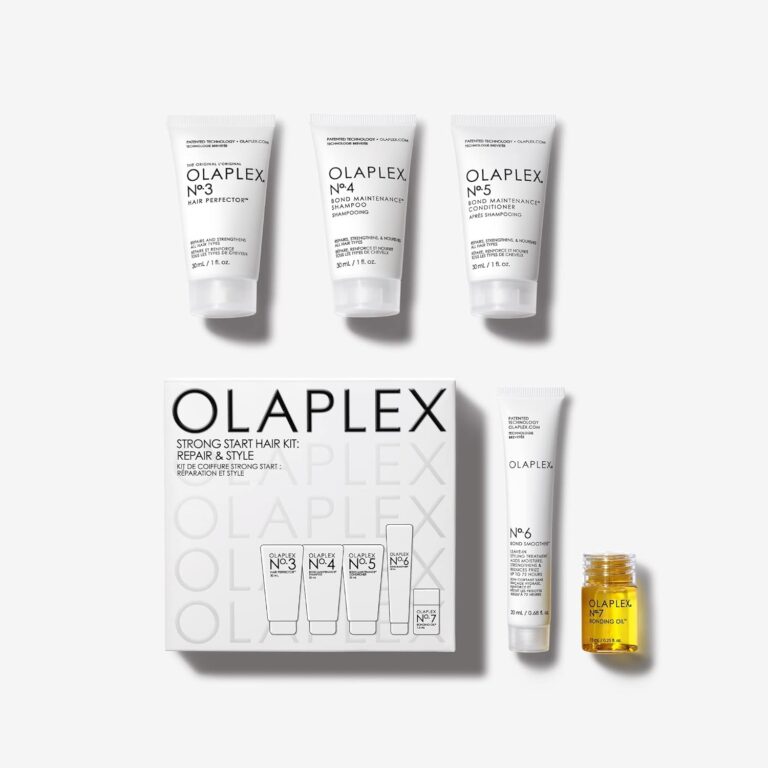
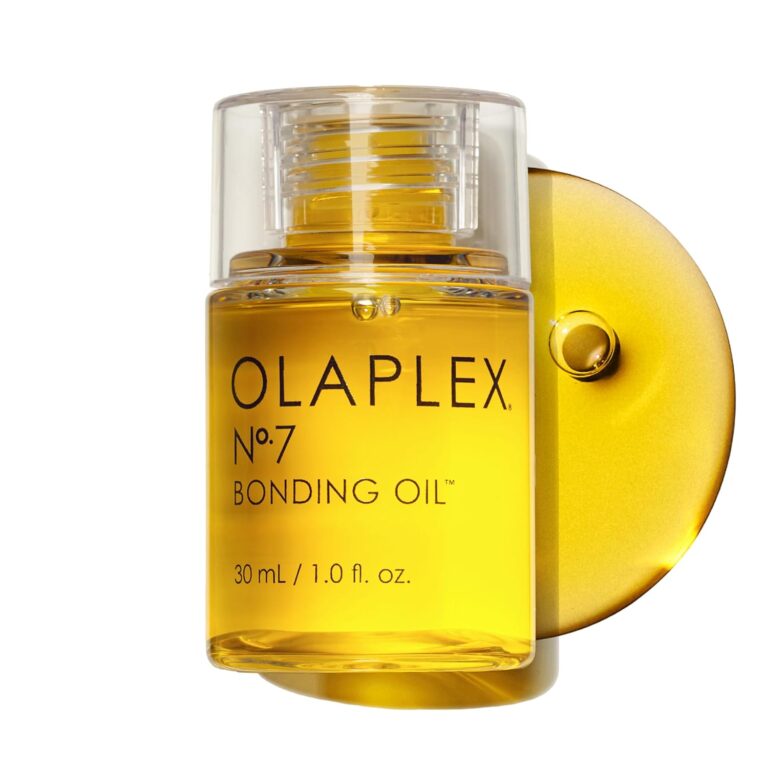
Peptide-based formulas or patented technologies like Olaplex or K18 reconnect broken hair bonds. This improves elasticity, reduces breakage, and restores strength from within.
These masks are ideal for hair that feels stretchy, mushy, weak, or overly processed. Use them once a week for a month if your damage is severe. After that, you can switch to every two weeks.
How to Apply a Hair Mask the Right Way
Many people apply hair masks incorrectly. The right method gives better results.
Start by shampooing your hair, allowing the mask to penetrate the strands properly. Apply the mask to clean, damp hair. Avoid using it on soaking wet hair, as the product will slide off.
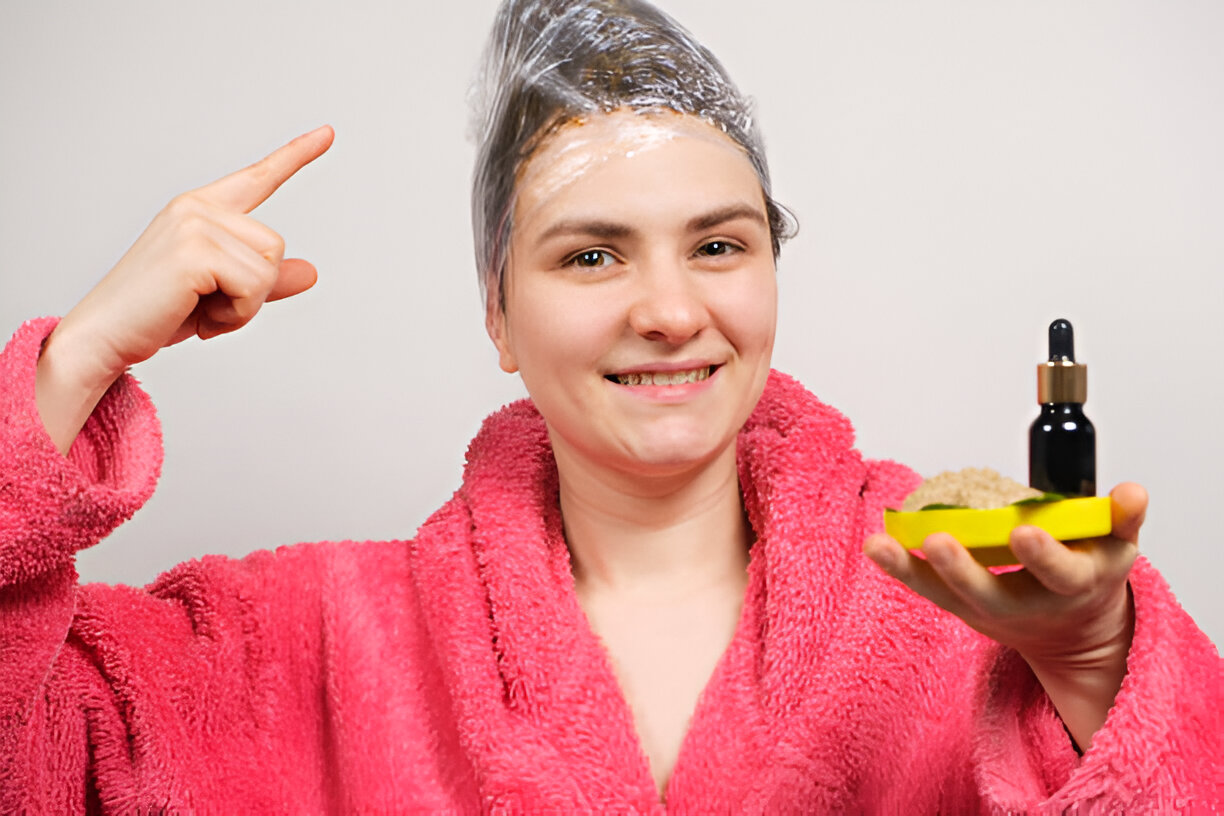
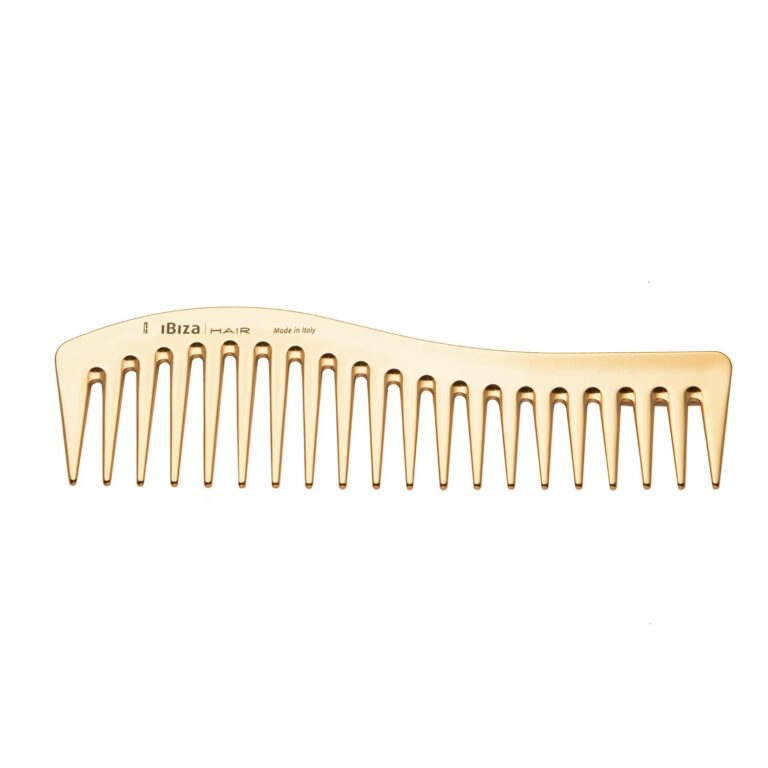
Use a wide-tooth comb to distribute the mask evenly, preventing heavy buildup in one area. Cover your hair with a warm towel or shower cap for fifteen to thirty minutes. Heat helps the ingredients enter the cuticle.
Rinse with cool water. This seals the cuticle and locks in moisture. Consistent use, once a week or every two weeks, can repair seasonal damage and keep your hair healthy throughout the year.
Key Takeaways
- Keratin masks repair summer heat and UV damage.
- Coconut oil helps with moisture loss in both seasons.
- Shea butter and honey restore winter hydration.
- Avocado oil and aloe vera calm the scalp and reduce frizz.
- Bond-building masks repair deep internal damage.
- Correct application improves results and reduces breakage.
Conclusion
Your hair can recover from seasonal stress with the right ingredients and a simple routine. Whether it’s summer sun or winter dryness, a nourishing repair mask can restore strength and shine. Consistent use prevents long-term damage, helping your hair stay healthy and resilient all year. With a little care, your hair can bounce back faster than you expect.
Frequently Asked Questions
Which mask is best after summer exposure?
Keratin masks are the best option, as they rebuild protein lost from UV rays, chlorine, and heat. They smooth the cuticle and restore strength.
How often should I use a repair mask?
Once a week is ideal for most people. If your hair is severely damaged, use it twice a week until your strands recover.
Is coconut oil safe for all hair types?
Yes, but fine hair should use it lightly. Too much oil can weigh down thin strands. Medium and thick hair types benefit the most.
Can I sleep with a hair mask on?
Only if the mask is designed for overnight use. Heavy masks can clog the scalp if left on too long. Check the product instructions.
Do bond-building masks replace conditioners?
No. They repair the internal structure but do not provide surface softness. You still need a conditioner after rinsing the mask.
https://www.profitableratecpm.com/hjxh6b80?key=9e65c3e44b1d7af1b5715b31bced7922