Running your fingers through your hair should feel smooth and satisfying. When instead your hands snag on rough, brittle ends, a sense of panic often sets in. You might look in the mirror and wonder if your only option is a dramatic chop. If you are struggling with breakage, frizz, and severe dryness, you are far from alone. Countless people face the frustration of compromised hair strands.
The good news is that understanding how to repair damaged hair is entirely possible with the right approach. It takes a blend of patience, science, and targeted care to nurse your strands back to health. This comprehensive guide provides expert-led advice to help you restore your hair’s vitality. We will explore how to identify different types of damage, the science behind hair repair, bond-building technology, and the step-by-step treatments you need to bring your hair back to life.
Identifying the Signs of Hair Damage
Before you can effectively treat your hair, you need to understand what went wrong. Hair damage typically falls into three main categories. Identifying your specific type of damage helps you choose the correct recovery path.
Chemical Damage
Chemical damage happens when you alter the natural structure of your hair using bleach, permanent color, relaxers, or perms. These processes force the hair cuticle open so chemicals can penetrate the cortex. Over time, or when done improperly, this leaves the cuticle permanently raised or completely stripped away.
Signs of chemical damage include extreme porosity (your hair absorbs water instantly but dries out just as fast), a gummy or mushy texture when wet, and severe loss of elasticity. Your hair might stretch out like a weak rubber band and snap instead of bouncing back.
Heat Damage
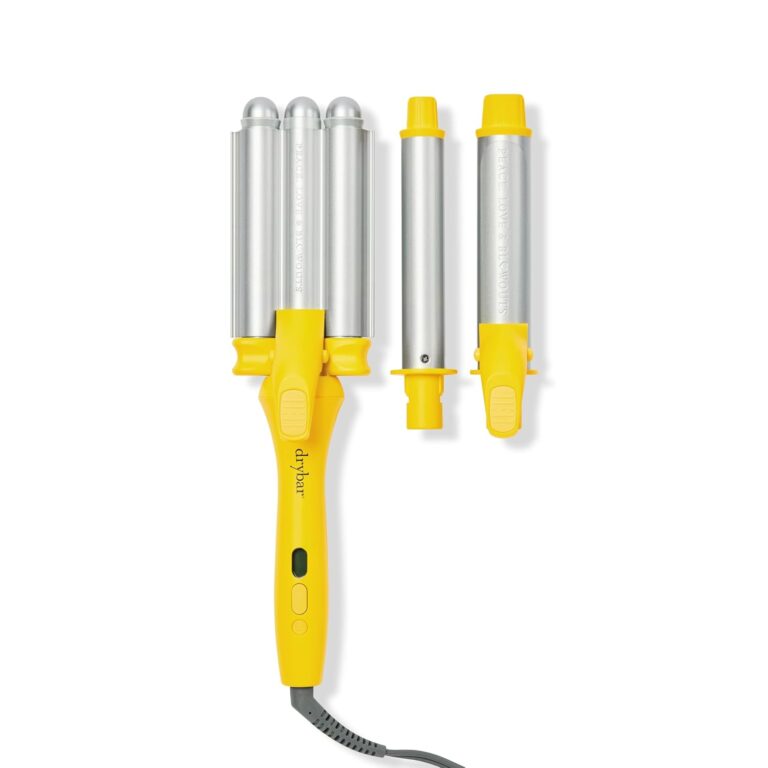
We all love the sleek look of a fresh blowout or perfectly curled waves. However, frequent use of flat irons, curling wands, and hot blow dryers literally boils the moisture out of your hair shaft. High temperatures break down the hydrogen bonds in your hair and melt the protective keratin proteins.
If you have heat damage, you will notice dry, brittle ends that split easily. Curly and wavy hair types will see a permanent loosening or complete loss of their natural curl pattern. Heat-damaged hair often looks dull, feels rough to the touch, and refuses to hold a style.
Mechanical Damage
Mechanical damage is the wear and tear your hair endures from physical handling. This includes aggressive brushing, ripping combs through wet tangles, pulling your hair into incredibly tight ponytails, and rubbing your head against harsh cotton pillowcases.
This type of damage manifests as localized breakage. You might notice short, broken hairs around your hairline or at the nape of your neck. Thinning edges, excessive split ends, and general frizz are also prime indicators that you are being too rough with your daily styling routine.
The Science of Hair Repair
To understand how to repair damaged hair, it helps to know a little bit about hair anatomy. Your hair is primarily made of a tough protein called keratin. Each strand consists of an inner core called the medulla, a middle layer called the cortex (which holds your hair’s pigment and strength), and an outer layer called the cuticle.
Think of the cuticle like the shingles on a roof. When hair is healthy, these shingles lay flat, protecting the inner cortex and reflecting light to create shine. When hair is damaged, these shingles lift, chip, or break off completely. The cortex is left exposed, allowing internal moisture to escape and causing the hair fiber to weaken. Repairing damaged hair involves smoothing those cuticles back down, patching up the microscopic holes in the cortex, and rebuilding broken structural bonds.
The Great Debate: Protein vs. Moisture Balance
One of the biggest hurdles in hair repair is figuring out exactly what your hair is craving. Healthy hair requires a delicate balance of moisture (hydration) and protein (strength). If you tip the scales too far in either direction, your hair will continue to break.
When to Focus on Moisture
Moisture-deprived hair feels rough, dry, and straw-like. It tangles easily and snaps almost immediately when you try to stretch it. If your hair is suffering from environmental damage, hard water, or mild heat styling, it likely needs a massive dose of hydration.
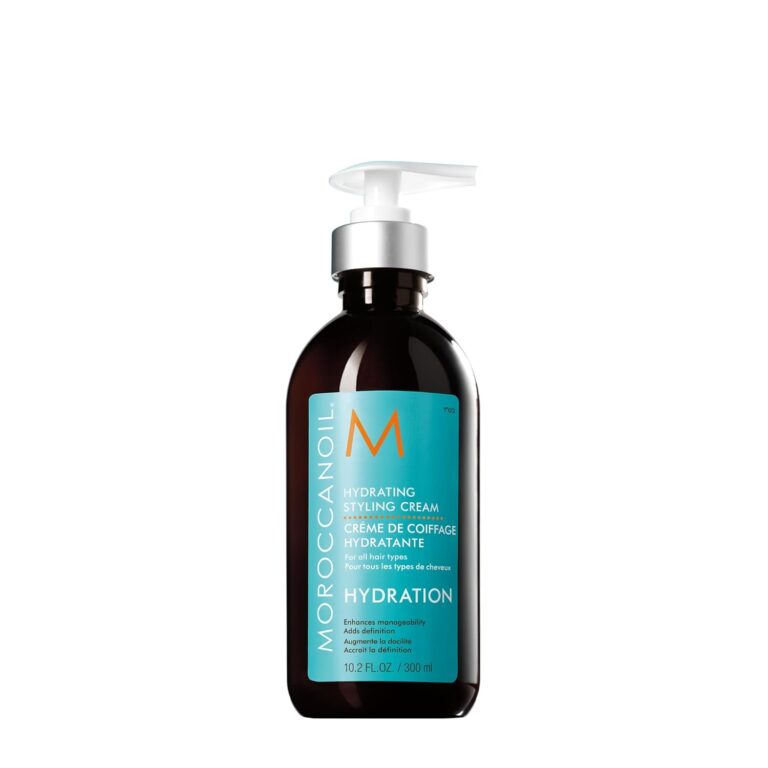
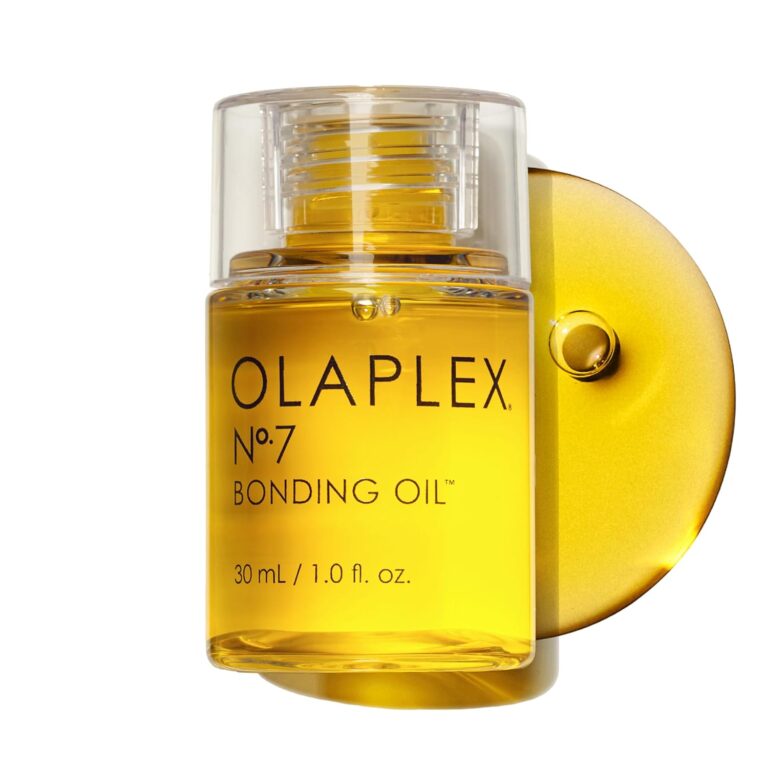
To restore moisture, look for products containing humectants like glycerin, aloe vera, and hyaluronic acid. These ingredients draw water into the hair shaft. Follow up with rich emollients like shea butter or argan oil to seal the cuticle and trap that hydration inside.
When to Focus on Protein
Protein-deprived hair feels overly soft, mushy, or stringy. It stretches endlessly when wet before finally breaking. This is the hallmark of severe chemical damage. Because bleach and relaxers destroy the keratin structure, you have to temporarily replace it.
Protein treatments fill in the gaps and tears along the damaged hair cuticle. Look for ingredients like hydrolyzed wheat protein, silk amino acids, and keratin. However, proceed with caution. Using protein treatments too frequently causes protein overload, making the hair rigid, brittle, and prone to snapping. Always follow a protein treatment with a hydrating conditioner to maintain the perfect balance.
The Magic of Bond-Building Technology
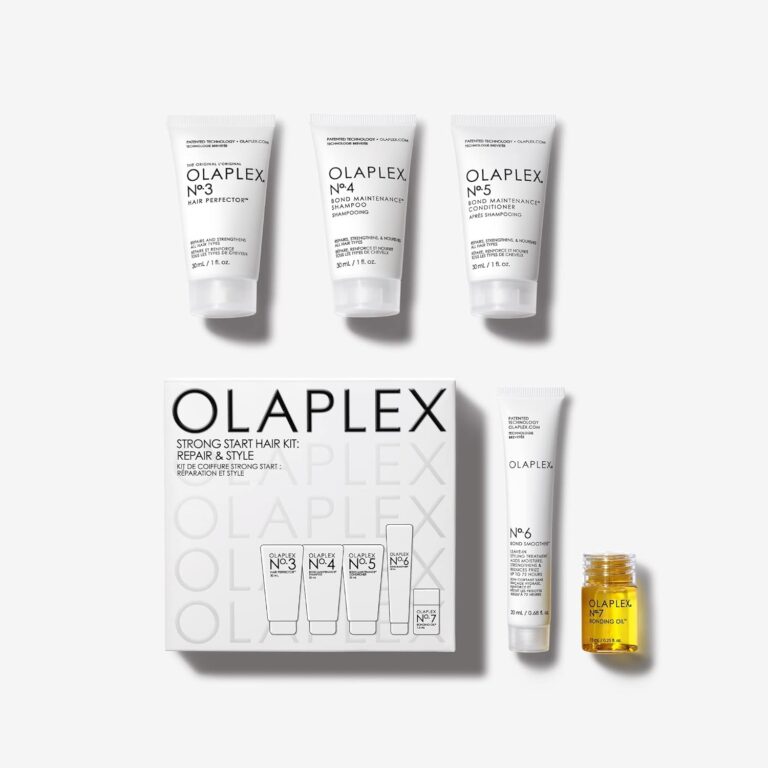
If you are researching how to repair damaged hair, you have undoubtedly come across bond-building treatments. Unlike traditional conditioners that merely coat the outside of the hair to make it feel soft, bond builders work on a molecular level.
Your hair contains millions of disulfide bonds that give it structure, strength, and stability. When you bleach or fry your hair with heat, these bonds break. Bond-building products contain patented active ingredients that seek out these broken bonds and link them back together.
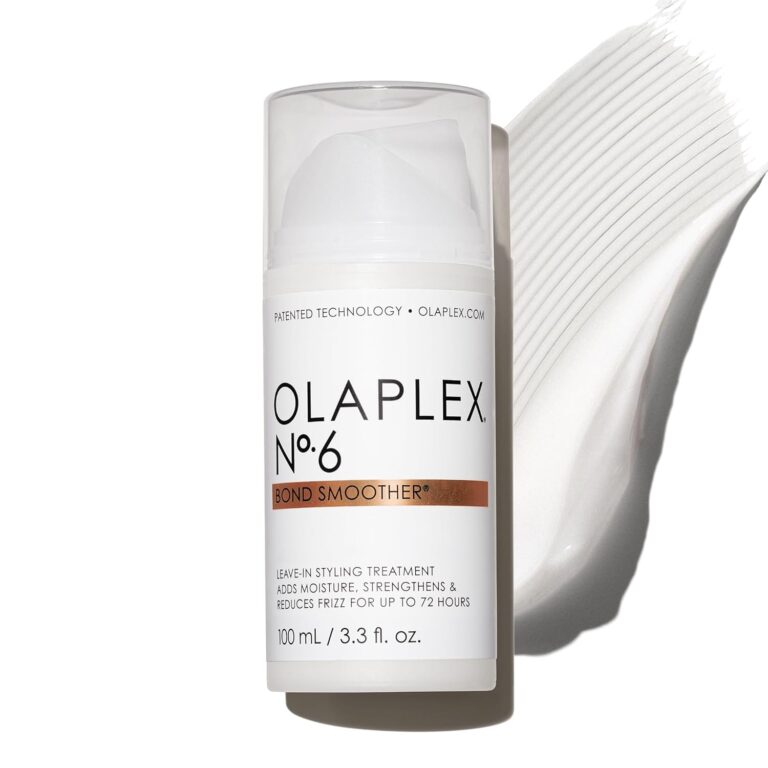
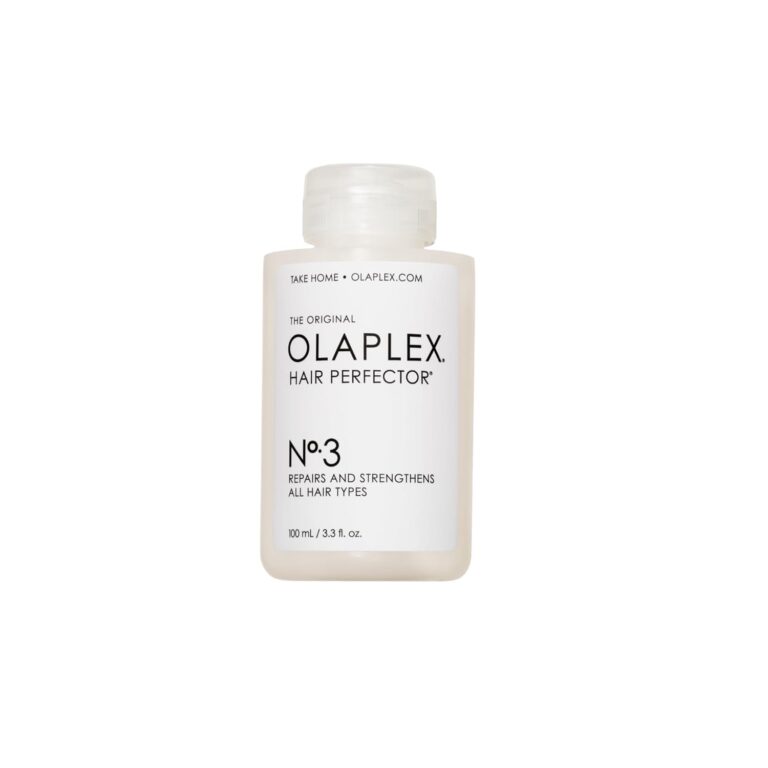
Incorporating a bond builder into your routine is a non-negotiable step for chemically treated hair. Apply the treatment to damp, unwashed hair, leave it on for the recommended time (often 10 to 30 minutes), and then shampoo and condition as usual. With consistent use, bond builders dramatically reduce breakage and restore the structural integrity of your strands.
Step-by-Step Treatments for Damaged Hair
Recovering from severe damage requires a multifaceted approach. You need professional interventions to stop the bleeding, combined with diligent at-home care to nurture new growth.
Professional In-Salon Treatments
Start your repair journey by visiting a trusted hairstylist. They can assess the exact level of damage and recommend professional-grade solutions.
- The Corrective Trim: You cannot save hair that is completely fried. Have a professional dust off the most severely damaged ends to prevent split ends from traveling further up the hair shaft.
- Professional Glosses: An acidic gloss treatment helps rebalance the pH of your hair, smoothing the cuticle down tightly to lock in moisture and color.
- Deep Repair Treatments: Salons have access to highly concentrated protein and moisture masks that penetrate deeper than drugstore alternatives.
Effective At-Home Remedies
What you do in the salon matters, but what you do in your own bathroom matters more. Build a gentle, restorative at-home routine.
- Pre-Poo Treatments: Before shampooing, apply a penetrating oil like coconut oil or a bond-building treatment to protect your fragile ends from the swelling that occurs during washing.
- Sulfate-Free Cleansing: Ditch harsh shampoos that strip away natural oils. Opt for a gentle, sulfate-free cleanser and focus solely on scrubbing your scalp, letting the suds gently wash over the lengths of your hair.
- Weekly Hair Masks: Swap your standard daily conditioner for a heavy-duty deep conditioning mask once a week. Apply it to damp hair, put on a shower cap, and let it sit for at least 20 minutes before rinsing with cool water.
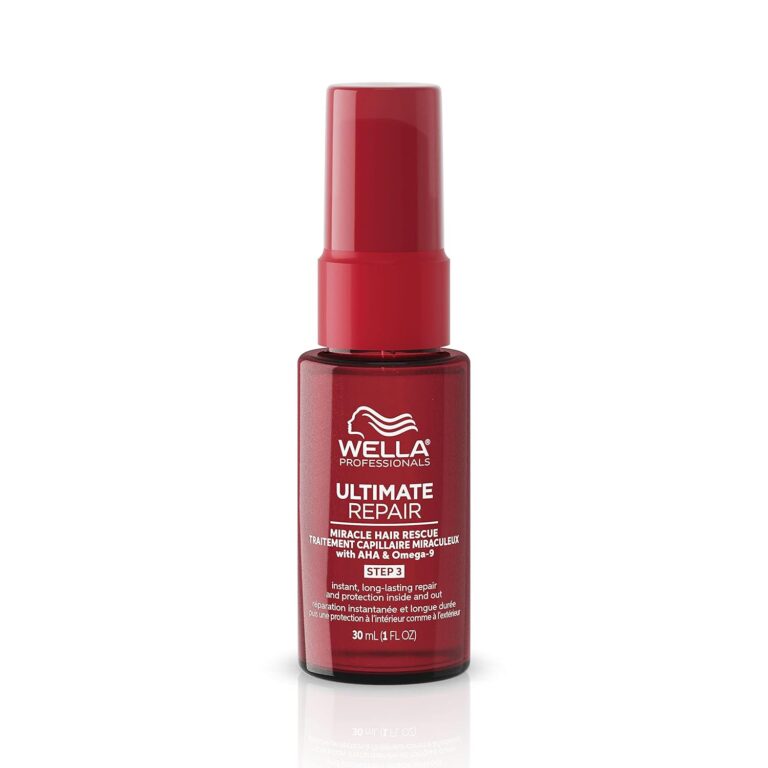
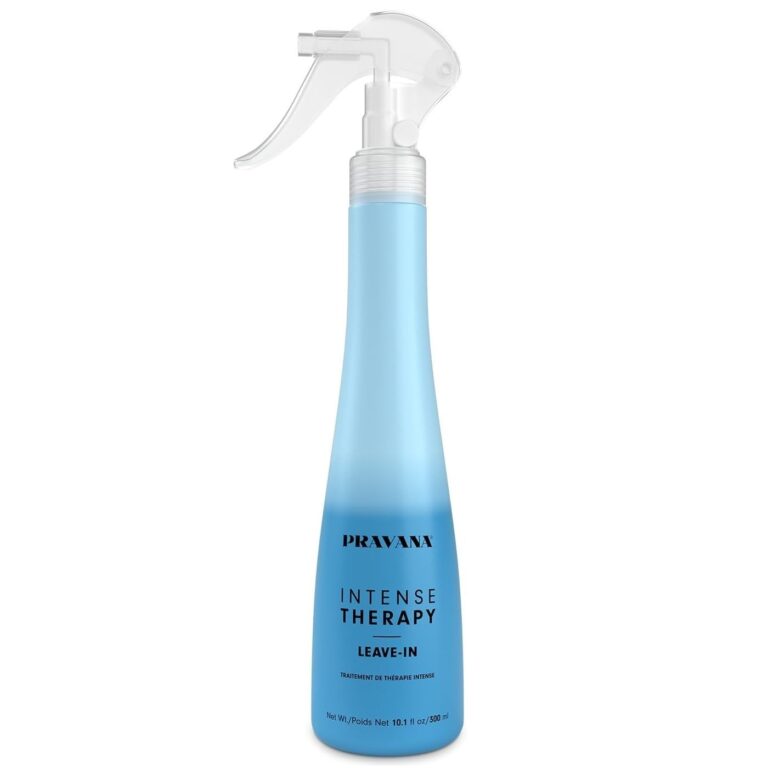
- Leave-In Protection: Never step out of the shower without applying a high-quality leave-in conditioner. This acts as a protective shield against daily environmental stressors.
Lifestyle Changes for Long-Term Hair Health
Topical treatments are only half the battle. True hair health starts from within and relies heavily on your daily habits. If you want to know how to repair damaged hair for good, you must make a few crucial lifestyle adjustments.
Optimize Your Diet
Your body views hair as non-essential. If you are not getting enough nutrients, your body will direct what little it has to your vital organs, leaving your hair follicles starved. Ensure you are consuming adequate amounts of high-quality protein, omega-3 fatty acids, iron, and zinc. Foods like salmon, eggs, spinach, and avocados are incredible for promoting strong hair growth.
Rethink Your Sleep Routine
Tossing and turning on a cotton pillowcase creates severe friction, roughing up the hair cuticle and causing micro-tears. Switch to a 100% silk or satin pillowcase. The smooth surface allows your hair to glide effortlessly while you sleep. Additionally, never go to bed with wet hair. Hair is at its most fragile state when wet, and sleeping on it almost guarantees massive breakage.
Embrace Heatless Styling
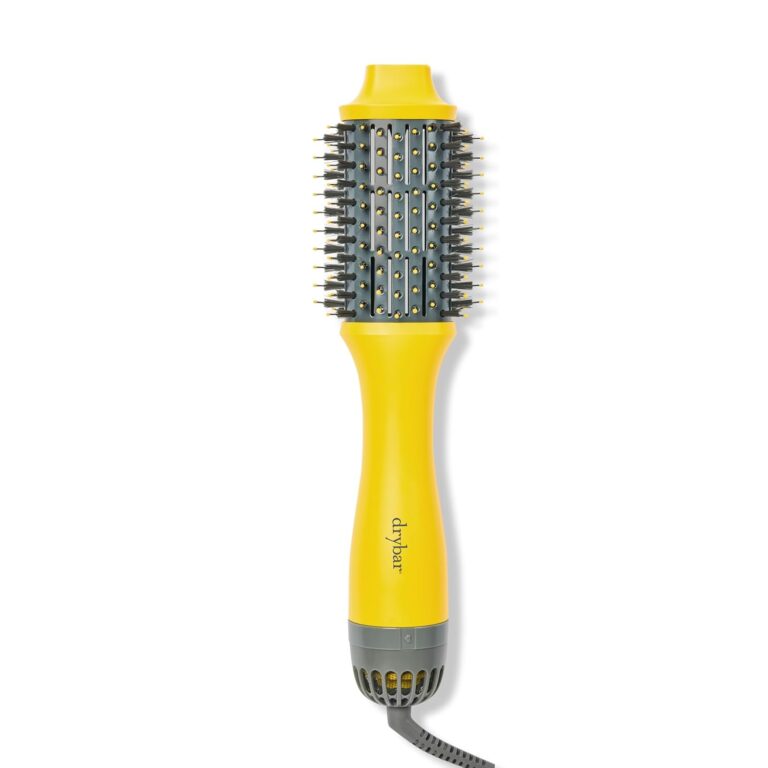
Give your hot tools a long vacation. While repairing your hair, try to air dry as often as possible. If you must use a blow dryer, use it on the lowest heat setting and always apply a premium thermal protectant spray beforehand. Experiment with heatless styling methods like overnight braids or silk curling rods to achieve beautiful styles without compromising your hair’s health.
Conclusion
Figuring out how to repair damaged hair can feel overwhelming, but it is a journey well worth taking. By identifying the root cause of your damage, balancing your moisture and protein levels, utilizing innovative bond-building technology, and treating your hair with absolute gentleness, you can orchestrate a massive turnaround. Be patient with your progress. Hair repair does not happen overnight, but with consistency and the right expert strategies, you will eventually achieve the strong, healthy, and resilient hair you deserve.
Frequently Asked Questions (FAQs)
Can split ends be cured?
No, split ends cannot be permanently cured, sealed, or fused back together. Once the physical structure of the hair fiber has split, the damage is permanent. While some serums and heavy conditioners can temporarily glue the frayed ends together to make them look smoother for a few hours, this is strictly a cosmetic illusion. The only real cure for split ends is to cut them off. Getting regular micro-trims every eight to twelve weeks prevents the split from traveling further up the hair shaft and causing more profound breakage.
How long does repair take?
The timeline for repairing damaged hair depends heavily on the severity of the damage and your consistency with treatments. If you are dealing with mild dryness from winter weather, a few deep conditioning sessions might show results in just two to three weeks. However, if you are recovering from severe bleach or heat damage, noticeable improvements to the texture and elasticity typically take three to six months of dedicated care. Complete recovery often requires waiting for new, healthy hair to fully grow in and replace the damaged lengths.
Should I just cut it all off?
The decision to do a “big chop” is deeply personal. If your hair is gummy, stretching and snapping instantly, and refusing to hold any moisture, cutting off the heavily damaged portions is often the fastest and most stress-free route to healthy hair. It immediately stops breakage from spreading and makes your daily styling routine much easier. However, if you are emotionally attached to your length and the damage is moderate, you can absolutely rehabilitate your hair using the bond-builders, protein treatments, and protective styling methods discussed in this guide. Take it one day at a time, get frequent small trims, and assess your progress.
https://www.profitableratecpm.com/hjxh6b80?key=9e65c3e44b1d7af1b5715b31bced7922