Walking down the hair care aisle often feels like navigating a maze. With thousands of serums, masks, and shampoos claiming to perform miracles, figuring out what your hair actually needs can easily become overwhelming. You might buy a top-rated product only to find it leaves your strands greasy, heavy, or completely dried out.
The truth is that great hair does not happen by accident. It happens through understanding your unique hair profile. Your hair type and porosity dictate exactly how your strands absorb moisture, hold their shape, and respond to damage.
This comprehensive guide breaks down the science of hair care. We will explore how to identify your porosity, build a tailored routine for your specific texture, and implement universal strategies for optimal scalp health. Most importantly, if you are struggling with breakage and dryness, we will show you exactly how to repair damaged hair using proven methods.
Understanding Hair Porosity
Before you can choose the right products, you need to understand your hair porosity. Porosity refers to your hair’s ability to absorb and retain moisture. It is determined by the flexible outer layer of your hair, known as the cuticle.
You can easily test your porosity at home. Take a clean, product-free strand of hair and drop it into a glass of water. If it floats at the top, you have low porosity. If it sinks slowly and rests in the middle, you have medium porosity. If it sinks straight to the bottom, you have high porosity.
Low Porosity Hair
Low porosity hair has tightly packed cuticles that lay flat. This structure makes it difficult for moisture to enter the hair shaft. However, once moisture gets in, it stays locked inside. People with low porosity hair often notice that products sit heavily on top of their strands rather than absorbing.
To care for low porosity hair, you need to use heat to open the cuticles. Applying warm water before conditioning allows the moisture to penetrate deeply. You should also reach for lightweight, liquid-based products rather than heavy butters or thick oils, which will only cause buildup.
Medium Porosity Hair
Medium porosity hair features cuticles that are slightly raised. This allows just the right amount of moisture to enter while preventing too much from escaping. This hair type generally requires the least amount of maintenance. It holds styles well, absorbs color predictably, and looks healthy with a basic, consistent routine.
High Porosity Hair
High porosity hair has cuticles that are widely spaced, raised, or chipped. This type of hair absorbs moisture incredibly fast, but it loses that moisture just as quickly. High porosity can be genetic, but it often results from chemical processing, environmental damage, or excessive heat styling.
If you have high porosity hair, your primary goal is sealing the cuticle. You need rich, heavy creams and sealing oils like castor or olive oil to trap hydration inside the hair shaft. Leave-in conditioners are also absolutely essential for keeping your strands protected throughout the day.
Tailored Routines for Every Hair Type
Hair falls into four primary categories: straight, wavy, curly, and coily. Each category requires a distinct approach to washing, conditioning, and styling.
Type 1: Straight Hair
Straight hair lacks a natural curl pattern, allowing the scalp’s natural oils (sebum) to travel quickly down the hair shaft. Because of this, straight hair tends to look greasy faster than other textures.
Your routine should focus on keeping the scalp clean and the hair voluminous. Wash your hair every other day using a gentle, sulfate-free volumizing shampoo. Apply conditioner strictly to the ends of your hair to avoid weighing down the roots. For styling, rely on lightweight mousses or texturizing sprays. Avoid heavy silicone-based serums, as they will instantly make your straight strands look flat and unwashed.
Type 2: Wavy Hair
Wavy hair forms an “S” shape and walks the line between straight and curly. It is prone to frizz and easily loses its definition if you use the wrong products.
Wavy hair needs a balance of moisture and lightweight hold. Wash your hair two to three times a week. Use a hydrating shampoo and a lightweight rinse-out conditioner. When you step out of the shower, apply a curl-enhancing cream or a light gel to soaking wet hair. Scrunch the product upward to encourage the wave pattern to form. Let your hair air dry, or use a diffuser attachment on your blow dryer using the cool setting to prevent heat damage.
Type 3: Curly Hair
Curly hair forms distinct loops, ringlets, or corkscrews. Because the hair spirals, scalp oils cannot travel down the shaft easily, making curly hair naturally prone to dryness and breakage.
Moisture is the foundation of a good curly hair routine. Limit your shampooing to once or twice a week to preserve natural oils. Consider using a co-wash (cleansing conditioner) between regular wash days. Always detangle your hair in the shower while it is saturated with a slippery conditioner. Use the “LOC” method to style: apply a Leave-in conditioner, followed by an Oil, and finish with a Cream to lock in hydration and define your beautiful curls.
Type 4: Coily Hair
Coily hair features very tight zig-zags or tightly coiled “Z” patterns. It experiences the highest amount of shrinkage when dry and is the most fragile of all hair types due to its delicate structure.
This hair type requires intense, consistent hydration. Wash your hair once a week or once every two weeks using a highly moisturizing, sulfate-free cleanser. Deep conditioning is a non-negotiable step for every single wash day. Use rich, thick products packed with shea butter, coconut oil, and aloe vera. Detangle with extreme care using your fingers or a wide-tooth comb.
How to Repair Damaged Hair: The Ultimate Rescue Plan
Whether from bleach, chemical relaxers, or daily flat ironing, damage happens. When the structural integrity of your hair is compromised, it becomes brittle, dull, and prone to snapping. Figuring out how to repair damaged hair requires a targeted approach that rebuilding internal strength and restoring external hydration.
Commit to Deep Conditioning
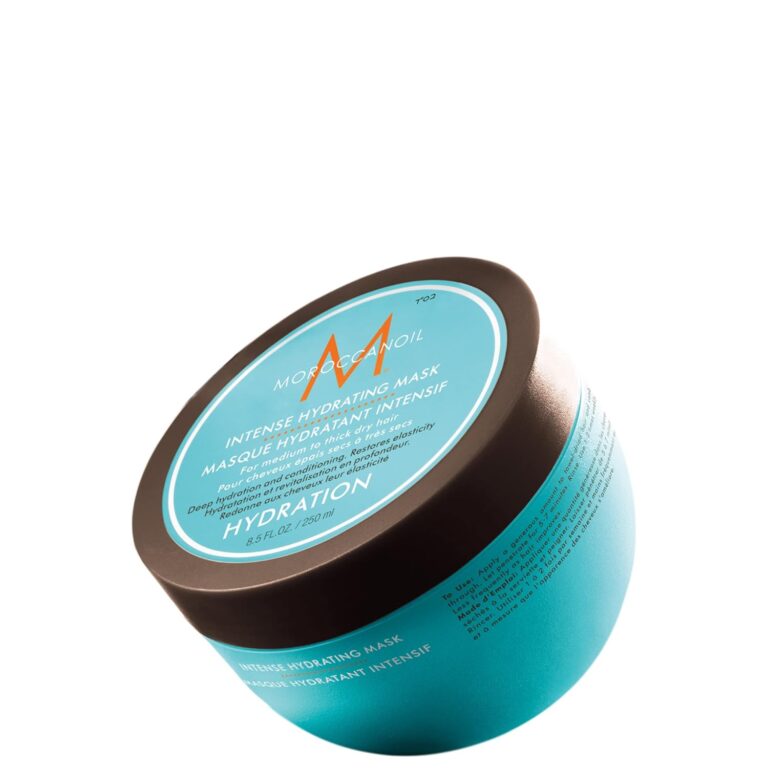
Damaged hair lacks moisture. When the cuticle is blown open by heat or chemicals, water escapes rapidly. To reverse this, you must incorporate weekly deep conditioning masks into your routine. Look for masks containing humectants like glycerin, honey, and hyaluronic acid. These ingredients pull moisture from the air and force it into your hair shaft. Apply the mask to damp hair, cover it with a shower cap, and let it sit for at least thirty minutes before rinsing thoroughly.
Incorporate Protein Treatments
Hair is made almost entirely of a protein called keratin. When hair is damaged, it actually develops microscopic holes and gaps along the hair shaft. Knowing how to repair damaged hair involves temporarily filling these gaps.
Protein treatments act like spackle on a damaged wall. They bind to the broken areas of the cuticle, fortifying the strand and stopping breakage in its tracks. Incorporate a mild protein treatment containing hydrolyzed wheat, soy, or silk proteins once or twice a month. Be careful not to overdo it; too much protein makes hair stiff and causes it to snap. Always follow a protein treatment with a heavy moisture mask to maintain balance.
Embrace Protective Styling
Mechanical damage from brushing, sleeping, and environmental exposure significantly worsens already compromised hair. Give your hair a break by utilizing protective styles.
Braids, buns, twists, and updos keep the fragile ends of your hair tucked away and safe from friction. When creating these styles, avoid pulling the hair too tight at the root, which causes tension alopecia. Furthermore, swap out your cotton pillowcase for a silk or satin one. Cotton creates intense friction while you sleep, whereas silk allows your hair to glide smoothly, preventing morning tangles and snapped ends.
Universal Strategies for Hair Health
No matter your hair type or porosity, certain practices universally promote healthier, stronger strands. Building good habits guarantees a better foundation for your hair to grow.
Prioritize Scalp Care
Healthy hair grows from a healthy scalp. Product buildup, dead skin, and excess oil clog hair follicles, leading to inflammation and stunted growth. Exfoliate your scalp once a week using a gentle chemical exfoliant formulated specifically for the head, or use a physical silicone scalp massager during your shampooing routine. Massaging the scalp also stimulates blood circulation, delivering vital nutrients directly to the hair roots.
Lower the Water Temperature
Steaming hot showers feel amazing, but they wreak havoc on your hair. Hot water lifts the hair cuticle, stripping away essential natural oils and leaving the hair shaft exposed and vulnerable. Always wash and rinse your hair with lukewarm water. If you can tolerate it, finish your shower with a quick blast of cold water. Cold water forces the cuticle to snap shut, locking in moisture and leaving your hair incredibly shiny.
Get Regular Trims
You cannot glue split ends back together. Once a strand splits, the damage travels upward like a run in a stocking. If you ignore split ends, they will eventually break off higher up the hair shaft, making your hair appear thinner and shorter over time. Schedule a micro-trim every eight to twelve weeks. Dusting off the bottom quarter-inch removes damaged ends before they have a chance to destroy the healthy hair above them.
Conclusion
Mastering your hair care routine is a journey of trial and error. By taking the time to understand your unique porosity and hair type, you stop fighting your natural texture and start working with it. Focus on keeping your scalp healthy, balancing your moisture and protein levels, and protecting your fragile ends. Implement these tailored strategies and damage-repair techniques consistently, and you will pave the way for the strongest, healthiest hair of your life.
Frequently Asked Questions (FAQs)
How often should I really wash my hair?
Washing frequency depends entirely on your hair type and lifestyle. Straight, fine hair often needs washing every one to two days to prevent grease buildup. Wavy hair typically thrives on two to three washes a week. Curly and coily hair requires much less frequent washing—usually once a week or every two weeks—to retain essential moisture. Adjust your schedule based on how your scalp feels and how much product you use.
Why is my hair suddenly falling out?
It is completely normal to shed between 50 and 100 hairs a day. However, if you notice a sudden, dramatic increase in shedding, it could be tied to several factors. Stress, hormonal changes, nutritional deficiencies, and certain medications frequently trigger temporary hair loss. Tight hairstyles that pull on the root also cause mechanical hair loss. If heavy shedding persists for more than a few months, consult a dermatologist to rule out underlying health conditions.
Can I fix split ends without cutting them?
No. Once the hair fiber splits, it is permanently fractured. Certain serums and heavy creams can temporarily smooth the cuticle and glue the split ends together, making them look healthier until your next wash. However, this is purely a cosmetic fix. The only way to permanently eliminate split ends and stop the damage from spreading up the hair shaft is to cut them off with sharp styling shears.
How do I know if my hair needs moisture or protein?
You can perform a simple stretch test to determine what your hair needs. Take a single wet strand of hair and gently pull it. If it stretches slightly and returns to its original length without breaking, it is perfectly balanced. If it stretches and stretches like a rubber band before finally snapping, it has too much moisture and needs a protein treatment. If it feels stiff, rough, and snaps immediately with no stretch at all, it needs deep hydration.
https://www.profitableratecpm.com/hjxh6b80?key=9e65c3e44b1d7af1b5715b31bced7922