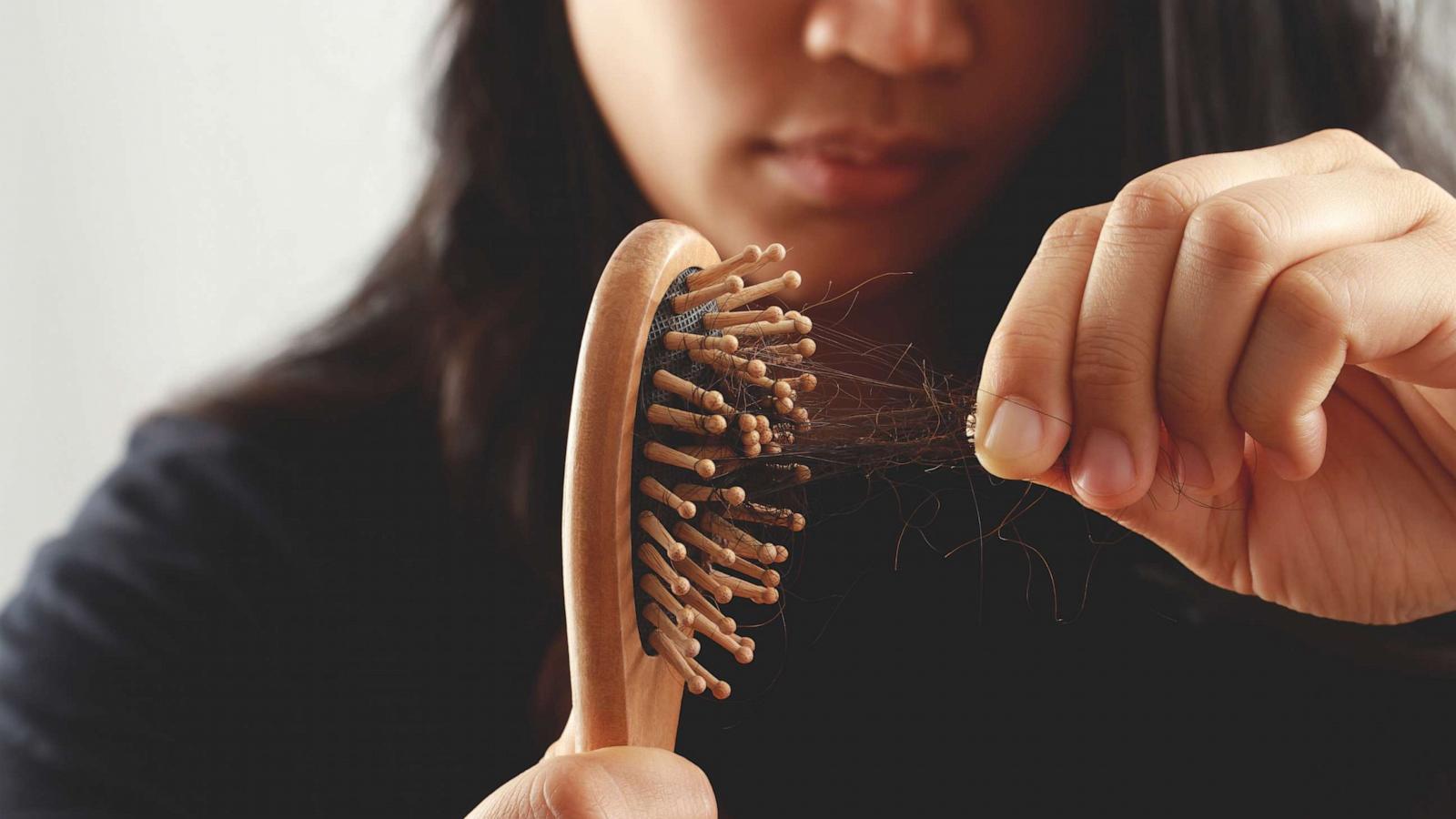
Noticing extra strands of hair on your pillow or in the shower drain causes instant stress. Hair fall affects millions of people, yet finding a reliable, gentle solution often feels overwhelming. You might find yourself staring at aisles of expensive serums and chemical treatments, wondering if a simpler path exists.
Nature provides powerful ingredients that nourish your scalp and strengthen your strands from the roots. You do not always need harsh chemicals to achieve thick, vibrant hair. By utilizing plants, oils, and botanical extracts, you can restore your hair’s natural growth cycle safely and effectively.
This guide explores the top five natural remedies for hair fall. We will break down exactly why these ingredients work and provide step-by-step instructions for using them. You will also learn the crucial link between scalp health and hair retention, as well as how to repair damaged hair using these holistic methods.
The Link Between Hair Damage and Hair Fall
Before exploring specific remedies, you must understand why hair falls out in the first place. Sometimes, what looks like hair loss at the root is actually severe breakage along the hair shaft. When your hair lacks moisture, protein, and elasticity, it snaps under the slightest tension.
Figuring out how to repair damaged hair is your first line of defense against thinning. Environmental stressors, tight hairstyles, and chemical processing strip away your hair’s protective outer layer, known as the cuticle. Once the cuticle lifts, the inner cortex becomes vulnerable. This weakness leads to fragile strands that break off long before they complete their natural growth cycle.
Furthermore, a compromised scalp directly causes hair fall. A dry, inflamed, or clogged scalp suffocates your hair follicles. If your scalp cannot breathe or receive adequate blood flow, the follicles shrink and eventually release the hair. The natural remedies below tackle both of these issues simultaneously. They heal the scalp environment while reinforcing the structural integrity of your strands.
1. Rosemary Oil: The Natural Growth Stimulator
Rosemary oil has gained massive popularity in recent years, and the hype is entirely justified. Studies show that rosemary oil performs exceptionally well when compared to common over-the-counter hair loss treatments, without causing the irritating side effects.
How It Works
Rosemary oil contains potent anti-inflammatory properties and promotes nerve growth. Most importantly, it dramatically improves blood circulation. When you apply rosemary oil to your scalp, it stimulates the blood vessels, forcing oxygen and essential nutrients directly into the hair follicles.
Additionally, rosemary oil acts as a natural DHT blocker. Dihydrotestosterone (DHT) is an androgen hormone that shrinks hair follicles and leads to thinning. By inhibiting DHT locally on the scalp, rosemary oil helps your follicles stay robust and productive. It also contains carnosic acid, which heals tissue and nerve damage, making it an excellent option for restoring a compromised scalp.
Application Guide
Never apply pure essential oils directly to your skin, as they will cause severe irritation. You must dilute rosemary oil with a carrier oil like jojoba, argan, or coconut oil.
- Mix five drops of pure rosemary essential oil with two tablespoons of your chosen carrier oil.
- Section your hair and apply the mixture directly to your scalp.
- Use your fingertips to massage the oil into your scalp for five to ten minutes using firm, circular motions.
- Distribute any remaining oil down the lengths of your hair to add shine and prevent split ends.
- Leave the treatment on for at least two hours. For deeper penetration, leave it on overnight and wash it out the next morning with a gentle shampoo.
2. Aloe Vera: The Scalp Soother
Aloe vera is a classic remedy with centuries of proven use in hair and skin care. If your hair fall stems from scalp irritation, dandruff, or excessive oil production, aloe vera provides immediate relief.
How It Works
Aloe vera contains proteolytic enzymes. These special enzymes repair dead skin cells on the scalp, eliminating dandruff and unclogging hair follicles blocked by excess sebum. When your follicles are clear, new hair can push through the surface much easier.
Furthermore, aloe vera deeply conditions the hair. It acts as a powerful humectant, pulling moisture from the air and drawing it into your strands. Hydrated hair is flexible hair. By increasing elasticity, aloe vera stops physical breakage and makes your strands highly resilient to daily styling friction.
Application Guide
Fresh aloe vera gel straight from the plant leaf yields the best results. If you must buy store-bought gel, ensure it is 100% pure without added alcohols or artificial fragrances.
- Slice open an aloe vera leaf and scrape out the clear gel using a spoon.
- Blend the gel in a food processor for a few seconds to remove any lumps and create a smooth liquid.
- Apply the gel directly to your scalp, focusing on areas with the most thinning or irritation.
- Smooth the remaining gel down the entire length of your hair.
- Let the treatment sit for 45 minutes to an hour before rinsing with lukewarm water and a mild cleanser. Repeat this process two to three times a week.
3. Onion Juice: The Sulfur Powerhouse
Putting onion juice on your head might sound unappealing, but it remains one of the most effective natural treatments for hair fall. Its unique chemical composition offers benefits that very few other plants can match.
How It Works
Hair is made of a protein called keratin, and keratin is incredibly rich in sulfur. Onion juice provides a massive dose of dietary sulfur to your hair follicles. This extra sulfur extends the growth phase of your hair cycle and provides the necessary building blocks for strong, thick strands.
Onion juice also contains high levels of antioxidants, specifically flavonoids like quercetin. These antioxidants protect your hair from free radicals and environmental damage. Additionally, the antibacterial properties of onion juice keep scalp infections at bay, ensuring a healthy environment for your hair to thrive.
Application Guide
The smell dissipates quickly once you wash your hair, so do not let the scent deter you from trying this potent remedy.
- Peel and chop one large onion into small pieces.
- Blend the pieces until they form a thick paste.
- Place a cheesecloth or a fine-mesh strainer over a bowl and squeeze the paste to extract the pure juice.
- Soak a cotton pad in the onion juice and dab it thoroughly across your scalp.
- Massage your scalp gently for a few minutes.
- Leave the juice on for 15 to 30 minutes.
- Wash your hair thoroughly with a fragrant, sulfate-free shampoo to remove the smell entirely. Use this treatment once a week.
4. Coconut Milk: The Protein Infusion
While many people use coconut oil, coconut milk often goes overlooked. However, coconut milk contains a different nutritional profile that targets hair fall from a structural angle.
How It Works
Coconut milk is packed with essential fats, proteins, and vitamins like niacin and folate. Because hair is entirely protein-based, applying a protein-rich substance like coconut milk helps reinforce weak spots along the hair cuticle.
When your hair starts thinning due to malnourishment or severe chemical damage, coconut milk steps in as a deeply restorative mask. The lauric acid in coconut milk easily penetrates the hair shaft, delivering moisture and nutrients directly into the cortex. This prevents the hair fiber from snapping and significantly reduces daily shedding.
Application Guide
You can extract fresh coconut milk at home or use a high-quality, unsweetened canned version from the grocery store.
- Warm half a cup of coconut milk slightly on the stove. Do not boil it; it should just be comfortably warm to the touch.
- Apply the warm milk directly to your roots and work it down to the tips of your hair.
- Put on a shower cap and wrap your head in a warm towel. The heat opens your hair cuticles, allowing the milk to penetrate deeply.
- Leave the mask on for 30 to 45 minutes.
- Rinse out with cool water and shampoo as usual. You can safely use this nourishing treatment once or twice a week.
5. Green Tea: The Antioxidant Shield
You likely know green tea as a healthy morning beverage, but its benefits extend far beyond digestion. Green tea serves as a fantastic topical treatment for excessive hair fall.
How It Works
Green tea is bursting with an antioxidant called epigallocatechin gallate (EGCG). EGCG actively stimulates hair follicles and prevents damage to skin and hair cells. Just like rosemary oil, the compounds in green tea also inhibit the activity of hormones that induce hair loss.
Additionally, using green tea as a rinse helps close the hair cuticle. An acidic rinse smoothes the outer layer of your hair, instantly boosting shine and trapping moisture inside. This makes your hair incredibly strong and highly resistant to tangles and breakage.
Application Guide
Green tea works best as a post-shower rinse to seal the hair and stimulate the scalp.
- Steep two to three green tea bags in two cups of hot water for about 15 minutes.
- Remove the tea bags and allow the liquid to cool down completely to room temperature. Never apply hot liquid to your scalp.
- Wash and condition your hair as you normally would.
- Pour the cooled green tea slowly over your scalp and hair as a final rinse.
- Gently massage the tea into your scalp for two minutes.
- Do not rinse it out with water. Let your hair air dry naturally to absorb all the antioxidants.
Comprehensive Application Tips for Natural Remedies
Knowing which ingredients to use is only half the battle. Your application techniques and daily habits dictate your overall success.
Always perform a patch test before applying any new ingredient to your entire scalp. Dab a small amount of the mixture onto your inner wrist or behind your ear and wait 24 hours. If you experience any redness, itching, or swelling, do not use the remedy on your head.
Consistency dictates your results. Natural remedies do not offer overnight miracles. They work by gradually altering the health of your cells and follicles. Choose one or two methods from this list and stick with them faithfully for at least three months. Bouncing randomly from one remedy to another will not give your scalp enough time to adapt and heal.
Finally, pair these topical treatments with a gentle physical routine. Invest in a soft, boar-bristle brush and detangle your hair starting from the bottom, working your way up slowly. Switch to a silk pillowcase to eliminate friction while you sleep. Gentle handling prevents physical breakage while your natural remedies get to work on the follicles.
Conclusion
Combating hair fall does not require a bathroom cabinet full of synthetic chemicals. By utilizing rosemary oil, aloe vera, onion juice, coconut milk, and green tea, you can create a highly effective, natural defense against thinning. These ingredients target the root causes of hair loss by soothing inflammation, stimulating blood flow, blocking harmful hormones, and rebuilding structural damage. Start integrating these simple, powerful remedies into your weekly routine today, and watch your hair transform into a strong, resilient, and vibrant crown.
Frequently Asked Questions (FAQs)
How long does it take to see results from natural remedies?
Hair growth is a slow biological process. Human hair grows an average of half an inch per month. When treating hair fall with natural remedies, you typically will not see new growth for about three to four months. However, you may notice a significant reduction in shedding and an improvement in your hair’s overall shine and strength within the first four to six weeks of consistent use.
Are natural treatments better than chemical ones?
Neither is universally “better,” as it depends on the root cause of your hair fall. Natural treatments are excellent for stress-induced hair fall, minor hormonal imbalances, scalp irritation, and mechanical damage. They carry very few side effects and promote overall scalp health. However, if you suffer from severe genetic alopecia or a diagnosed medical condition, you may require prescription chemical treatments. Many people find success by combining natural remedies with their doctor’s recommendations.
Can hair grow back after thinning?
Yes, in most cases, hair can grow back after thinning. If the hair follicle remains alive and intact, improving your scalp environment and nutritional intake will prompt the follicle to start producing hair again. However, if the follicle has scarred over or died completely—often seen in advanced stages of pattern baldness—topical remedies will not bring the hair back. Early intervention is critical for successful regrowth.
How often should I use these remedies?
The frequency depends on the specific remedy. Gentle treatments like aloe vera masks and green tea rinses can be used two to three times a week. Potent stimulators like rosemary oil or onion juice should generally be limited to once or twice a week to prevent overwhelming the scalp. Always monitor how your scalp reacts and adjust your frequency accordingly.
Will stopping natural treatments cause my hair to fall out again?
If your hair fall was caused by temporary factors like stress, a poor diet, or chemical damage, your hair will likely remain healthy once you repair the damage and stop the treatments. However, if you are using natural remedies to combat genetic thinning or chronic hormone imbalances, you must maintain your routine indefinitely. If you stop the treatments, the underlying condition will eventually resume, and the hair fall will return.
https://www.profitableratecpm.com/hjxh6b80?key=9e65c3e44b1d7af1b5715b31bced7922