Subtotal $0.00

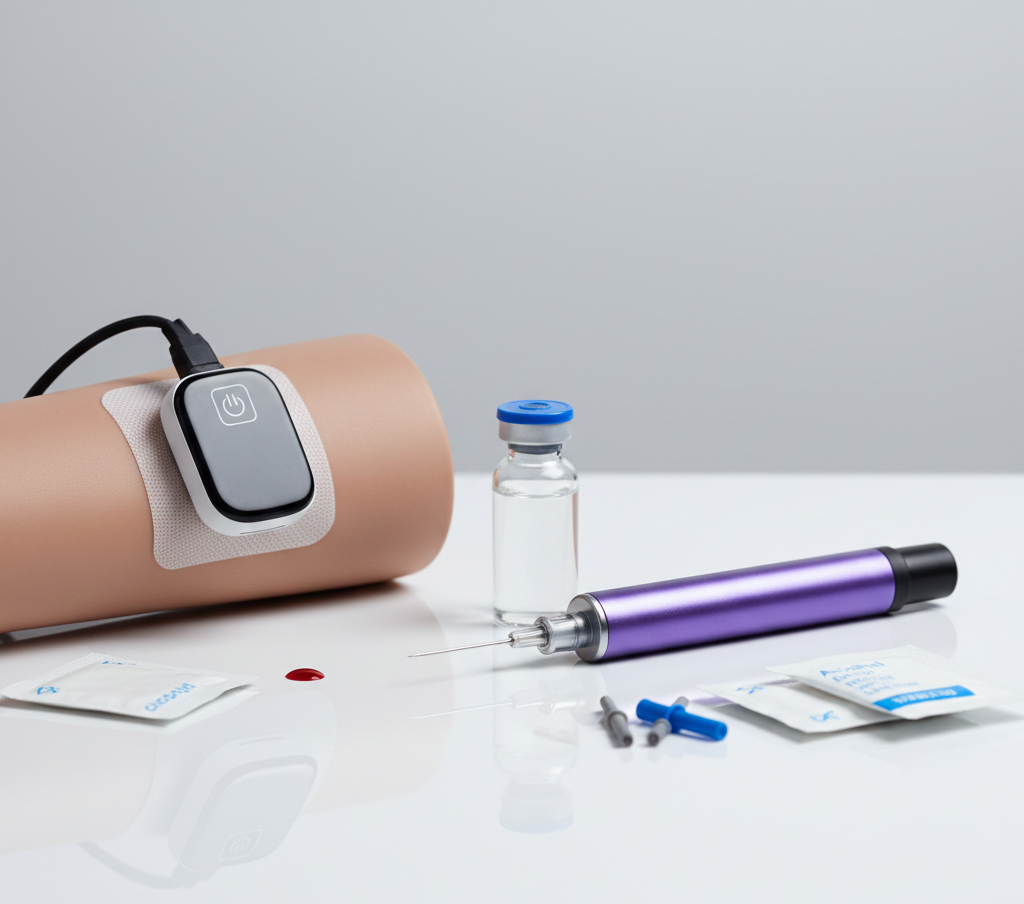
In today’s fast-paced world, people are becoming more proactive about their well-being. Instead of waiting for annual checkups, many individuals now monitor their health daily from the comfort of their homes. This shift has led to the rapid rise in popularity of health devices that are affordable, smart, and easy to use.
From tracking heart rate and sleep to monitoring blood sugar and blood pressure, these devices empower users to take control of their wellness. When combined with practical diet tips, these tools can dramatically improve overall health and lifestyle habits.
In this guide, we’ll explore the best health devices for home use, how they work, and how to pair them with smart diet choices for optimal results.
Why Health Devices Are Becoming Essential at Home
Modern health devices are no longer limited to hospitals and clinics. With advancements in wearable tech and smart sensors, home-based monitoring has become accurate and reliable.
People use these devices to:
-
Track vital signs in real-time
-
Detect early warning signs of illness
-
Monitor chronic conditions like diabetes and hypertension
-
Improve sleep, fitness, and diet habits
-
Reduce unnecessary doctor visits
When you can see your health data daily, you are more likely to make better lifestyle decisions especially regarding your eating habits and daily routine.
Top Health Devices You Should Consider for Home Use
1. Smart Blood Pressure Monitor
High blood pressure is known as the “silent killer.” A digital blood pressure monitor helps you track your readings regularly and detect abnormalities early.
Benefits:
-
Easy to use at home
-
Stores historical readings
-
Helps manage hypertension through lifestyle and diet changes
Diet Tip: Reduce salt intake and add potassium-rich foods like bananas and spinach.
2. Glucose Monitor (For Diabetics and Pre-Diabetics)
Continuous glucose monitors (CGMs) or standard glucometers are crucial health devices for those managing blood sugar levels.
Benefits:
-
Tracks glucose fluctuations
-
Helps understand how food affects sugar levels
-
Encourages better dietary choices
Diet Tip: Avoid refined carbs and switch to whole grains, vegetables, and high-fiber foods.
3. Fitness Tracker or Smartwatch
Fitness bands and smartwatches have become the most popular health devices worldwide.
Tracks:
-
Heart rate
-
Steps and activity
-
Sleep patterns
-
Calories burned
Diet Tip: Match your calorie intake with your activity level for balanced weight management.
4. Digital Weighing Scale with Body Composition
These smart scales measure more than just weight. They track:
-
Body fat percentage
-
Muscle mass
-
BMI
-
Water retention
Diet Tip: Increase protein intake and stay hydrated to improve muscle mass and reduce fat.
5. Pulse Oximeter
A small but powerful device that measures oxygen saturation levels in your blood.
Useful for:
-
Respiratory conditions
-
Post-COVID monitoring
-
Athletes tracking performance
Diet Tip: Iron-rich foods like lentils, beetroot, and leafy greens support better oxygen circulation.
6. Smart Thermometer
Modern thermometers connect to apps and track temperature trends over time.
Helpful for:
-
Children and elderly care
-
Tracking fever patterns
-
Early illness detection
Diet Tip: Stay hydrated and consume immunity-boosting foods like citrus fruits and ginger.
How Health Devices Improve Your Diet Habits
Most people struggle with diet because they don’t see immediate effects. Health devices provide real-time feedback, which motivates healthier eating.
For example:
-
Seeing high blood sugar after eating sweets encourages you to reduce sugar intake.
-
Watching your weight increase motivates better portion control.
-
Tracking poor sleep from overeating late at night promotes better meal timing.
These devices create awareness that naturally leads to healthier choices.
Best Diet Tips to Combine with Health Devices
To get the most benefit from your health devices, follow these simple diet tips:
1. Follow the 80/20 Rule
Eat healthy 80% of the time and enjoy treats occasionally.
2. Increase Fiber Intake
Fiber improves digestion, controls blood sugar, and helps weight loss.
3. Drink More Water
Many smart scales show water retention. Proper hydration improves all readings.
4. Reduce Processed Foods
Packaged foods often cause spikes in blood pressure, sugar, and weight.
5. Maintain Regular Meal Timings
Irregular eating patterns affect sleep, metabolism, and glucose levels.
Who Should Use Health Devices?
Health devices are beneficial for:
-
Working professionals with sedentary lifestyles
-
Elderly people needing daily monitoring
-
Diabetics and heart patients
-
Fitness enthusiasts
-
Anyone looking to improve their diet and lifestyle
You don’t have to be sick to use these devices. Prevention is always better than cure.
Things to Consider Before Buying Health Devices
Before purchasing, ensure:
-
The device is medically certified
-
It syncs with a mobile app
-
It stores historical data
-
It is easy to use
-
It has good battery life and reviews
Reliable data is crucial when making health decisions.
The Future of Health Devices
With AI and IoT integration, health devices are becoming smarter. Soon, they will:
-
Predict health risks before symptoms appear
-
Provide personalized diet tips based on your data
-
Connect directly with doctors for remote monitoring
The future of home healthcare is smart, connected, and preventive.
Conclusion
Health is no longer something we check once a year. With modern health devices, we can monitor our well-being daily and make informed decisions. When paired with practical diet tips, these devices become powerful tools for living a longer, healthier life.
Investing in the right health devices today can save you from major health issues tomorrow.
Take charge of your wellness right from your home.
FAQs About Health Devices
1. What are health devices used for at home?
Health devices help monitor vital signs like blood pressure, sugar levels, heart rate, sleep, and body weight from home.
2. Are health devices accurate?
Most medically certified devices provide highly accurate readings when used correctly.
3. Can health devices help improve diet habits?
Yes. They provide real-time feedback that encourages better food choices and lifestyle changes.
4. Which health device is most important for daily use?
A fitness tracker, blood pressure monitor, and smart weighing scale are the most useful for daily monitoring.
5. Are these devices suitable for elderly people?
Yes, many health devices are designed specifically for easy use by seniors.
6. How often should I use health devices?
Daily or weekly monitoring is recommended depending on the device and your health condition.
7. Do I still need regular doctor visits if I use health devices?
Yes. These devices support monitoring but do not replace professional medical advice.
8. Can health devices detect early health problems?
They can show abnormal patterns early, helping you seek medical help before issues worsen.