Living in United States California, I learned about sun damage the hard way. After spending summers outdoors without proper protection, I noticed dark patches forming on my cheeks by my mid-twenties that took months to fade. That experience made me obsessive about sunscreen. I tested over 30 different formulas across three years to find what actually works for our climate and skin tones.
This guide is everything I wish someone had told me earlier. Whether you’re dealing with hyperpigmentation, trying to prevent early aging, or just confused about SPF numbers, I’ll break it down practically no jargon, no fluff.
Understanding the Science Behind Ultraviolet Radiation
To effectively defend yourself, you must first understand the specific types of solar energy that reach the surface of the earth. The sun emits various forms of light, but ultraviolet radiation creates the most significant biological changes within our cellular tissue. We primarily focus on two distinct categories of ultraviolet light, known as UVA and UVB rays. Each type penetrates the epidermis differently and causes distinct forms of damage over time.
UVA rays account for the vast majority of the ultraviolet radiation reaching our planet. These specific rays maintain a consistent intensity throughout the entire year, regardless of the season or the current weather conditions. They possess long wavelengths that easily penetrate through heavy cloud cover, thick atmospheric layers, and even standard glass windows. Because they reach deeply into the thickest layers of the dermis, UVA rays directly attack your structural proteins. They actively break down collagen and elastin fibers, leading directly to the formation of deep wrinkles, sagging, and a leathery texture. Scientists refer to this highly destructive process as photoaging.
On the other hand, UVB rays possess a much shorter wavelength and primarily affect the outermost surface layers of the epidermis. The intensity of UVB radiation fluctuates depending on the time of day, the current season, and your geographical location relative to the equator. These specific rays are the primary culprits behind painful sunburns and immediate visible damage. Furthermore, UVB radiation directly damages cellular DNA, making it a leading cause of severe dermatological mutations and skin cancers. You need a comprehensive defense strategy that actively blocks both of these destructive wavelengths to maintain optimal cellular health and vitality.
The Critical Importance of Sun Protection Factor
When you browse the aisles of your favorite beauty store, you constantly see the acronym SPF plastered across various bottles and tubes. Sun Protection Factor acts as a universal measurement system that indicates exactly how well a specific formula defends your body against UVB radiation. Many consumers misunderstand what this number actually represents, assuming it dictates the amount of time they can safely spend outdoors. In reality, the SPF rating measures the specific fraction of sunburn-producing UV rays that actually reach your epidermis when you apply the formula correctly.
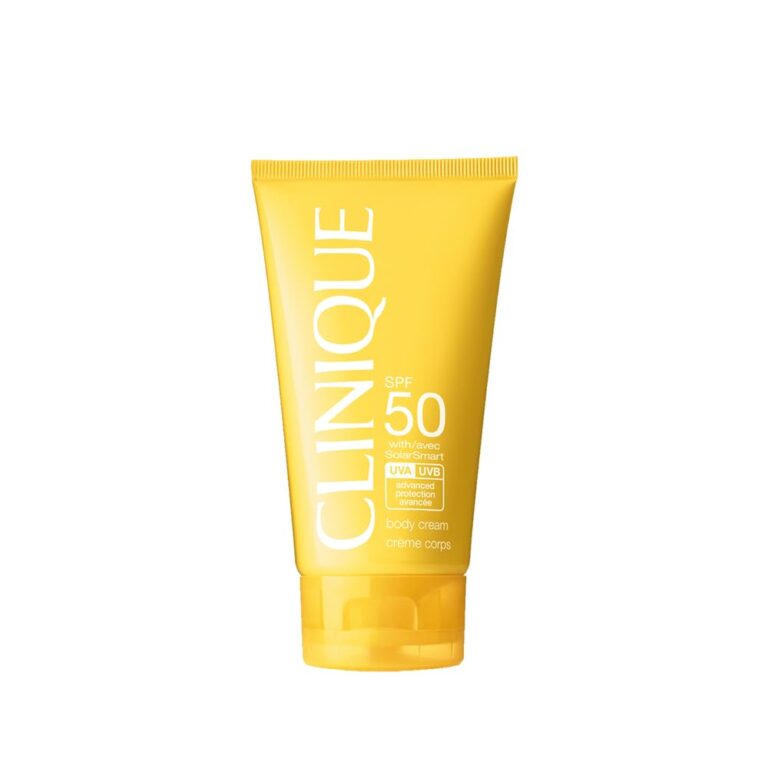
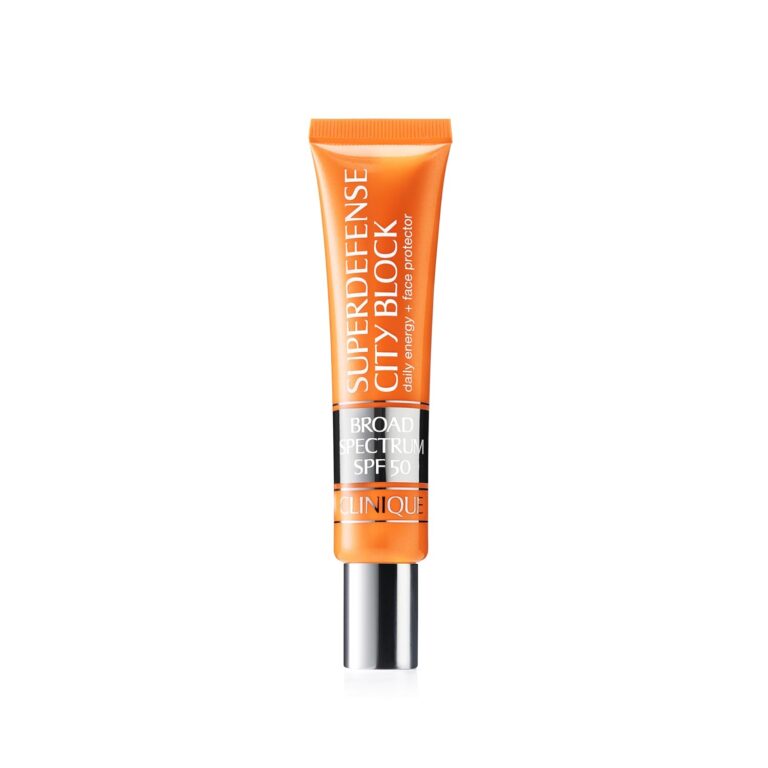
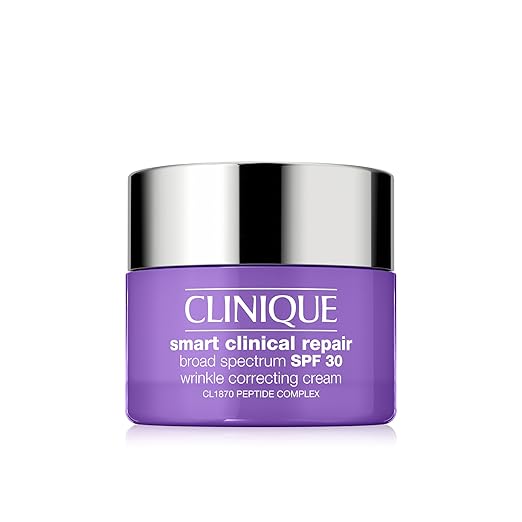
For example, a formula rated at SPF 30 allows exactly one-thirtieth of the sun’s UVB rays to penetrate your protective barrier. This means it actively filters out approximately ninety-seven percent of the incoming radiation. Bumping up to an SPF 50 increases that filtration rate to about ninety-eight percent. While the numerical difference between thirty and fifty seems significant, the actual increase in protection is relatively marginal. Dermatologists universally recommend utilizing an SPF of at least thirty for adequate daily protection. However, the most critical factor is not just the number printed on the bottle, but the phrase “broad-spectrum” located right next to it.
Broad-spectrum indicates that the formulation successfully defends against both the burning UVB rays and the aging UVA rays. Without this crucial designation, you might prevent a painful sunburn while still allowing massive amounts of deep cellular damage to occur silently beneath the surface. Achieving the protection level advertised on the bottle requires applying an adequate, generous layer of the formula across all exposed areas. Most people apply less than half the required amount, severely compromising their protective shield. You must commit to generous, even application and strict reapplication every two hours to maintain the integrity of your defensive barrier throughout the entire day.
Decoding Chemical Versus Physical Sunscreens
The cosmetic industry categorizes ultraviolet defense formulas into two primary classifications based entirely on their active filtering ingredients. Understanding the fundamental differences between chemical and physical formulations empowers you to select the absolute best skincare products for your specific individual needs. Neither category is inherently superior to the other, but they operate using entirely different scientific mechanisms to achieve the same protective goal.
Chemical sunscreens contain organic carbon-based compounds like avobenzone, octinoxate, and octocrylene. These specific ingredients actively absorb ultraviolet radiation before it can penetrate and damage your healthy cells. Once the chemical filters absorb the incoming solar energy, a chemical reaction occurs that transforms the destructive UV rays into harmless heat. Your body then naturally releases this heat away from the surface. Chemical formulas remain highly popular because they typically boast an incredibly lightweight, elegant texture. They absorb quickly into the tissue without leaving any frustrating white cast or heavy residue behind. This cosmetically elegant finish makes them exceptionally easy to layer beautifully underneath your daily makeup application.
Physical sunscreens, frequently referred to as mineral formulas, rely on fine mineral powders like zinc oxide and titanium dioxide. These natural minerals sit directly on the outermost surface of the epidermis, acting as a physical shield. They actively reflect and scatter the incoming ultraviolet radiation away from your body, much like a microscopic mirror. Mineral formulas naturally provide broad-spectrum protection and begin working the exact moment you spread them across your face. Individuals with highly sensitive or reactive complexions frequently prefer physical formulas because the active minerals rarely cause irritation or painful stinging. Advancements in cosmetic chemistry have allowed formulators to micronize these minerals, significantly reducing the heavy white cast that previously plagued older mineral formulations.
Integrating Sun Defense into Your Daily Routine
Establishing a robust daily defense requires seamlessly integrating effective sun protection into your morning ritual. Consistency remains the ultimate key to preventing cumulative solar damage. You should treat your protective formulas as the final, non-negotiable step of your morning regimen, applied immediately after your favorite moisturizers and serums.
Applying your protective shield correctly requires adequate volume. Experts generally recommend using approximately half a teaspoon of the formula to adequately cover your entire face and neck area. You should massage the product gently and evenly into the tissue, allowing it several minutes to set completely before moving on to cosmetic applications. When you incorporate various skincare products like antioxidant-rich Vitamin C serums beneath your protective layer, you actually boost your defensive capabilities. Antioxidants actively neutralize the stray free radicals that manage to slip past your primary ultraviolet filters, providing a brilliant secondary layer of cellular defense.
Remember that your lips, the delicate skin around your eyes, the tops of your ears, and the back of your neck require just as much attention as your cheeks and forehead. You should invest in specialized protective lip balms and highly emollient formulas specifically designed for the fragile eye contour. Building a habit of complete, comprehensive application guarantees that no vulnerable areas remain exposed to daily environmental aggressors.
Essential Post-Sun Care and Barrier Restoration
Even with the most meticulous preventative measures in place, spending extended periods outdoors requires a dedicated post-sun recovery strategy. Exposure to elevated temperatures, salty ocean water, chlorinated pools, and intense light naturally depletes your cellular moisture reservoirs and weakens your delicate lipid barrier. Proper post-sun care focuses intensely on replenishing lost hydration, calming acute inflammation, and supplying the tissue with the necessary building blocks to repair superficial damage.
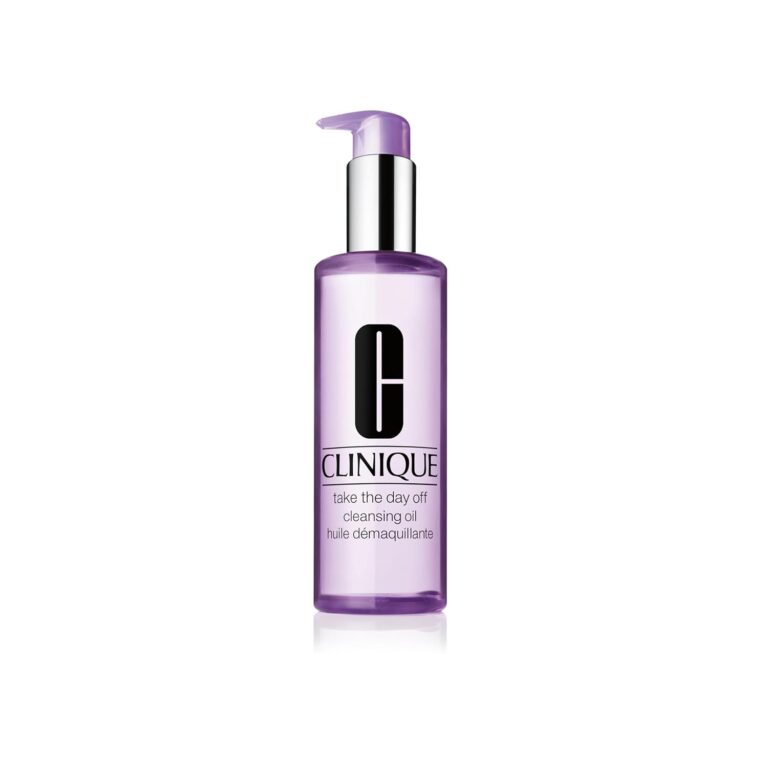
When you return indoors, you should immediately cleanse your face and body to remove the remnants of chemical or mineral filters, sweat, and environmental debris. You must avoid harsh, stripping surfactants and opt instead for gentle, nourishing cleansing oils or hydrating milks. Once the tissue is clean, generously apply restorative skincare products focused on deep hydration. Ingredients like pure aloe vera, intensely hydrating hyaluronic acid, and calming centella asiatica work incredibly well to draw moisture back into the depleted cells.
If you happen to experience a mild sunburn due to missed spots or inadequate reapplication, shift your focus entirely to soothing and cooling the affected areas. Avoid any active exfoliating ingredients, powerful retinoids, or heavy occlusive ointments that can trap heat within the tissue. Instead, rely on cool compresses and lightweight, ceramide-rich lotions to support your body’s natural healing processes. Giving your barrier the proper nourishment it requires after intense exposure ensures your complexion remains resilient and healthy for the next day.
Conclusion
Guarding your cellular health against the immense power of solar radiation stands as the most vital aspect of long-term wellness and beauty. By deeply understanding the biological impact of UVA and UVB rays, you gain a profound appreciation for the necessity of a broad-spectrum shield. Whether you ultimately prefer the lightweight elegance of chemical filters or the gentle reflection of physical minerals, the most effective formula is simply the one you commit to applying generously every single day. Take the time to thoughtfully integrate premium skincare products into both your preventative morning routine and your restorative evening rituals. When you prioritize consistent, comprehensive protection, you actively preserve the youthful vitality of your complexion and secure your dermatological health for decades to come.
Frequently Asked Questions
Do I really need to wear sun protection when it is raining or completely cloudy outside?
You absolutely must wear proper protection regardless of the weather conditions outside. While heavy clouds do manage to filter out a portion of the burning UVB rays, up to eighty percent of the deeply penetrating UVA rays easily push through the cloud cover and reach your face. These specific wavelengths are responsible for breaking down your collagen and accelerating premature aging. Making application a daily, non-negotiable habit ensures you remain completely protected from this silent, invisible damage every single day of the year.
Can I just rely on the protective factor included in my liquid foundation or daily makeup?
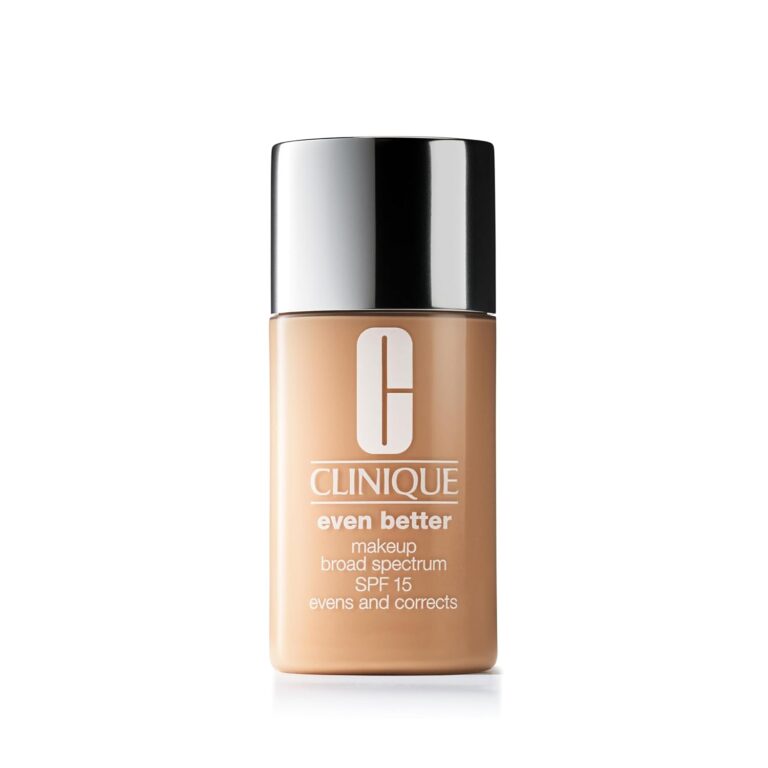
Relying solely on cosmetic formulations for your primary defense leaves your cells incredibly vulnerable to significant damage. To actually achieve the protective rating printed on the bottle of your foundation, you would need to apply a massively thick, unwearable layer of makeup. Most individuals apply only a tiny fraction of the required volume when using tinted cosmetics. You should always apply a dedicated, standalone protective formula generously across your entire face, allowing it to absorb completely before carefully layering your preferred cosmetics over the top.
How am I supposed to reapply my protective formulas every two hours without completely ruining my makeup?
Reapplication over a finished cosmetic look presents a unique challenge, but the beauty industry has developed excellent solutions for this exact scenario. You do not need to wash your face and start completely over. Instead, you can utilize innovative protective powders or fine mist sprays specifically designed for reapplication. You simply dust the mineral powder over your face or spray an even layer of the fine mist directly over your makeup. These convenient formats allow you to instantly refresh your defensive shield throughout the afternoon without disturbing the cosmetics sitting underneath.
Does wearing a protective shield every day prevent my body from producing enough Vitamin D?
Clinical studies consistently demonstrate that daily, proper use of protective formulas does not lead to significant deficiencies in Vitamin D levels. Your body requires only a very minimal amount of unprotected solar exposure to synthesize adequate amounts of this essential vitamin. Furthermore, most people naturally receive enough incidental light exposure on their hands and arms during quick daily tasks to trigger this natural production. If you remain concerned about your internal vitamin levels, healthcare professionals strongly advise utilizing high-quality dietary supplements rather than purposely exposing your delicate skin to cancer-causing radiation.
What is the actual difference between water-resistant and waterproof formulas?
Regulatory agencies strictly prohibit the term waterproof because no formula can remain entirely impervious to water indefinitely. Instead, formulas earn a water-resistant designation, which legally indicates how long the product maintains its stated protective rating while you are swimming or sweating heavily. A standard water-resistant label usually guarantees protection for forty minutes in the water, while a highly water-resistant label guarantees up to eighty minutes of defense. Regardless of the specific designation on the bottle, you must proactively reapply your protection immediately after you finish swimming, sweating profusely, or aggressively towel-drying your body.