We have all heard them. The old wives’ tales passed down from grandmothers, the miraculous “hacks” spread across social media, and the aggressive marketing claims on shampoo bottles. Navigating the world of hair care often feels like walking through a maze of conflicting information. Should you brush your hair exactly one hundred times before bed? Does washing with freezing cold water actually make your strands shinier?
Most of these widely accepted rules are entirely based on fiction. When you follow bad advice, you do more than just waste your time and money. You actively compromise the health of your scalp and the structural integrity of your strands. If you are constantly battling frizz, breakage, and dullness, the culprit might be the very “healthy” habits you force yourself to maintain.
It is time to look at the science of hair anatomy. This comprehensive guide separates fact from fiction by dissecting the most stubborn hair care myths. We will explore the biological realities of your scalp and provide actionable, expert-level advice on what genuinely produces results. Most importantly, if you are struggling with severe breakage, we will explain exactly how to repair damaged hair using proven, science-backed methods.
Myth 1: Trimming Your Hair Makes It Grow Faster
This is perhaps the most persistent myth in the entire beauty industry. The idea suggests that cutting the ends of your hair somehow sends a signal to your scalp to speed up production.
Hair grows from the follicles embedded in your scalp, not from the ends. The visible hair on your head is biologically dead tissue made of a protein called keratin. Because the ends of your hair are completely disconnected from your nervous and circulatory systems, cutting them has absolutely zero biological impact on the follicle’s growth cycle.
So why does this myth persist? Because trimming creates the illusion of faster growth. When you neglect haircuts, your ends split and break off at the same rate your hair grows from the root. This makes your hair appear stagnant. Trimming stops the breakage, allowing you to actually retain the length your scalp produces.
What Really Works
If you want to maximize your hair’s length, you must focus on retention rather than speeding up biological growth. Schedule a “dusting” or micro-trim every eight to twelve weeks. This removes the frayed ends before they can split further up the hair shaft.
To actually support your hair follicles, focus on internal nutrition and scalp stimulation. Eat a diet rich in high-quality proteins, omega-3 fatty acids, and iron. Incorporate a daily five-minute scalp massage using your fingertips or a silicone massager. Massaging stimulates blood flow, delivering essential oxygen and nutrients directly to the root, which keeps the follicle functioning at its absolute best.
Myth 2: Brushing 100 Strokes a Day Leads to Healthy Hair
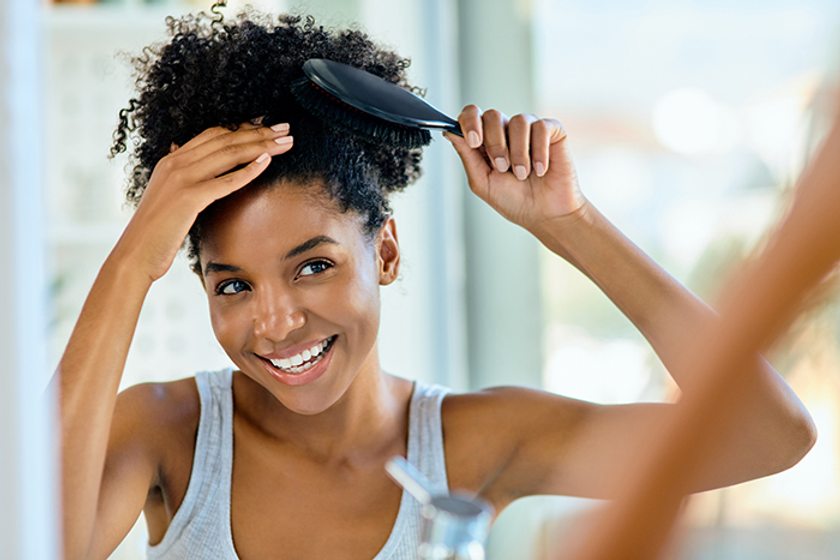
Old Hollywood movies often feature starlets sitting at vanity mirrors, aggressively brushing their hair stroke after stroke. The theory claims that excessive brushing distributes natural oils and makes hair incredibly shiny.
In reality, brushing your hair 100 times a day is a guaranteed recipe for severe mechanical damage. Every time you pull a brush through your hair, you create friction. This friction lifts the protective outer layer of your hair, known as the cuticle. Continuous, aggressive brushing eventually strips the cuticle away entirely, leaving the fragile inner cortex exposed and highly vulnerable to snapping.
Excessive brushing also pulls unnecessarily on the hair follicle. This constant tension can lead to traction alopecia, a form of hair loss caused by physical stress on the root.
What Really Works
You only need to brush your hair enough to remove tangles and style it. For most people, a few gentle strokes in the morning and evening are more than sufficient.
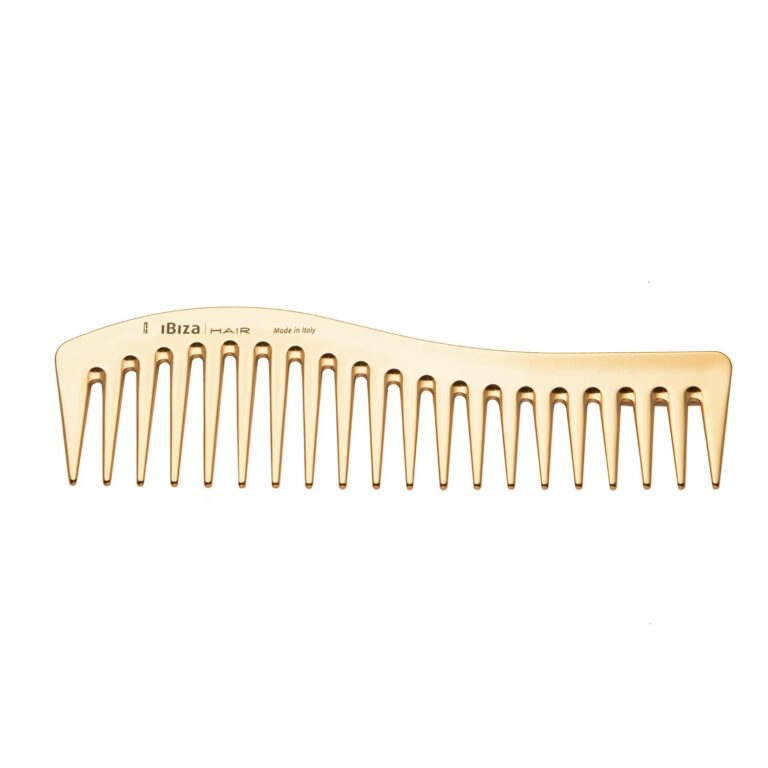
When you do brush, your technique matters immensely. Never rip a standard paddle brush through soaking wet hair, as wet hair stretches and snaps easily. Instead, use a wide-tooth comb or a flexible wet-detangling brush. Always start at the very ends of your hair and gently work your way up toward the roots. This prevents you from pushing small knots into massive, unbreakable mats.
Myth 3: Cold Water Closes Your Hair Cuticles and Pores
Many people endure freezing cold showers based on the belief that cold water “shuts” the hair cuticle and closes scalp pores, thereby locking in moisture and creating massive shine.
First, pores do not have muscles. They cannot open and close like doors in response to temperature changes. Second, while extremely hot water can swell the hair shaft and lift the cuticle, cold water does not magically glue the cuticle shut. The pH level of the products you use has a far more significant impact on the state of your hair cuticle than the temperature of your shower water.
Subjecting yourself to an ice-cold rinse is largely unnecessary. In fact, moderately warm water is much better at breaking down excess sebum, dissolving product buildup, and thoroughly cleansing the scalp environment.
What Really Works
Instead of freezing yourself, wash and rinse your hair with lukewarm water. Lukewarm water effectively cleanses the scalp without boiling the moisture out of your strands.
If you want a smooth, sealed cuticle that reflects light, rely on chemistry rather than temperature. Use pH-balanced shampoos and conditioners. The natural pH of your hair is slightly acidic, hovering around 4.5 to 5.5. Applying slightly acidic products naturally smooths the cuticle down, reducing frizz and amplifying your natural shine without the need for an uncomfortable cold plunge.
Myth 4: Plucking One Gray Hair Causes Two to Grow Back
Finding your first gray hair often triggers a moment of panic, immediately followed by the urge to reach for the tweezers. However, the old warning that plucking a gray hair causes multiple grays to sprout in its place is entirely false.
Each hair follicle on your head operates independently and can only produce one single strand of hair. Plucking one hair out of a follicle does not magically create a second or third follicle nearby.
When you pluck a hair, it will eventually grow back. By the time it does, the surrounding hairs might have also naturally lost their pigment due to aging or genetics. This creates the visual illusion that the gray hair “spread,” when in reality, it is simply the natural progression of time.
What Really Works
While plucking will not multiply your grays, you should still avoid doing it. Repeatedly yanking hair out by the root traumatizes the follicle. Over time, this trauma causes the follicle to scar over and stop producing hair altogether, leaving you with permanent bald patches.
If you want to manage gray hairs, your best option is to dye them, highlight them to blend the color, or simply embrace them. If you only have one or two pesky grays that you cannot stand looking at, use a pair of small grooming scissors to carefully snip them off close to the root. This removes the visual annoyance without damaging the underlying follicle.
Myth 5: You Can Permanently Mend Split Ends
Walk down any beauty aisle, and you will see dozens of serums, creams, and masks claiming to permanently heal and fuse split ends back together. This is a masterful marketing illusion.
Once the physical structure of a hair fiber fractures and splits, the damage is completely irreversible. Hair is not a living tissue like your skin; it cannot regenerate cells to heal a wound. When a strand splits, the protective cuticle is gone.
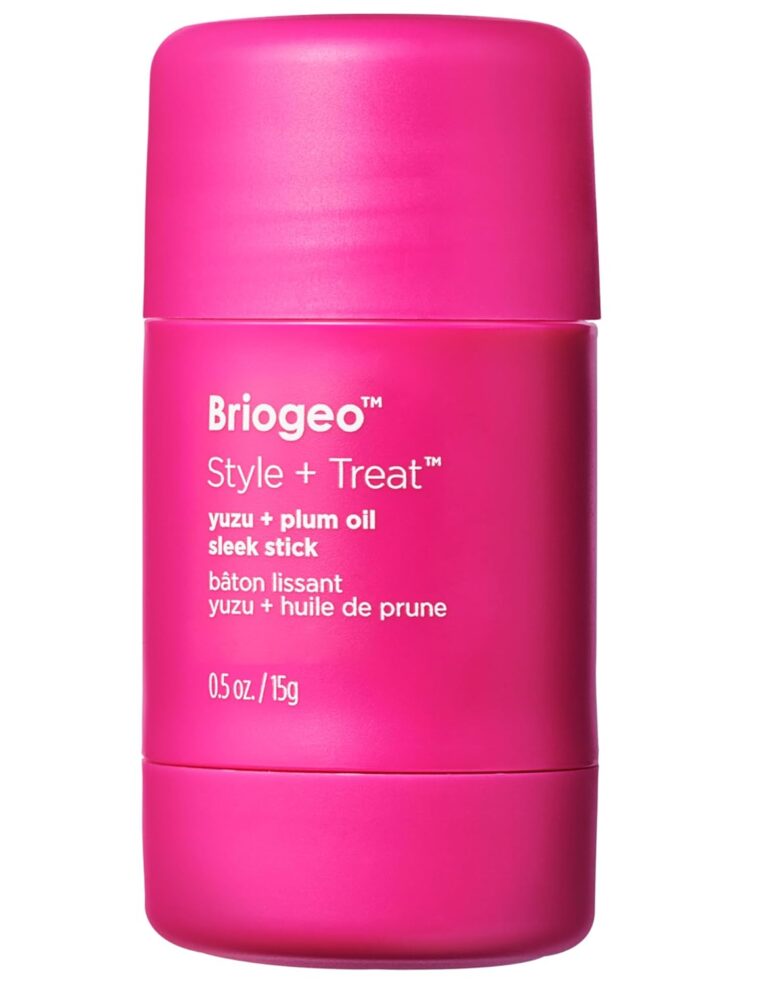
Split end menders and heavy silicones act like temporary cosmetic glue. They coat the frayed ends, smoothing them down and sticking them together so they look healthy for a few hours. However, the moment you wash your hair, the glue washes away, and the split ends return. If ignored, that tiny split will travel all the way up the hair shaft, destroying the entire strand.
What Really Works
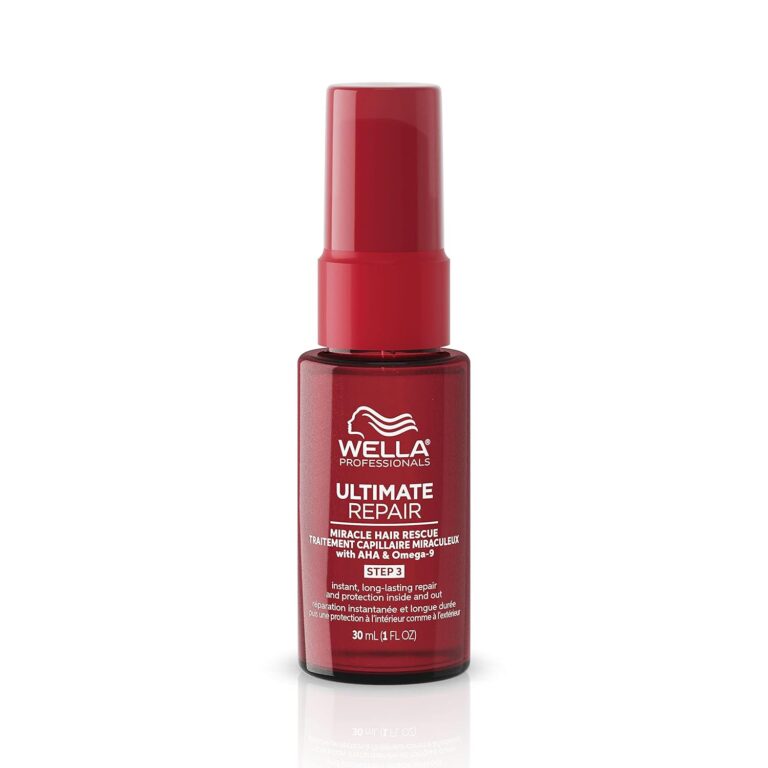
The only actual cure for a split end is a pair of sharp styling shears. You must cut the damage off to stop it from spreading. However, if you are experiencing severe breakage higher up the shaft and want to know how to repair damaged hair structurally, you need to look beyond temporary serums.
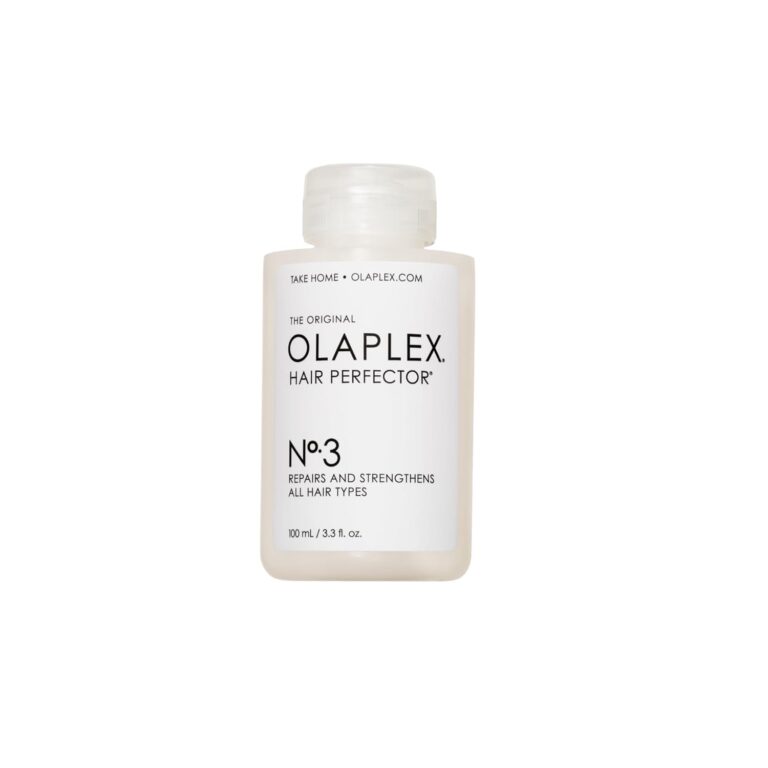
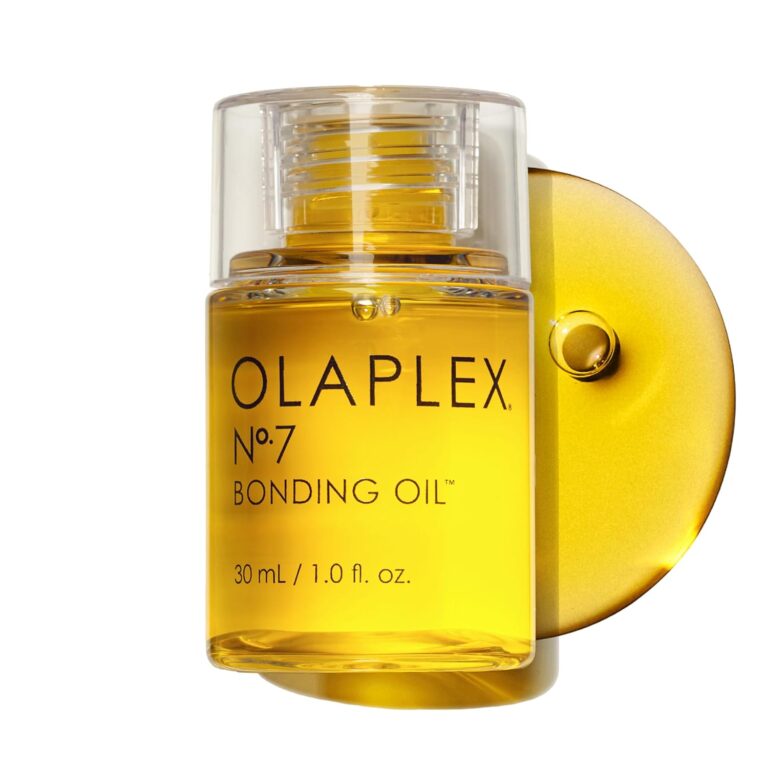
To actually repair damaged hair, you must address the broken internal bonds. Invest in a scientifically proven bond-building treatment. These formulas penetrate the hair shaft and link broken disulfide bonds back together, restoring the hair’s internal strength and elasticity. Pair this with a high-quality protein mask containing hydrolyzed keratin to temporarily patch the microscopic holes along the compromised cuticle. By combining regular trims with deep structural repair treatments, you can rehabilitate your hair from severe chemical or heat trauma.
Conclusion
Achieving strong, vibrant hair does not require enduring freezing showers or aggressively brushing your scalp. It simply requires a basic understanding of hair biology and a healthy dose of skepticism when evaluating beauty claims.
Stop relying on myths that cause unnecessary mechanical stress and emotional frustration. Focus on the factual science of hair care: gentle handling, consistent trimming, pH-balanced hydration, and structural repair when necessary. By adopting a routine grounded in reality, you will stop fighting your hair and finally start giving it exactly what it needs to thrive.
Frequently Asked Questions (FAQs)
Does wearing a hat cause hair loss?
No, wearing a standard hat does not cause hair loss. Hair loss is primarily driven by genetics, hormones, stress, and nutritional deficiencies. The only way a hat could contribute to hair loss is if it is worn excessively tight, constantly rubbing against the scalp and pulling on the hair follicles. This physical tension can cause traction alopecia. As long as your hat fits comfortably, your hair is perfectly safe.
Should I switch shampoos regularly so my hair doesn’t get used to it?
Hair is dead tissue; it does not have the cognitive ability to build a “tolerance” to your shampoo. If your favorite shampoo suddenly stops working, it is usually due to a change in your environment, water quality, or product buildup on your scalp. Instead of constantly buying new shampoos, try incorporating a clarifying shampoo into your routine once a month to strip away hard water minerals and product residue.
Does washing your hair every day strip it of natural oils?
This depends entirely on your hair type and the harshness of your cleanser. If you have fine, straight hair and an oily scalp, washing daily with a gentle, sulfate-free shampoo is perfectly healthy and often necessary. However, if you have thick, curly, or dry hair, washing daily will indeed strip away essential sebum, leaving your strands brittle. Adjust your wash schedule based on your scalp’s oil production, not arbitrary rules.
How do I really know if my hair is damaged or just dry?
Dry hair lacks moisture and feels rough, but it generally maintains its elasticity and natural shape. Damaged hair has a compromised physical structure. To test this, take a single wet strand and stretch it gently. If it stretches slightly and bounces back, it is healthy but might just need a hydrating conditioner. If it stretches endlessly and feels gummy before snapping, it is structurally damaged and requires immediate protein and bond-building treatments.
Can stress actually make my hair fall out?
Yes, severe emotional or physical stress can trigger a condition called telogen effluvium. Stress hormones shock your hair follicles, prematurely pushing a large number of them out of the growth phase and into the resting phase. Approximately three months after the stressful event, those resting hairs shed rapidly. The good news is that this type of hair loss is usually temporary. Once you manage the underlying stress, the hair follicles return to their normal cycle and regrow.