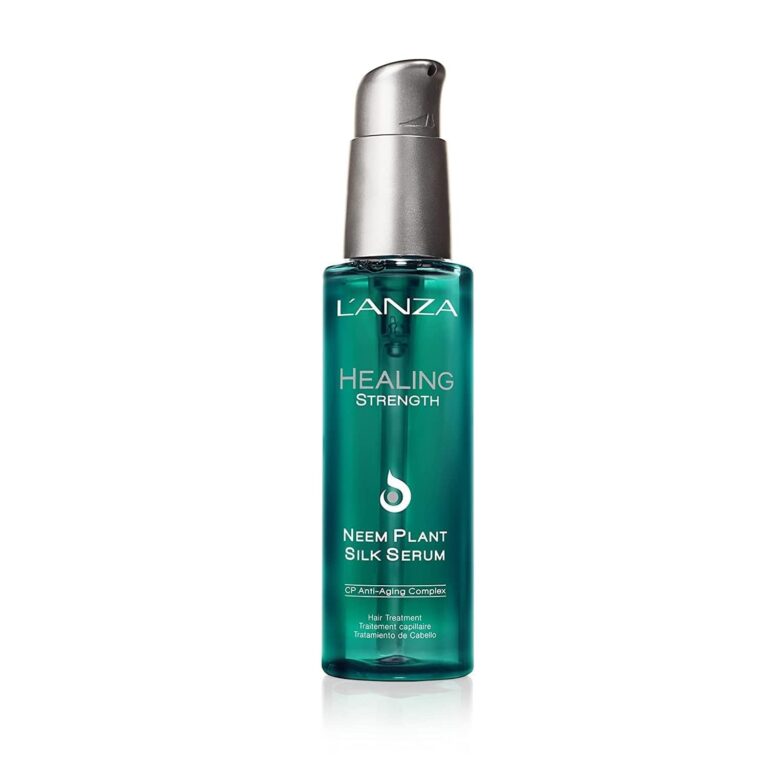
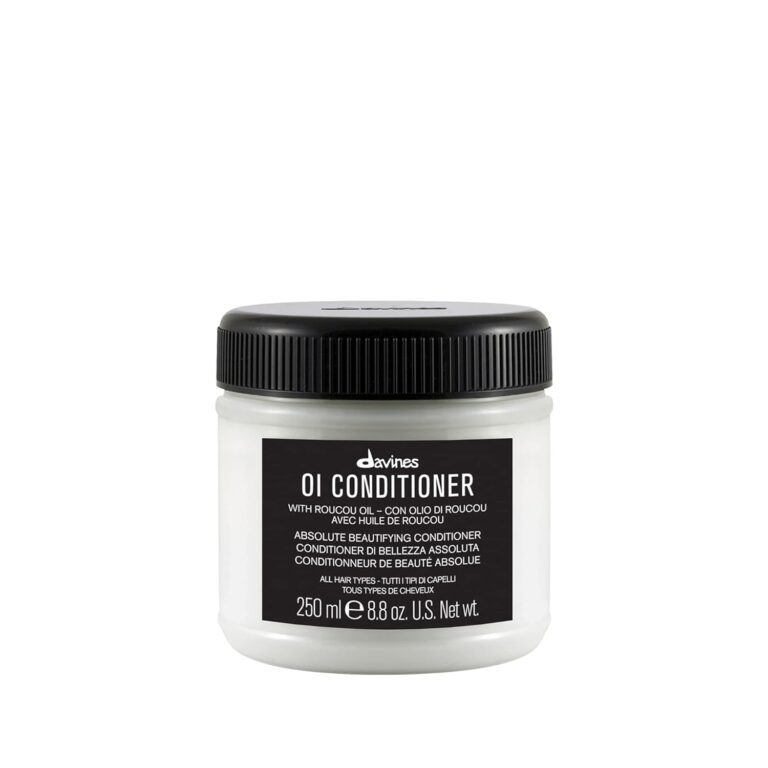
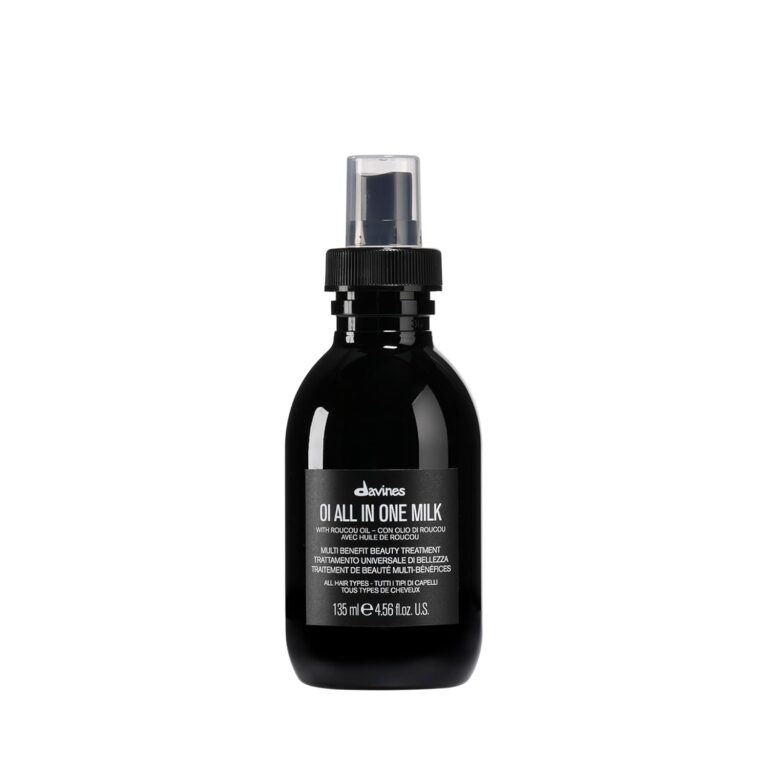
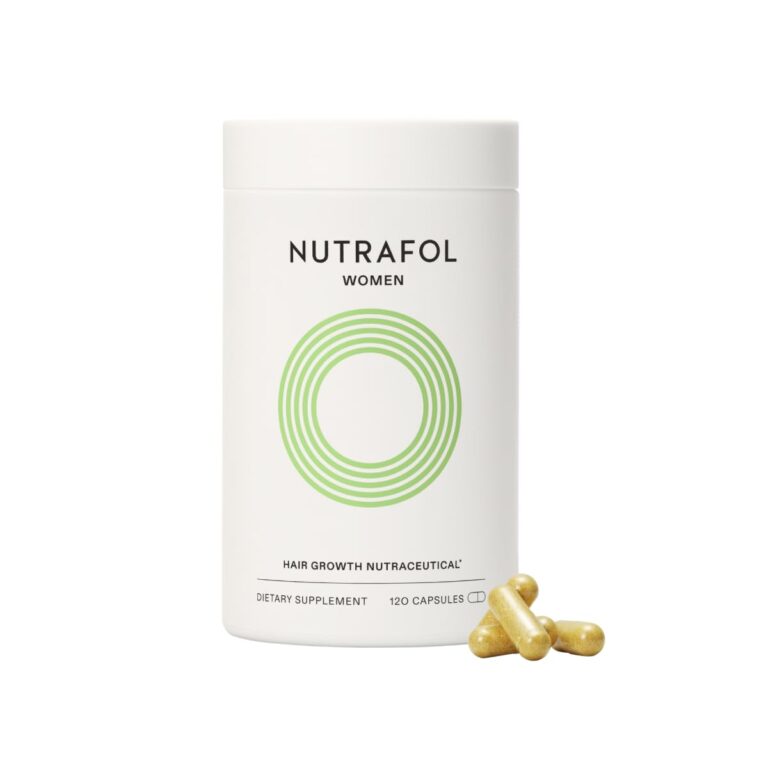
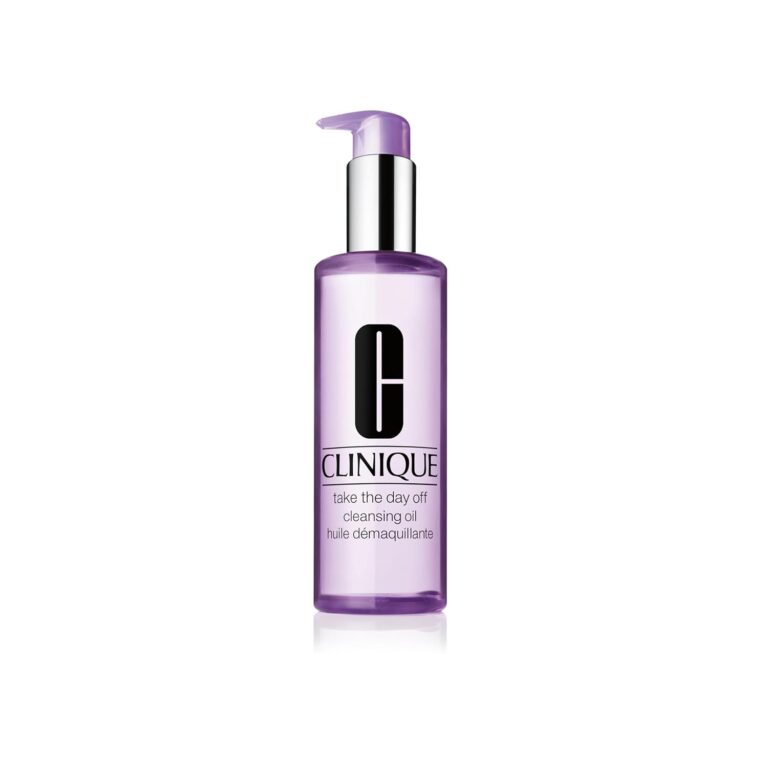
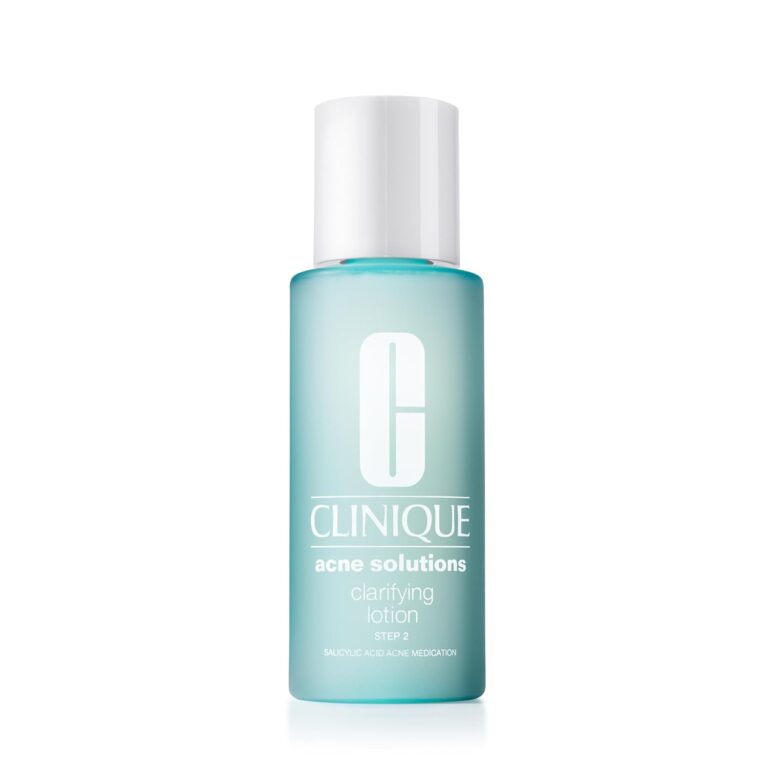
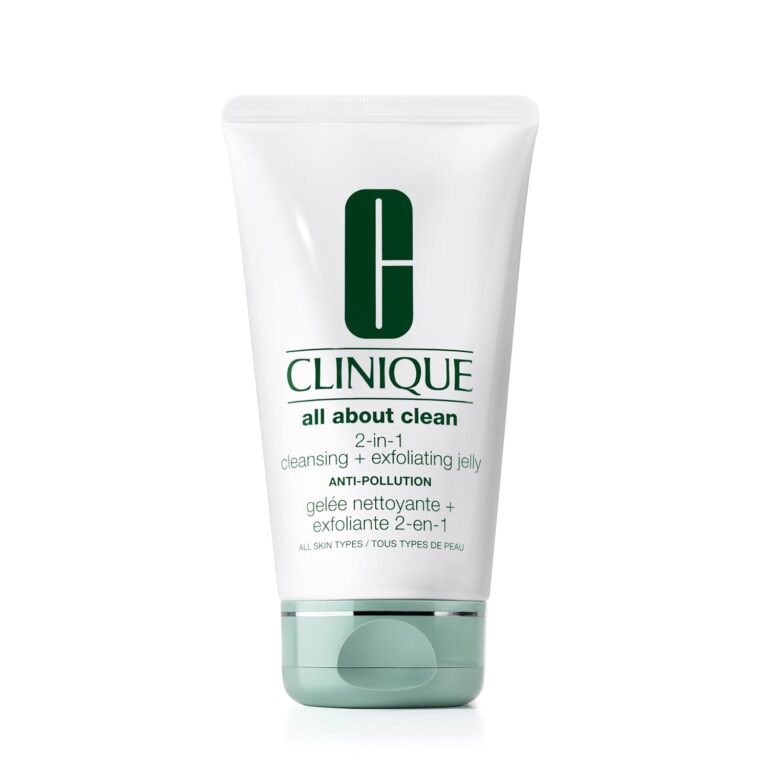
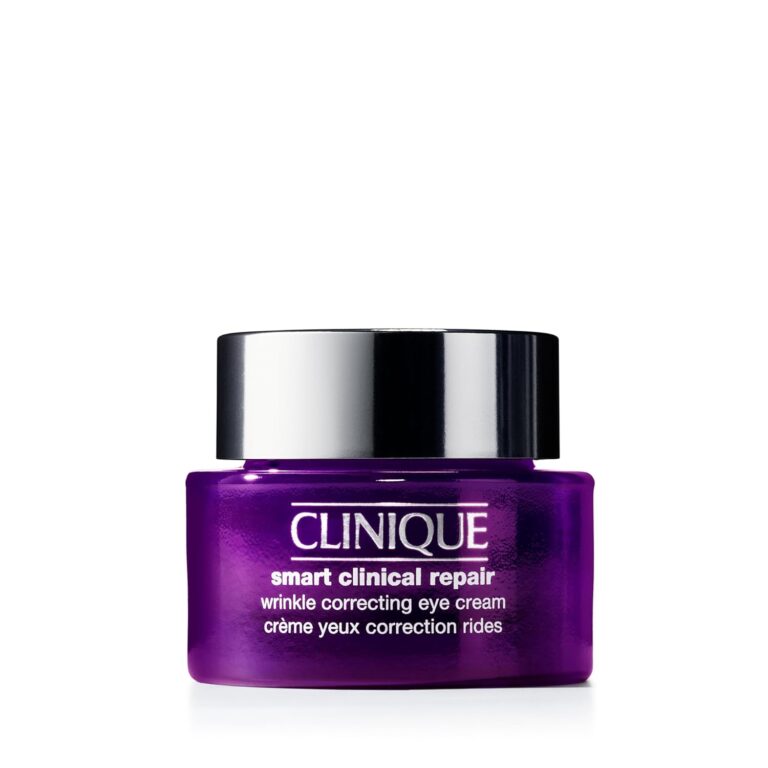
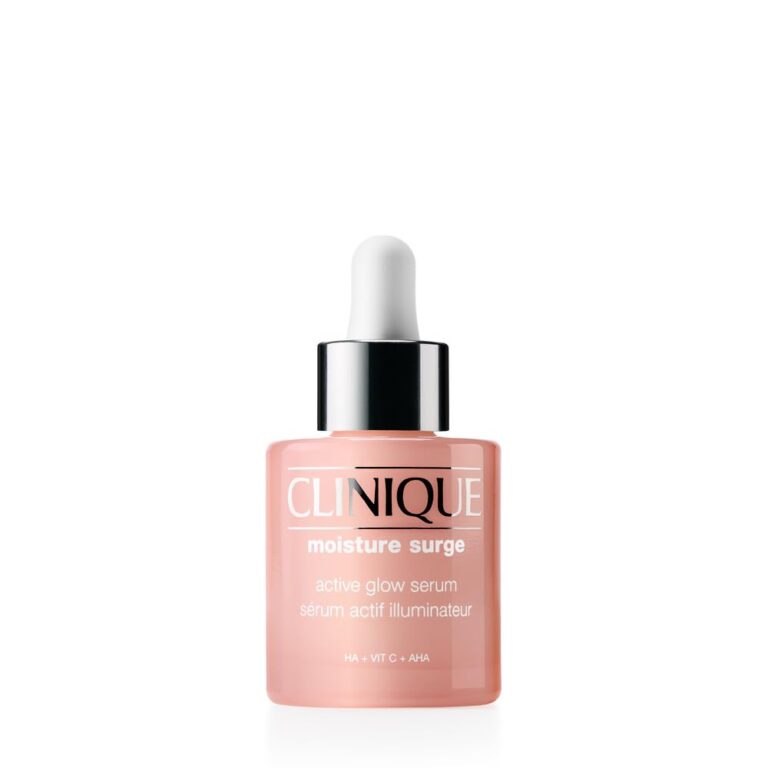
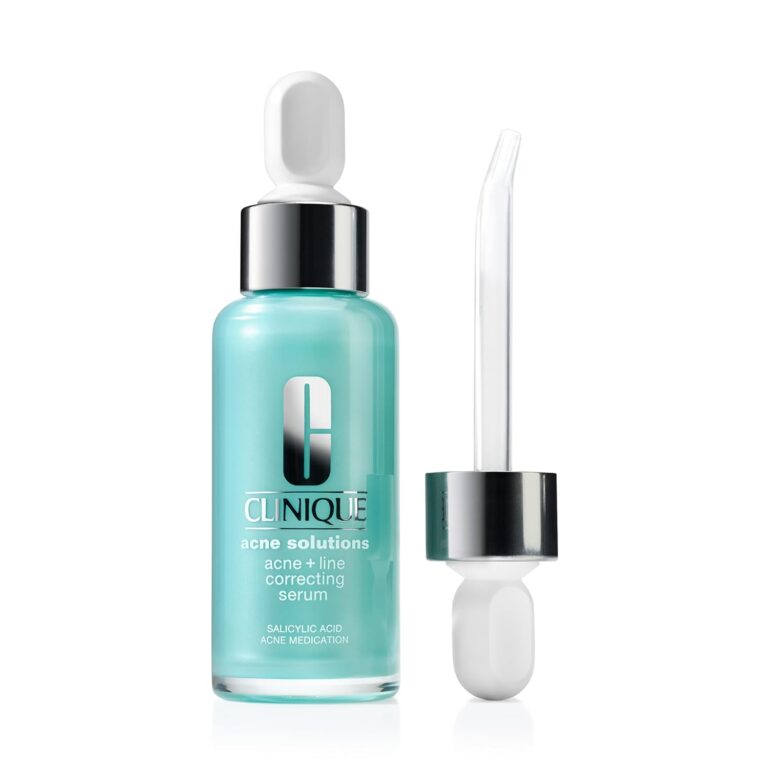
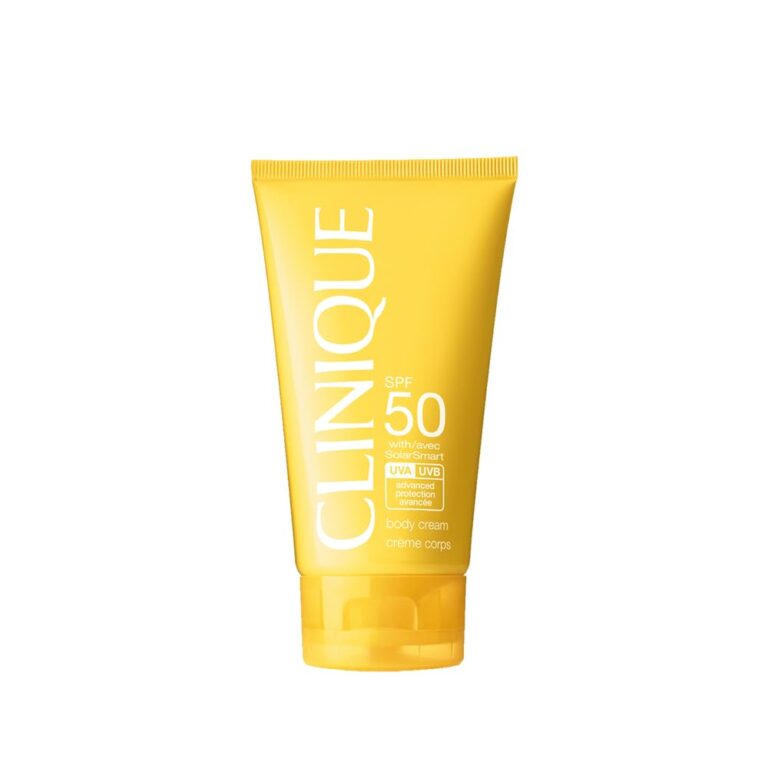
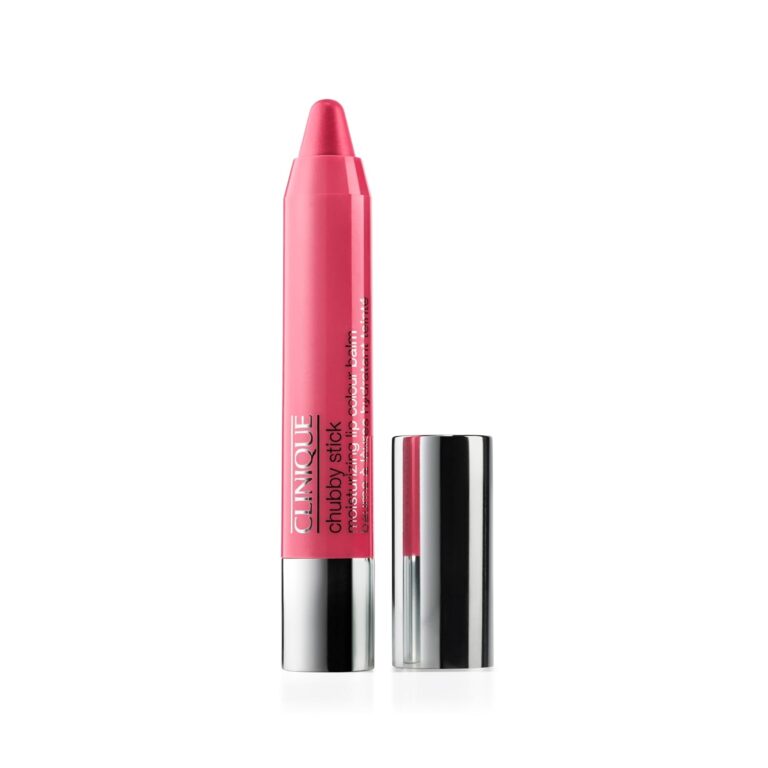
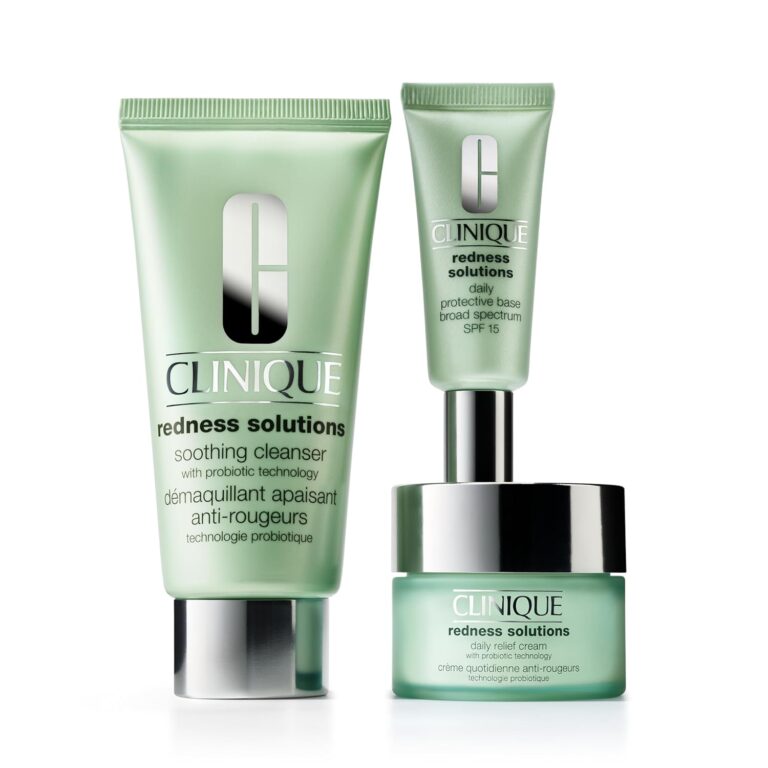
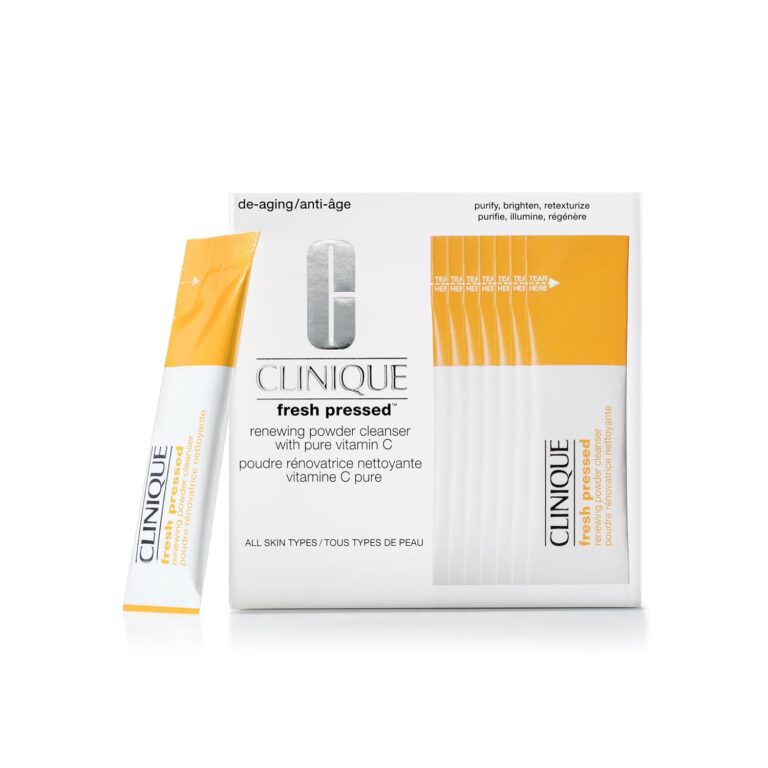
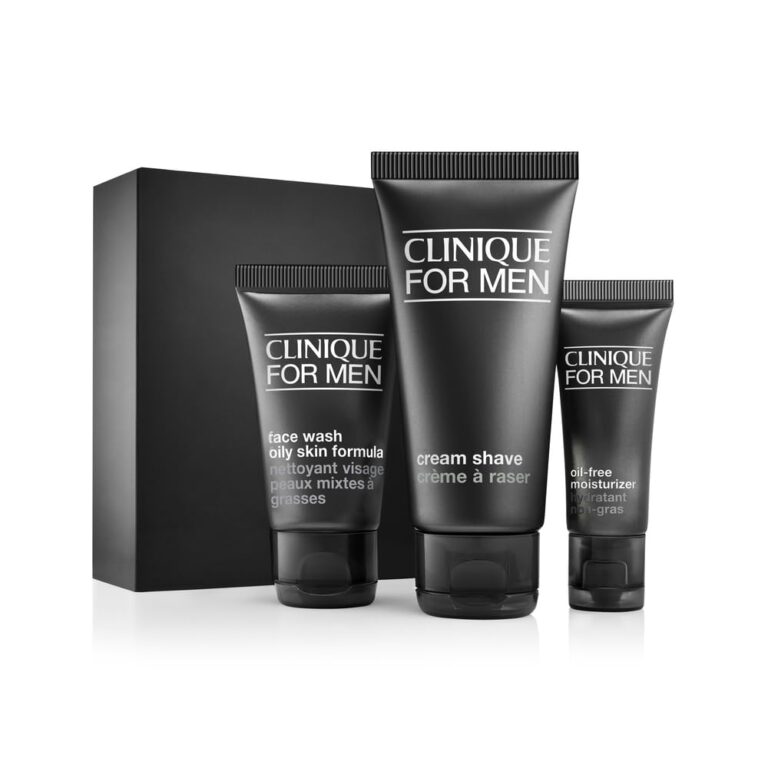
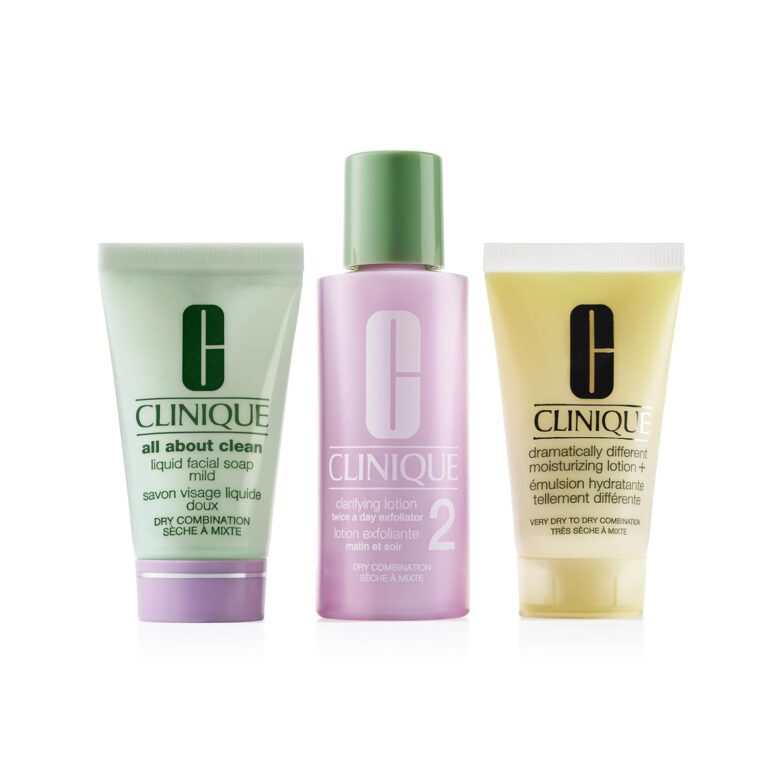
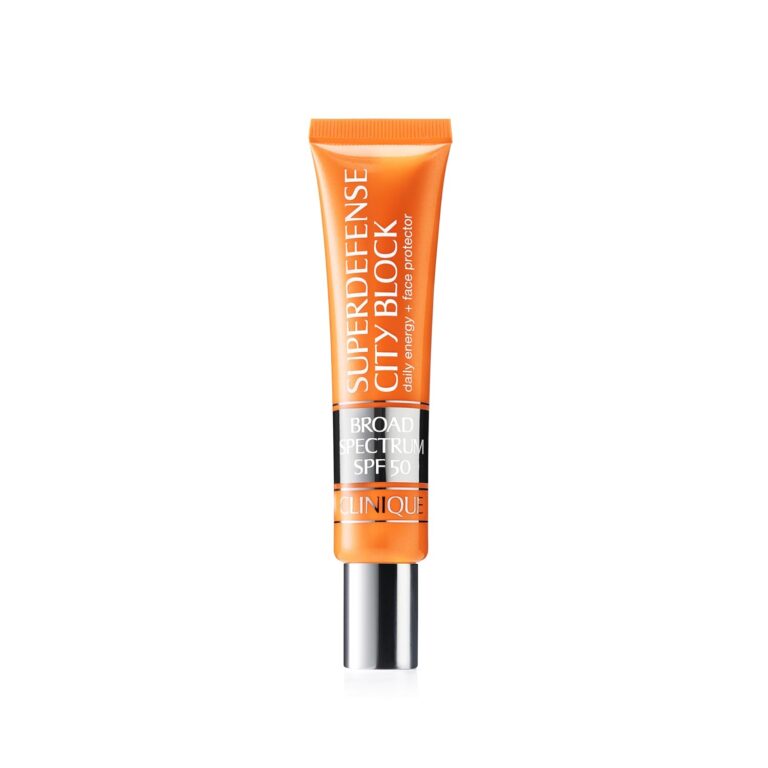
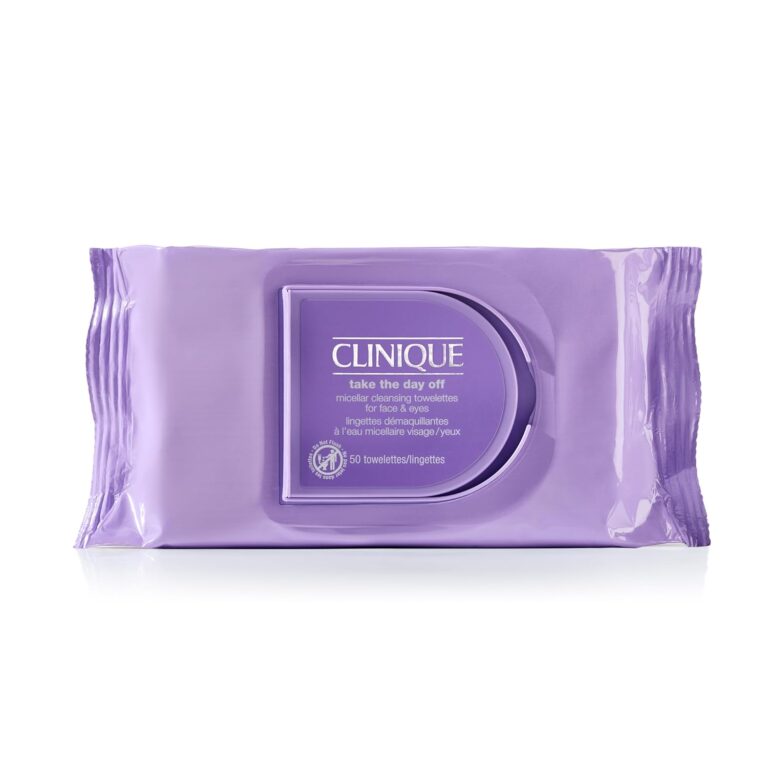
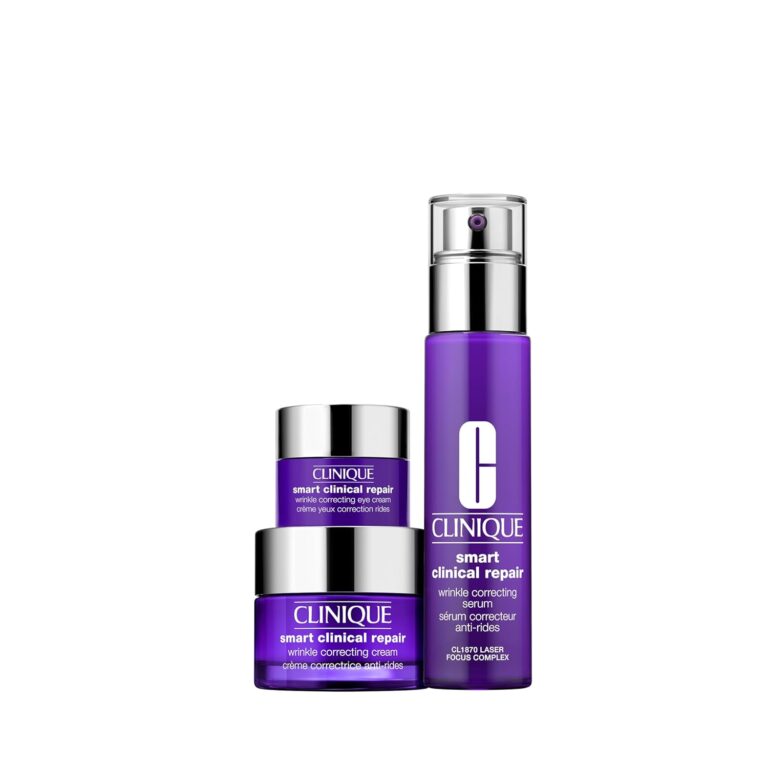
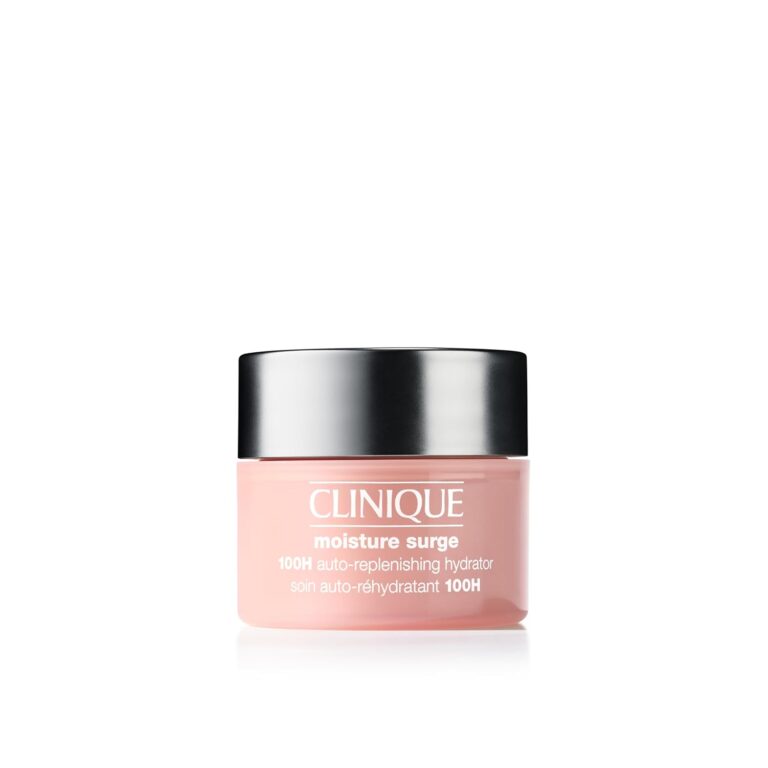
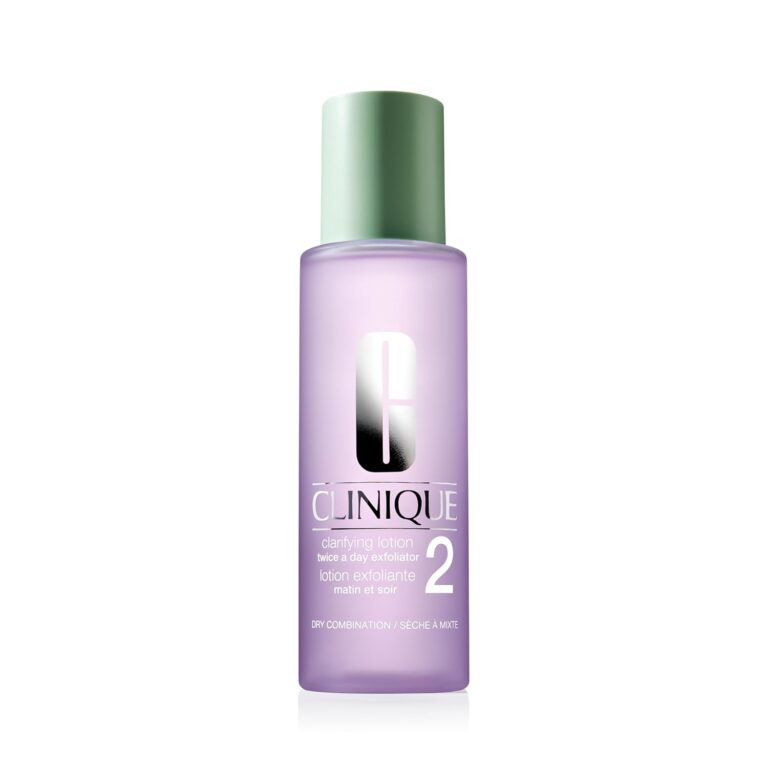
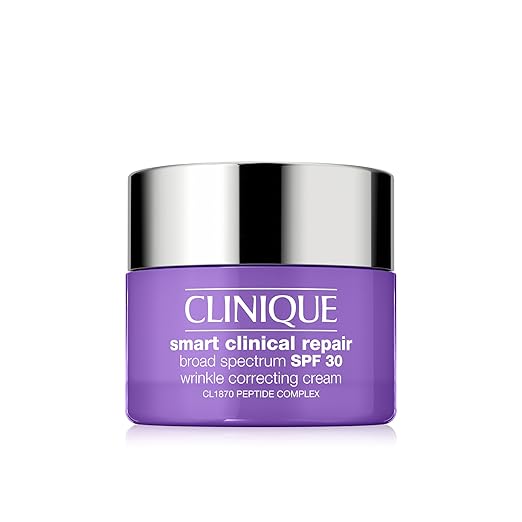
Walking down the skincare aisle can feel completely overwhelming when you do not understand the complex chemical names printed on the back of the bottles. Manufacturers often use clever marketing tactics on the front of the packaging to grab your attention and promise miraculous results. However, the absolute truth about any formulation always hides on the back label in the ingredient list. Learning how to decipher this dense block of text empowers you to take complete control of your personal care routine. You can stop wasting your hard-earned money on ineffective formulas and start investing in items that truly benefit your skin.
This comprehensive guide will teach you exactly how to read the labels on your favorite cosmetic products like a seasoned dermatologist. We will explore the standardized naming system used globally by manufacturers to identify specific chemical compounds and botanical extracts. You will also learn why the specific order of these ingredients matters immensely when evaluating the overall quality and safety of a formula. By understanding the critical differences between active and inactive components, you can easily determine if a product will actually deliver the promised results.
Furthermore, we will uncover the common red flags hiding in plain sight on many popular skincare items. You will discover how to quickly spot synthetic fragrances and harsh drying alcohols that can severely damage your delicate moisture barrier over time. By the time you finish reading this detailed breakdown, you will possess the valuable knowledge needed to navigate the beauty market with absolute confidence. Let us dive into the fascinating science of ingredient labels and transform the way you shop for skincare forever.
Decoding the INCI System on Cosmetic Products
The beauty industry relies on a highly standardized framework known as the International Nomenclature of Cosmetic Ingredients, or INCI for short. This universal system ensures that scientists, medical professionals, and consumers around the world can accurately identify the exact contents of any skincare formula. Before this standardized system existed, companies could use vague or misleading terms to describe the components inside their bottles. The implementation of INCI rules forced manufacturers to adopt a transparent, scientific approach to labeling their cosmetic products. Understanding this unified language represents the very first step toward becoming a truly educated and empowered consumer.
When you look at an INCI list, you will notice a unique blend of scientific chemical names and traditional Latin botanical terms. For example, plain water is almost always listed as aqua, while common shea butter appears under its Latin plant name, Butyrospermum parkii. This specific naming convention might seem deliberately confusing at first glance, but it serves a vital purpose in global trade and medical safety. A dermatologist in Tokyo and an allergist in New York can look at the exact same label and immediately recognize the chemical composition. You do not need to memorize every single Latin name, but familiarizing yourself with the most common terms will drastically improve your shopping experience.
You can easily utilize free online INCI databases and ingredient dictionaries to look up any complex words you do not immediately recognize. Taking a few extra minutes to research an unfamiliar chemical compound can save you from a severe allergic reaction or a painful acne breakout. Many highly effective, safe ingredients simply have long, intimidating scientific names that sound much harsher than they actually are. For instance, tocopherol is simply pure vitamin E, a wonderfully nourishing antioxidant that protects your tissue from environmental damage. Educating yourself on these basic translations allows you to see past the complicated jargon and appreciate the true value of the formulation.
Why the Order of Ingredients Matters immensely
The most crucial rule to remember when analyzing cosmetic products is that ingredients are legally required to be listed in descending order of their total concentration. The very first ingredient on the label represents the highest percentage of the formula, while the final ingredient represents the absolute lowest amount. The top five or six ingredients usually make up roughly eighty percent of the entire product resting inside the bottle. Therefore, you should always focus the vast majority of your attention on the uppermost section of the INCI list. This top tier dictates the physical texture, the primary function, and the overall performance of the skincare item you are evaluating.
If a brand heavily advertises a miraculous botanical extract on the front of the box, but you find it listed at the very bottom of the label, you should remain highly skeptical. When an ingredient appears after the chemical preservatives, its concentration is typically less than one percent of the total volume. This microscopic amount is known in the beauty industry as “dusting,” a deceptive practice used purely for marketing purposes rather than clinical efficacy. The ingredient is technically present in the formula, allowing the brand to make bold claims, but it lacks the necessary strength to generate any actual biological change in your skin. Always ensure the highlighted star ingredients appear in the top half of the label to guarantee you are getting what you paid for.
Identifying Active Versus Inactive Ingredients
Understanding the functional difference between active and inactive compounds completely changes how you evaluate the performance of your cosmetic products. Active ingredients are the highly specific chemicals scientifically proven to alter the fundamental structure or behavior of your skin cells. These potent powerhouses include heavy hitters like pure retinol for cellular turnover, salicylic acid for dissolving pore congestion, and ascorbic acid for brightening hyperpigmentation. Government regulatory agencies strictly monitor these active compounds because they essentially act as mild medications for your facial tissue. When a product promises to cure acne, erase fine lines, or block ultraviolet radiation, it relies entirely on its active ingredients to fulfill that specific claim.
On many over-the-counter treatment products, you will notice the active ingredients printed in their own dedicated box separate from the main INCI list. This separation clearly displays the exact percentage of the active compound, providing you with full transparency regarding the strength of the treatment. For example, a sunscreen will clearly list the precise concentration of zinc oxide at the very top of the package. Knowing this exact percentage allows you to carefully manage your daily routine and completely avoid layering too many harsh chemicals on your face at once. You must always treat active ingredients with immense respect, as applying too high of a concentration can rapidly destroy your protective acid mantle.
Understanding Inactive Base Ingredients
While the active ingredients perform the heavy lifting, the inactive ingredients serve an equally important role in the overall success of cosmetic products. Inactive ingredients make up the vast majority of the formula, creating the physical base or delivery system that carries the potent actives deep into your epidermis. These supporting elements include essential water, hydrating humectants, stabilizing emulsifiers, and protective chemical preservatives. Without these vital background components, a pure active ingredient would be far too unstable and aggressively harsh to apply directly to your bare face. The inactive base dictates whether a moisturizer feels like a lightweight, refreshing gel or a deeply rich, comforting cream upon application.
You should never dismiss inactive ingredients as useless fillers, because they directly determine how your skin reacts to the overall formulation. A beautifully formulated inactive base will actively soothe your tissue and effectively buffer the intense strength of the active compounds. For instance, a strong exfoliating acid paired with a hydrating base of glycerin and ceramides will cause significantly less irritation than the exact same acid suspended in a cheap alcohol base. When reading labels, you must evaluate the marriage between the active treatments and the inactive delivery system. A truly exceptional skincare product harmonizes these two distinct categories to provide maximum clinical results with minimal cellular inflammation.
Spotting Red Flags in Cosmetic Products
Navigating the beauty aisle requires a sharp eye for identifying problematic ingredients that can silently compromise your long-term cellular health. One of the absolute biggest red flags you will encounter on an INCI list is the inclusion of synthetic fragrances. Manufacturers use artificial perfumes to mask the unpleasant, natural chemical odors of their raw materials and create a luxurious sensory experience for the buyer. Unfortunately, the simple word “fragrance” or “parfum” legally represents a highly protected trade secret, allowing brands to hide hundreds of undisclosed, potentially toxic chemicals under one single umbrella term. These hidden chemical cocktails are universally recognized by dermatologists as the leading cause of severe contact dermatitis and chronic skin allergies worldwide.
Even if you do not immediately break out in a painful red rash, daily exposure to synthetic perfumes causes invisible, low-grade inflammation deep within your tissue. This persistent cellular stress gradually breaks down your natural collagen reserves and aggressively accelerates the visible aging process over time. You should strictly prioritize cosmetic products labeled as entirely fragrance-free, especially if you possess a highly sensitive or reactive biological profile. Do not confuse fragrance-free with unscented, as unscented products often contain hidden masking chemicals designed to neutralize odors without adding a distinct new smell. Always read the actual INCI list to ensure no artificial perfumes or highly volatile essential oils are hiding near the bottom of the label.
How Drying Alcohols Damage the Skin Barrier
Another major red flag to watch out for involves the excessive use of harsh, short-chain drying alcohols in your daily cosmetic products. Ingredients like denatured alcohol, isopropyl alcohol, and ethanol are frequently utilized to make heavy, inexpensive creams feel artificially lightweight and elegant on the face. They also act as powerful astringents that instantly dissolve natural surface oils, providing a temporary, deceptively matte finish for people struggling with greasy complexions. However, this immediate gratification comes at a devastating cost to your delicate protective moisture barrier. These aggressive solvents completely strip away the essential lipids your skin desperately needs to defend itself against harmful bacteria and environmental pollution.
When you continuously apply drying alcohols to your face, you trigger a state of severe biological panic within your sebaceous glands. Your stripped tissue rapidly loses its internal water content through a process called transepidermal water loss, leaving your face feeling uncomfortably tight and visibly flaky. In a desperate attempt to compensate for this profound dehydration, your oil glands work overtime to produce massive amounts of excess sebum. This vicious cycle ultimately leaves you with a deeply dehydrated yet heavily congested complexion prone to painful cystic acne breakouts. By learning to spot these damaging alcohols on the ingredient list, you can successfully protect your barrier and maintain a beautifully balanced, healthy glow.
Making Informed Choices for Your Skin Health
Transitioning from a passive buyer to a highly educated consumer requires patience, practice, and a willingness to look past glossy marketing campaigns. You must view every single bottle and jar as a unique chemical equation that will directly interact with your living biology. Taking the extra time to flip the box over and read the INCI list ensures you are treating your body with the utmost respect and care. You will eventually learn to quickly scan for your favorite nourishing ingredients while simultaneously avoiding the harsh chemicals that trigger your specific sensitivities. This invaluable skill saves you massive amounts of money and entirely prevents the frustration of dealing with unwanted allergic reactions.
Your daily skincare routine should serve as a deeply therapeutic ritual rather than a stressful guessing game of trial and error. By mastering the art of reading cosmetic labels, you instantly demystify the beauty industry and reclaim your personal power as a consumer. Always demand full transparency from the brands you choose to support financially, and never settle for vague promises or hidden chemical components. When you finally align your product choices with rigorous science and factual ingredient data, you will absolutely achieve the radiant, resilient complexion you have always deserved.
Frequently Asked Questions
What does the term hypoallergenic actually mean on a label?
The term hypoallergenic is an entirely unregulated marketing phrase used by manufacturers to imply that a specific formula is less likely to cause an allergic reaction. Because the government does not legally define or enforce this specific word, any brand can print it on their packaging regardless of the actual chemical composition inside the bottle. A product labeled as hypoallergenic can still contain known irritants, synthetic dyes, and volatile botanical extracts that frequently trigger severe contact dermatitis. You must completely ignore this meaningless buzzword and always rely exclusively on reading the actual INCI ingredient list to determine if the formula is genuinely safe for your sensitive tissue.
Are natural ingredients always safer than synthetic chemicals?
The common belief that natural botanical extracts are inherently safer than lab-created synthetic chemicals is a widespread and dangerous misconception. Many completely natural elements, such as poison ivy or highly concentrated citrus essential oils, are incredibly toxic and highly damaging when applied directly to human tissue. Conversely, many synthetic ingredients are meticulously engineered in sterile laboratories to perfectly mimic your skin’s natural biology, making them exceptionally safe, stable, and effective. You should evaluate cosmetic products based entirely on the clinical safety data of their specific ingredients, rather than strictly judging them by whether they were grown in the dirt or formulated in a beaker.
Why do some ingredients have numbers next to their names?
When you see specific numbers attached to an ingredient name, such as Polysorbate 20 or PEG-100, these digits indicate the specific molecular weight or the exact number of chemical units attached to the compound. These highly specific numerical values help cosmetic chemists understand the exact physical size and behavioral properties of the ingredient they are working with during formulation. A lower number typically indicates a smaller molecular size, which drastically affects how deeply the ingredient can physically penetrate the protective layers of your epidermis. While these numbers look incredibly confusing to the average consumer, they simply provide a more precise, scientific description of the exact chemical structure used in the formula.
How can I tell if an ingredient list is trying to hide something?
Brands attempting to obscure their true formulas often use broad, generalized terms instead of the legally required, specific INCI nomenclature. If you see vague phrases like “proprietary botanical blend,” “cleansing agents,” or simply “fragrance” without any further scientific breakdown, the manufacturer is actively hiding the exact chemical composition from you. You should also be highly suspicious of labels that list their ingredients in an arbitrary, alphabetical order rather than the legally mandated descending order of total concentration. When a company refuses to provide complete, standardized transparency regarding what resides inside their cosmetic products, you should immediately put the item back on the shelf and invest your money elsewhere.
https://www.profitableratecpm.com/hjxh6b80?key=9e65c3e44b1d7af1b5715b31bced7922