You wash your face twice a day, apply your favorite moisturizers, and drink plenty of water. Yet, your complexion still looks dull, tired, and completely lackluster. If your skin feels rough to the touch or your makeup refuses to sit smoothly, you are likely dealing with a buildup of dead skin cells.
Your skin constantly works to renew itself, but this natural process slows down as we age. When old cells cling to the surface, they block your pores and prevent your expensive serums from absorbing. Learning how to remove dead skin safely is the absolute most important step in achieving a healthy, radiant glow.
You do not need expensive clinical treatments or harsh chemical peels to uncover fresh skin. Your pantry already holds some of the most powerful, gentle exfoliants available. This comprehensive guide will teach you how to remove dead skin from your face naturally. We will explore the science of cell turnover, highlight the best natural ingredients, and provide a complete, step-by-step daily routine perfect for absolute beginners.
The Magic of Skin Cell Turnover
To understand why exfoliation matters, you must understand how your skin functions. Your skin constantly produces new cells at the deepest layer of the epidermis. These fresh, plump cells slowly travel up toward the surface. As they reach the top, they die and eventually flake off to make room for the next generation of cells.
Dermatologists call this process desquamation, or cellular turnover. In babies and young children, this cycle happens rapidly, usually taking about 14 to 21 days. This rapid renewal is exactly why children have such famously soft, glowing skin. However, as we enter our twenties, thirties, and beyond, this process dramatically slows down.
A standard adult cellular turnover cycle can take anywhere from 28 to 45 days. Because the dead cells do not fall off as quickly, they pile up like microscopic traffic jams. This buildup creates a thick, uneven barrier on your face. It traps sebum, leading to blackheads and painful acne breakouts. When you actively remove dead skin, you clear this traffic jam, instantly revealing the healthy, luminous cells waiting underneath.
Why Choose Natural Exfoliation Over Harsh Chemicals?
The beauty industry offers thousands of exfoliating scrubs and potent acid serums. While many clinical products work well, they often carry a high risk of irritation, especially for beginners. Plunging straight into heavy chemical exfoliants can severely damage your delicate moisture barrier.
Natural exfoliation offers a gentler, more holistic approach to skin renewal. Commercial physical scrubs often rely on jagged ground walnut shells or synthetic microbeads. These rough particles create microscopic tears in your skin, leading to inflammation and accelerated aging. Natural physical exfoliants, like finely milled oats, offer smooth edges that polish the skin without scratching it.
Furthermore, synthetic chemical peels can easily cause chemical burns if left on for just a minute too long. Natural ingredients provide milder concentrations of exfoliating acids and enzymes. When you use pantry staples to remove dead skin, you also deliver a massive dose of raw vitamins, antioxidants, and soothing lipids directly into your epidermis. You nourish your face at the exact same time you polish it.
Top 5 Natural Ingredients to Remove Dead Skin
You can create highly effective, spa-quality treatments right in your own kitchen. These five natural ingredients safely dissolve and buff away dead cells while protecting your skin’s underlying health.
1. Raw Honey
Raw honey is a genuine powerhouse for skincare. It contains trace amounts of natural gluconic acid, a mild alpha-hydroxy acid (AHA) that gently loosens the bonds between dead skin cells.
Beyond its exfoliating properties, honey is a natural humectant. This means it actively pulls moisture from the air and forces it deeply into your skin. It also boasts incredible antibacterial and antimicrobial properties. If you struggle with active acne breakouts alongside dry patches, a raw honey mask will gently remove dead skin while simultaneously healing your blemishes.
2. Finely Ground Oatmeal
If you have incredibly sensitive or reactive skin, oatmeal is your best friend. Colloidal oatmeal (oats ground into a fine powder) acts as a remarkably gentle physical exfoliant.
Oats contain natural cleansers called saponins. These compounds gently absorb dirt, oil, and cellular debris without stripping away your natural lipid barrier. Furthermore, oatmeal is packed with anti-inflammatory properties that immediately soothe redness and calm irritation. You can mix ground oats with a little water or milk to create a soothing, buffing paste.
3. Brown Sugar
When you want a satisfying physical scrub, brown sugar is the ultimate choice. Unlike white sugar or salt, brown sugar features much smaller, softer granules. These smaller particles dissolve relatively quickly when mixed with a carrier oil, preventing you from over-scrubbing.
More importantly, brown sugar is a natural source of glycolic acid. Glycolic acid is the smallest AHA, allowing it to penetrate deeply and dissolve the cellular glue holding dead skin onto your face. By mixing brown sugar with a nourishing oil like jojoba or sweet almond oil, you get the benefits of both physical and chemical exfoliation.
4. Plain Yogurt
You do not always need to scrub your face to remove dead skin. Plain, unsweetened yogurt provides a fantastic, scrub-free chemical exfoliation option.
Yogurt is rich in lactic acid. Lactic acid is a notoriously gentle AHA that works beautifully on dry and sensitive skin types. It gently dissolves dead surface cells while simultaneously increasing the natural ceramides in your skin’s protective barrier. Simply applying a thin layer of cold, plain yogurt to your face for ten minutes leaves your skin feeling incredibly soft and deeply hydrated.
5. Fresh Papaya
Tropical fruits offer incredible enzymatic exfoliation. Enzymes work a little differently than acids or physical scrubs. Instead of breaking bonds or scrubbing, enzymes actually digest the dead keratin proteins sitting on the surface of your skin.
Fresh papaya contains a highly active enzyme called papain. When you mash a small amount of raw papaya and apply it as a mask, the papain gently eats away the dead cells. This ingredient is fantastic for brightening dull complexions and fading dark spots over time. Always use green or slightly underripe papaya, as this is when the papain concentration is at its highest.
Your Complete Daily Skincare Routine for Beginners
Knowing how to remove dead skin is only one piece of the puzzle. You must support your fresh, newly exposed skin with a solid daily routine. This beginner-friendly regimen ensures your face stays protected, hydrated, and glowing.
The Morning Routine: Protect and Prep
Your morning routine should focus entirely on protecting your skin from daily environmental damage. Keep it simple and lightweight.
- Gentle Cleanse: Splash your face with lukewarm water. If you have oily skin, use a mild, sulfate-free cleanser to remove overnight sebum.
- Hydrating Toner: Apply an alcohol-free toner containing rose water or aloe vera. This balances your skin’s pH and prepares it to absorb the next layers.
- Antioxidant Serum: Apply a few drops of Vitamin C serum. This protects your fresh skin cells from pollution and free radical damage throughout the day.
- Moisturize: Smooth on a lightweight, non-comedogenic lotion to lock in hydration.
- Sun Protection: This is non-negotiable. Apply a broad-spectrum SPF 30 or higher. Exfoliating makes your skin highly sensitive to the sun, so you must protect those new cells from UV rays.
The Evening Routine: Repair and Renew
Your nighttime routine is where the real magic happens. Your body enters repair mode while you sleep, making it the perfect time to nourish and gently exfoliate.
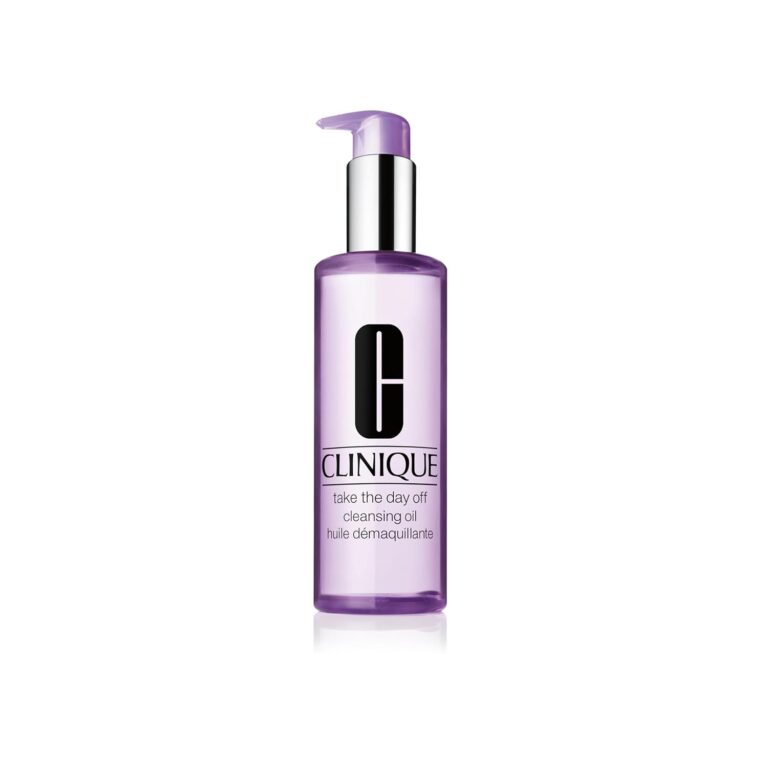
- Double Cleanse: Start with an oil-based cleanser to melt away makeup, sunscreen, and daily grime. Follow up with your gentle water-based cleanser to clean the actual skin.
- Exfoliate (1-2 Times a Week ONLY): On your designated exfoliation nights, use one of the natural ingredients listed above. Apply your yogurt mask, honey treatment, or gentle oat scrub. Rinse thoroughly with lukewarm water.
- Soothing Serum: Apply a hydrating serum rich in hyaluronic acid. Hyaluronic acid pulls water into your newly exfoliated skin, plumping up fine lines instantly.
- Heavy Moisturizer: Seal everything in with a rich night cream or a few drops of natural facial oil like squalane or rosehip seed oil. This prevents moisture loss while you sleep.
Safety Tips for Every Skin Type
Natural ingredients are wonderfully safe, but you still must respect your specific skin biology. Tailor your exfoliation approach based on how your skin behaves naturally.
Oily and Acne-Prone Skin
If you produce excess oil, you might feel tempted to scrub your face aggressively every single day. Do not do this. Over-scrubbing strips your skin, causing your sebaceous glands to panic and produce even more oil to compensate. Stick to exfoliating twice a week. Papaya enzyme masks and honey treatments work best, as they unclog pores without spreading active acne bacteria.
Dry and Flaky Skin
Dry skin desperately needs exfoliation to remove flakes, but it requires extreme gentleness. Avoid granular scrubs like brown sugar entirely, as they can cause micro-tears in skin that lacks protective lipids. Instead, rely heavily on lactic acid from yogurt masks. Follow every exfoliation session with a massive dose of heavy moisture to repair the barrier.
Sensitive and Reactive Skin
If your face turns red at the slightest touch, you must proceed with caution. Always perform a patch test before putting any new natural ingredient on your entire face. Dab a small amount behind your ear and wait 24 hours to ensure you do not have an allergic reaction. Stick to colloidal oatmeal, as it is the most soothing and least abrasive option available.
Conclusion
You do not need to spend a fortune or risk severe irritation to achieve a flawless, radiant complexion. By understanding the natural cycle of cell turnover, you can take control of your skin’s health.
Remember that less is always more when learning how to remove dead skin. Be patient, be gentle, and listen to your body. Start by incorporating a simple honey mask or a soothing oatmeal polish into your routine just once a week. Pair this with diligent sun protection and daily hydration. Within a few short weeks, you will clear away the dullness and reveal the bright, incredibly soft skin you have always had waiting underneath.
Frequently Asked Questions (FAQs)
How often should I remove dead skin from my face?
For absolute beginners, you should only exfoliate once a week. This gives your skin plenty of time to adapt to the new routine without compromising your moisture barrier. After a few weeks, if your skin feels healthy and shows no signs of redness, you can slowly increase the frequency to twice a week. You should never exfoliate your face every single day.
What should I do immediately after exfoliating?
The moment you rinse away your natural exfoliant, your skin is completely bare and highly receptive. You must immediately apply a hydrating toner or serum while your face is still slightly damp. Follow this instantly with a high-quality moisturizer to lock the water inside your cells. If you exfoliate in the morning, you must apply a generous layer of sunscreen.
Can I use body scrubs on my face?
Absolutely not. The skin on your body is significantly thicker and far more resilient than the delicate skin on your face. Body scrubs often contain large, jagged particles like sea salt or coffee grounds. Using these heavy ingredients on your face will cause severe micro-tears, broken capillaries, and massive inflammation. Keep your body scrubs below your neck.
How long does it take to see results?
You will notice an immediate improvement in your skin’s texture right after your very first natural exfoliation session. Your face will feel instantly softer, and your moisturizer will sink in much faster. However, to see major changes in dullness, uneven tone, and chronic breakouts, you need to stick to your routine consistently for at least four to six weeks. This aligns with a full cellular turnover cycle.
Is it normal for my skin to peel after natural exfoliation?
No, your skin should never visibly peel, flake, or feel tight and painful after using natural, gentle exfoliants. If you experience visible peeling or intense stinging, you have exfoliated entirely too hard or left an enzyme mask on for way too long. Stop all exfoliation immediately for at least two weeks. Focus solely on applying gentle cleansers and heavy, soothing moisturizers until your skin barrier fully repairs itself.