Walking down the skincare aisle often feels like navigating an endless maze of colorful bottles and bold promises. Every brand claims to hold the ultimate secret to a flawless, glowing complexion. However, achieving healthy skin requires more than simply grabbing the most popular jar on the shelf. You must deeply understand your own biological canvas before applying anything to it. We created this comprehensive guide to help you make informed, scientifically sound decisions about your personal care routine.
The foundation of any successful skincare regimen relies entirely on using the correct cosmetic products for your specific needs. Using a heavy cream on an oily complexion can lead to severe breakouts and frustration. Conversely, applying harsh astringents to a dry face will damage your delicate moisture barrier and cause painful flaking. This article will teach you exactly how to identify your unique skin type with absolute certainty. We will explore the complex science behind different formulations and how they interact with your cellular structure.
You will also learn how to decode complicated ingredient labels so you can look past clever marketing tactics. By the time you finish reading, you will possess the knowledge of a seasoned skincare expert. You can finally stop wasting money on incompatible formulas and start investing in items that truly work for you. Let us dive into the fascinating biology of your face and discover how to build the perfect routine.
Understanding the Complex Biology of Your Skin
Your skin is the largest organ of your entire body, and it acts as a dynamic shield against the outside environment. It constantly works to keep harmful bacteria out while locking essential moisture inside. The outermost layer, known as the epidermis, features a delicate acid mantle composed of natural oils and sweat. This acidic barrier plays a crucial role in determining how your face reacts to various cosmetic products. When this barrier functions perfectly, your complexion appears smooth, hydrated, and remarkably resilient.
Sebum production serves as the primary factor in determining your overall skin classification. Your sebaceous glands naturally produce this oily substance to lubricate and protect your tissues from environmental damage. Genetics largely dictate exactly how much sebum your glands pump out on a daily basis. Hormonal fluctuations, climate changes, and stress levels can also significantly impact this natural oil production over time. Understanding your personal sebum levels is the very first step toward achieving a perfectly balanced complexion.
When you disrupt your acid mantle with the wrong formulations, you trigger a cascade of negative cellular reactions. Over-stripping the skin causes your glands to panic and produce even more oil to compensate for the sudden dryness. Layering unnecessarily thick ointments traps dead cells and bacteria, leading to painful inflammation and stubborn acne. Therefore, matching your cosmetic products to your biological baseline prevents these extreme reactions and maintains absolute harmony.
Identifying Your Unique Skin Type
Determining your true skin classification requires careful observation of how your face behaves without any interference. The most accurate way to test this involves washing your face with a gentle, pH-balanced cleanser and patting it dry. You must then wait exactly one hour without applying any serums, moisturizers, or toners. After this hour passes, closely examine your complexion in a well-lit mirror and note how the tissue feels. This simple bare-face test provides incredible insight into your natural biological rhythms.
Decoding Oily Skin
If your entire face appears shiny and feels slick to the touch after the bare-face test, you possess an oily profile. You likely notice that your pores look enlarged, especially around your nose, forehead, and chin. Your sebaceous glands simply produce an excess of natural lipids, which can easily trap dead cells and cause frequent congestion. People with this profile often struggle with makeup sliding off their face by the middle of the afternoon.
Despite the constant battle with shine, oily skin actually ages remarkably well due to the constant natural lubrication. The excess lipids prevent the formation of fine lines and superficial wrinkles for much longer than other types. You just need to focus on managing the excess shine without destroying your natural moisture barrier. Using harsh, alcohol-based cosmetic products will only make your oil glands work harder, creating a vicious and frustrating cycle.
Recognizing Dry Skin
When your face feels tight, itchy, or noticeably rough after an hour of wearing no products, you have a dry classification. You might observe small flakes of dead skin around your eyebrows, nose, and the corners of your mouth. Your pores are likely virtually invisible because your glands produce very little natural sebum to stretch them out. This lack of oil means your acid mantle struggles to trap water inside the deeper layers of the epidermis.
Dry skin looks dull and lacks that natural, youthful plumpness associated with a healthy moisture barrier. It is also highly prone to showing premature signs of aging, as the lack of lubrication allows fine lines to deepen quickly. You might feel a desperate need to slather on a thick moisturizer immediately after stepping out of the shower. Your primary goal involves artificially replacing the lipids that your own body fails to produce in adequate amounts.
Navigating Combination Skin
Combination skin is arguably the most common profile, yet it remains the most confusing one to manage properly. If your forehead, nose, and chin appear shiny while your cheeks feel tight and dry, you fall into this category. The central area of your face, known as the T-zone, possesses a much higher concentration of active sebaceous glands. Meanwhile, the perimeter of your face lacks these glands, resulting in a stark contrast in texture and hydration levels.
Treating a combination profile often feels like dealing with two completely separate faces at the exact same time. You might experience a stubborn cystic breakout on your chin while simultaneously dealing with painfully flaky cheeks. Using a single, uniform moisturizer all over your face rarely yields satisfactory results for this specific group. You must embrace a strategic, targeted approach to your daily routine to bring both extremes into perfect harmony.
Managing Sensitive Skin
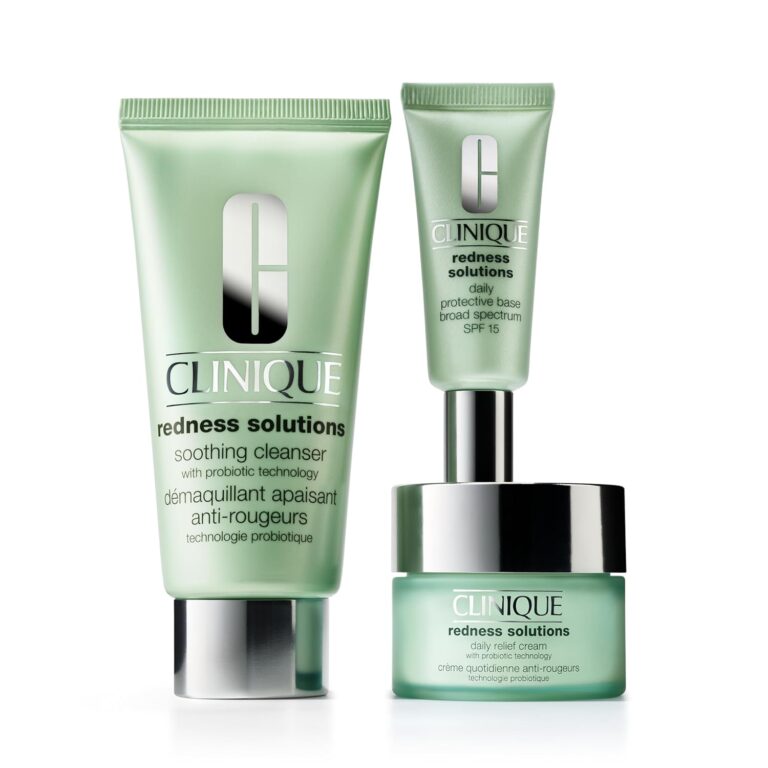
Sensitive skin acts less like a standard type and more like a reactive condition that can accompany oily, dry, or combination profiles. If your face flushes red easily, burns when applying basic lotions, or breaks out in rashes frequently, you have sensitive tissue. Your protective acid mantle is naturally compromised, allowing environmental irritants and chemical ingredients to penetrate too deeply. This rapid penetration triggers an aggressive immune response, resulting in painful inflammation and visible redness.
People with reactive tissue must exercise extreme caution when introducing new cosmetic products into their daily regimen. Even natural botanical extracts and essential oils can trigger a severe allergic reaction and compromise the skin barrier further. You must prioritize soothing, restorative ingredients that actively rebuild your defenses rather than aggressively exfoliating or treating. Patience and simplicity remain your greatest allies when managing a highly reactive complexion.
Matching Cosmetic Products to Your Skin’s Biology
Once you accurately identify your profile, you can begin selecting cosmetic products with the appropriate chemical composition and texture. The physical consistency of a formula heavily dictates how it interacts with your natural sebum levels and cellular structure. Water-based gels perform completely differently than oil-based creams, even if they contain the exact same active ingredients. You must learn to pair these specific textures with your biological needs to achieve optimal results.
Formulations for Oily Profiles
Individuals with an overproduction of sebum must seek out lightweight, non-comedogenic cosmetic products that will not clog their pores. You should entirely avoid heavy occlusives like mineral oil, shea butter, and thick waxes in your daily moisturizers. Instead, look for water-based gel lotions that provide essential hydration without adding any extra grease to your face. Ingredients like hyaluronic acid and glycerin are perfect because they bind water to the skin without relying on heavy lipids.
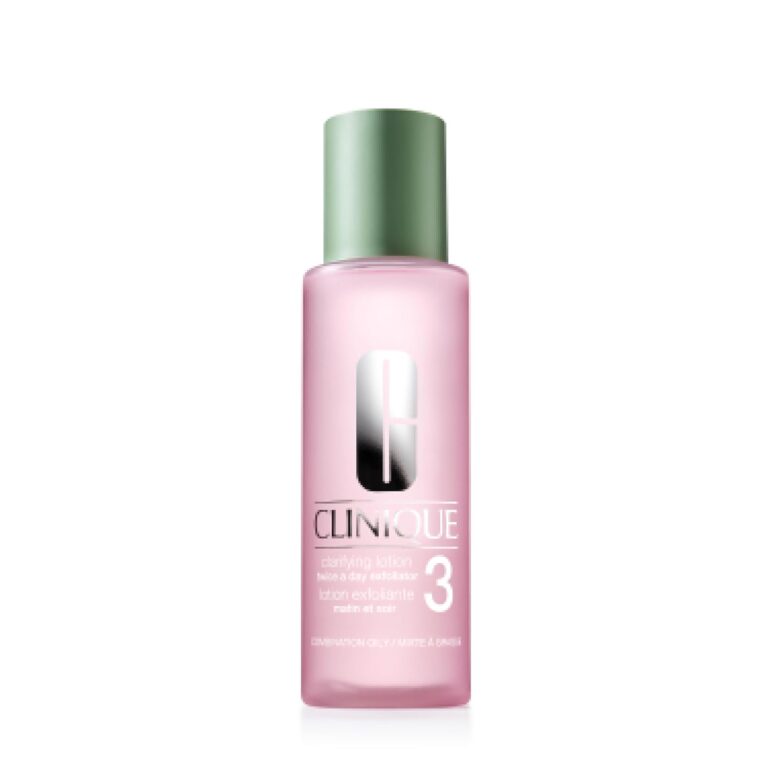
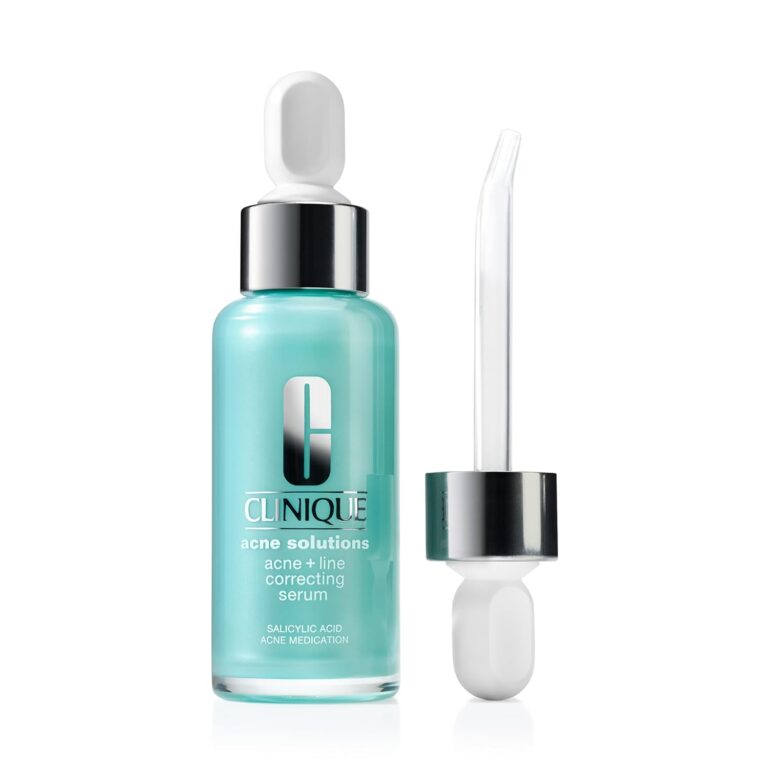
For cleansing, foaming gels containing mild chemical exfoliants work wonders to dissolve excess oil and keep pores clear. Salicylic acid represents the gold standard for oily profiles because it is lipophilic, meaning it can penetrate oil to clean inside the pore. You should also incorporate a lightweight niacinamide serum into your routine to naturally regulate your sebaceous gland activity over time. A mattifying, fluid sunscreen will protect your face from damage without leaving a thick, white cast or a greasy finish.
Hydration Strategies for Dry Skin
If you lack natural oil, you must actively seek out cosmetic products featuring rich, emollient textures and heavy occlusives. Lightweight gels will simply evaporate off your face, leaving you feeling tight and uncomfortable within an hour of application. You need thick creams formulated with ceramides, squalane, and plant-based oils to physically seal the moisture into your tissues. These heavier ingredients act as a synthetic acid mantle, protecting your face from dry air and harsh winds.
Your cleansing routine should consist entirely of creamy, non-foaming milks or cleansing balms that do not strip away your precious lipids. You must avoid harsh foaming agents like sodium lauryl sulfate, which will severely damage your already fragile moisture barrier. Exfoliation should be done sparingly using gentle alpha-hydroxy acids, like lactic acid, which hydrate the tissue while removing dead flakes. Always apply your rich moisturizers to slightly damp skin to trap as much water as possible inside the epidermis.
Balancing Acts for Combination Skin
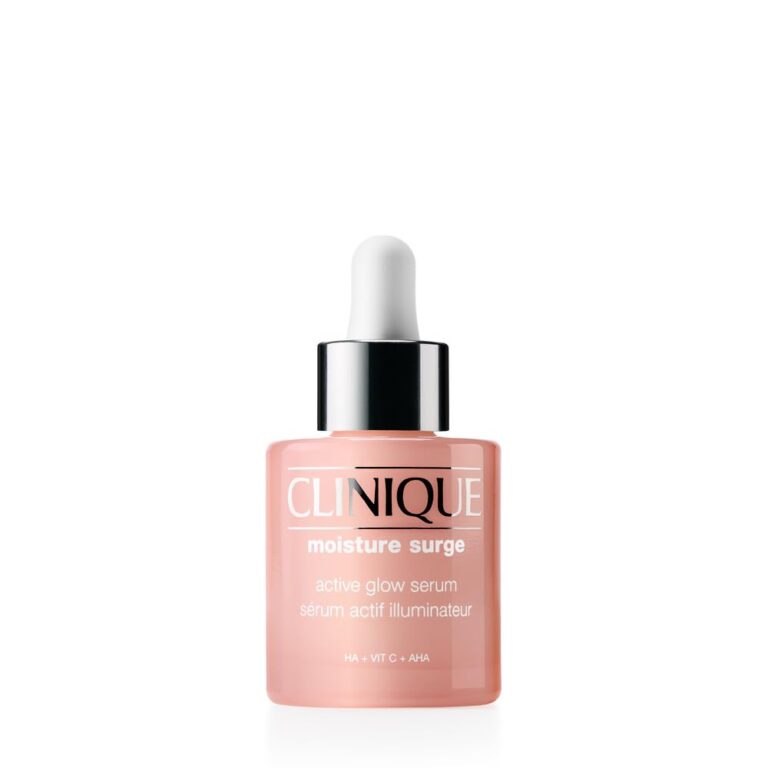
Managing a combination profile requires a strategic approach known in the beauty industry as zone treating. You cannot expect a single texture to perfectly satisfy both your oily T-zone and your parched cheeks simultaneously. Many experts recommend using a gentle, lightly foaming cleanser that effectively removes oil without causing excess dryness on the perimeter. You should then apply a lightweight, water-based hydrating serum all over your entire face to provide a baseline of moisture.
When it comes to heavier cosmetic products, you must apply them selectively based on the specific needs of each zone. You might pat a rich ceramide cream exclusively onto your dry cheeks while leaving your forehead and nose bare. Alternatively, you can apply a mattifying salicylic acid treatment only to your T-zone to control the afternoon shine. This customized, patchwork approach requires a bit more effort, but it completely transforms the health of a combination complexion.
Gentle Approaches for Sensitive Skin
The golden rule for highly reactive tissue is to keep your skincare routine as incredibly simple and minimal as possible. You should exclusively purchase cosmetic products that are strictly fragrance-free, as synthetic perfumes represent the number one cause of contact dermatitis. Look for calming ingredients like colloidal oatmeal, centella asiatica, and pure aloe vera to aggressively reduce cellular inflammation. You must avoid physical scrubs, strong chemical peels, and highly concentrated vitamin C serums, as these will trigger severe burning.
Your barrier repair cream should contain a healthy ratio of ceramides, cholesterol, and fatty acids to rebuild your compromised epidermis. When testing any new formulation, you must perform a patch test on the side of your neck for at least forty-eight hours. If no redness or itching occurs, you can slowly introduce the formula to your face once every three days. Building a resilient barrier takes significant time, so you must resist the urge to constantly switch up your calming routine.
How to Read Ingredient Labels Like an Expert
Understanding marketing claims is completely different from actually understanding what resides inside the bottle you are purchasing. The law requires manufacturers to list their ingredients using the International Nomenclature of Cosmetic Ingredients, commonly known as INCI. These complex chemical names often look intimidating, but learning to decode them empowers you to make highly educated purchasing decisions. The most important rule to remember is that ingredients are always listed in descending order of their total concentration.
The first five ingredients listed on the back of the packaging typically make up about eighty percent of the entire formula. If a brand heavily advertises a miraculous botanical extract, but you find it listed at the very bottom beneath the preservatives, it is completely useless. The concentration is simply too low to generate any actual biological change in your skin cells. You should always focus your attention on the top half of the ingredient list to determine what the product will actually do.
Spotting the Active Ingredients
Active ingredients are the specific chemical compounds scientifically proven to change the structure or function of your skin. These include powerful heavy hitters like retinol for anti-aging, vitamin C for brightening, and salicylic acid for treating severe acne. When evaluating cosmetic products, you must ensure these active compounds appear high enough on the list to be genuinely effective. However, you must also check that the formula includes soothing inactive ingredients to buffer these powerful actives and prevent severe irritation.
You must also learn to quickly spot the major red flag ingredients that can instantly ruin your protective moisture barrier. Denatured alcohol, often listed as alcohol denat, is frequently used to make heavy creams feel lighter, but it causes massive cellular dehydration. Synthetic dyes and artificial fragrances offer absolutely no biological benefit and only serve to dramatically increase your risk of allergic reactions. By scanning the label for these known irritants, you can quickly filter out poor formulations and save your hard-earned money.
Conclusion
Choosing the perfect formulations for your face does not have to be a frustrating game of trial and error. By taking the time to truly understand your biological profile, you instantly eliminate the vast majority of incompatible formulas on the market. Always remember to match the physical texture of your chosen items directly to your natural sebum production levels. Read every single ingredient label meticulously, focusing on the top five components and watching out for unnecessary, irritating fragrances. When you finally align your daily routine with your specific cellular biology, you will achieve the healthy, resilient complexion you have always deserved.
Frequently Asked Questions
Can my skin type change over time or is it permanently fixed?
Your baseline classification is heavily determined by your genetics, but it can absolutely shift and evolve throughout your lifetime. Significant hormonal changes, such as those experienced during puberty, pregnancy, or menopause, drastically alter how much sebum your glands produce. Moving to a completely different climate with high humidity or extreme cold will also force your face to adapt its moisture levels. Additionally, as we naturally age, our sebaceous glands slowly become less active, meaning almost everyone eventually transitions toward a drier profile in their later years.
How long does it actually take to see results from new cosmetic products?
The amount of time required to see visible improvements depends entirely on the specific type of product you are actively using. Basic hydrating serums and rich moisturizers provide immediate cosmetic relief, making your face look plumper and smoother within just a few minutes. However, treatments designed to create deep cellular change, such as retinoids or pigmentation serums, require significantly more patience to evaluate. Your epidermis takes approximately twenty-eight days to completely renew itself, so you must use active treatments consistently for at least two full months before judging their true efficacy.
Is it necessary to use a dedicated eye cream in my routine?
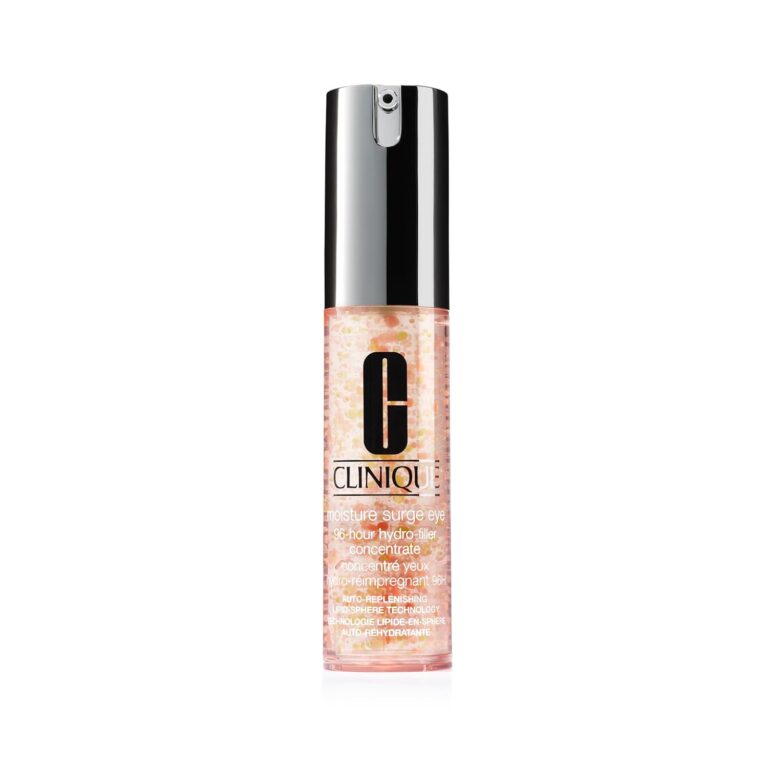
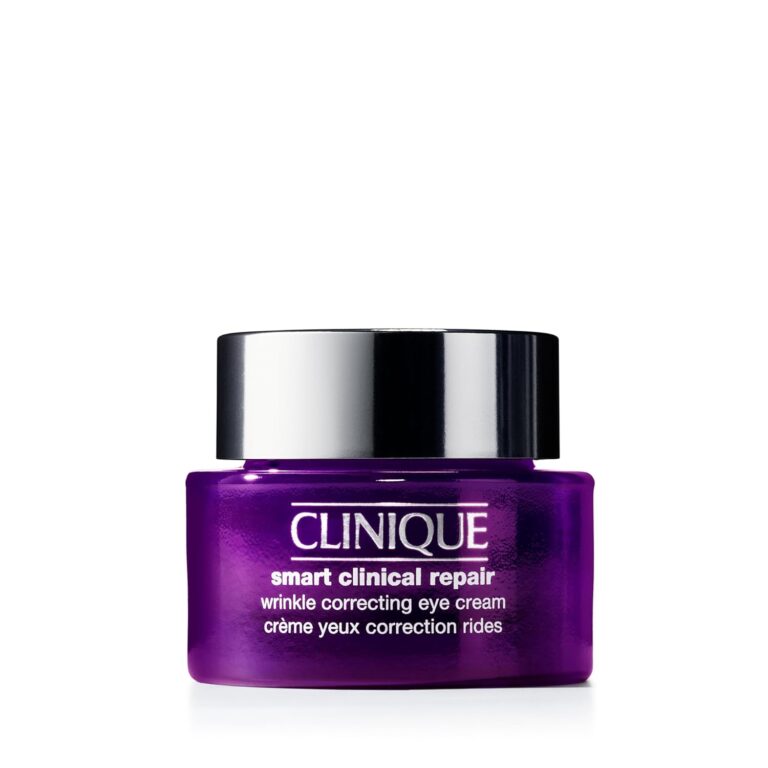
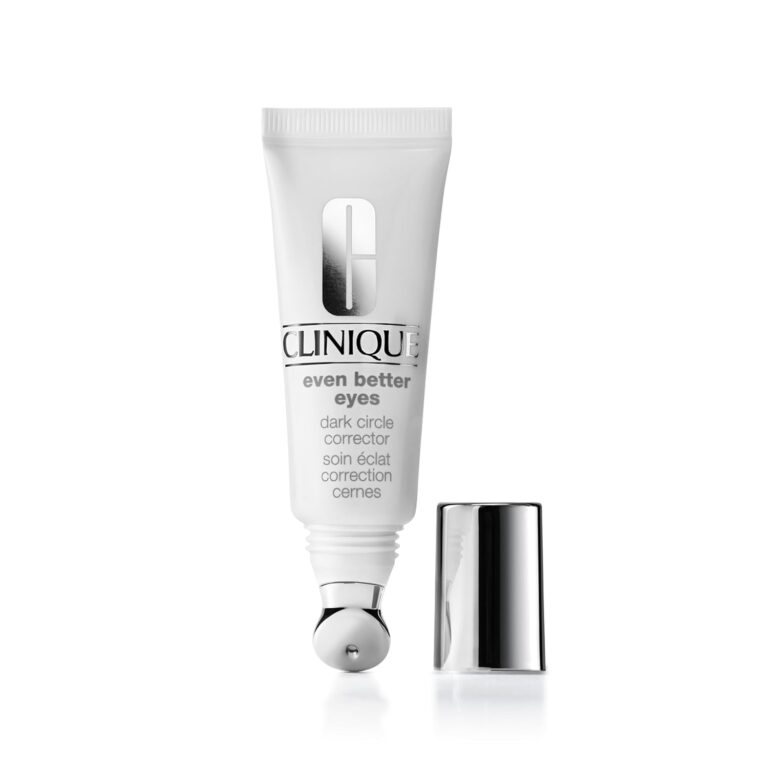
The skin surrounding your eyes is remarkably thin and lacks the dense concentration of oil glands found on the rest of your face. While a dedicated eye cream is not strictly mandatory for survival, it provides highly targeted benefits for this delicate, fragile area. Many standard facial moisturizers contain strong active ingredients or heavy textures that can easily irritate the sensitive optical region or cause tiny cysts called milia. A well-formulated eye cream delivers gentle, encapsulated hydration and specific peptides designed to address dark circles without causing uncomfortable swelling or redness.
Why does my face break out when I try to fix my dry skin?
Experiencing unexpected breakouts while attempting to hydrate extreme dryness usually indicates you are using the wrong physical texture for your pores. When your face feels tight and flaky, the natural instinct is to apply the heaviest, thickest ointment you can possibly find. Unfortunately, if you actually have dehydrated oily skin rather than a true dry profile, these heavy occlusives will immediately trap sebum and bacteria inside your pores. You must focus on applying lightweight, water-based hydrating layers to fix the dehydration without creating unnecessary, painful acne congestion in the process.