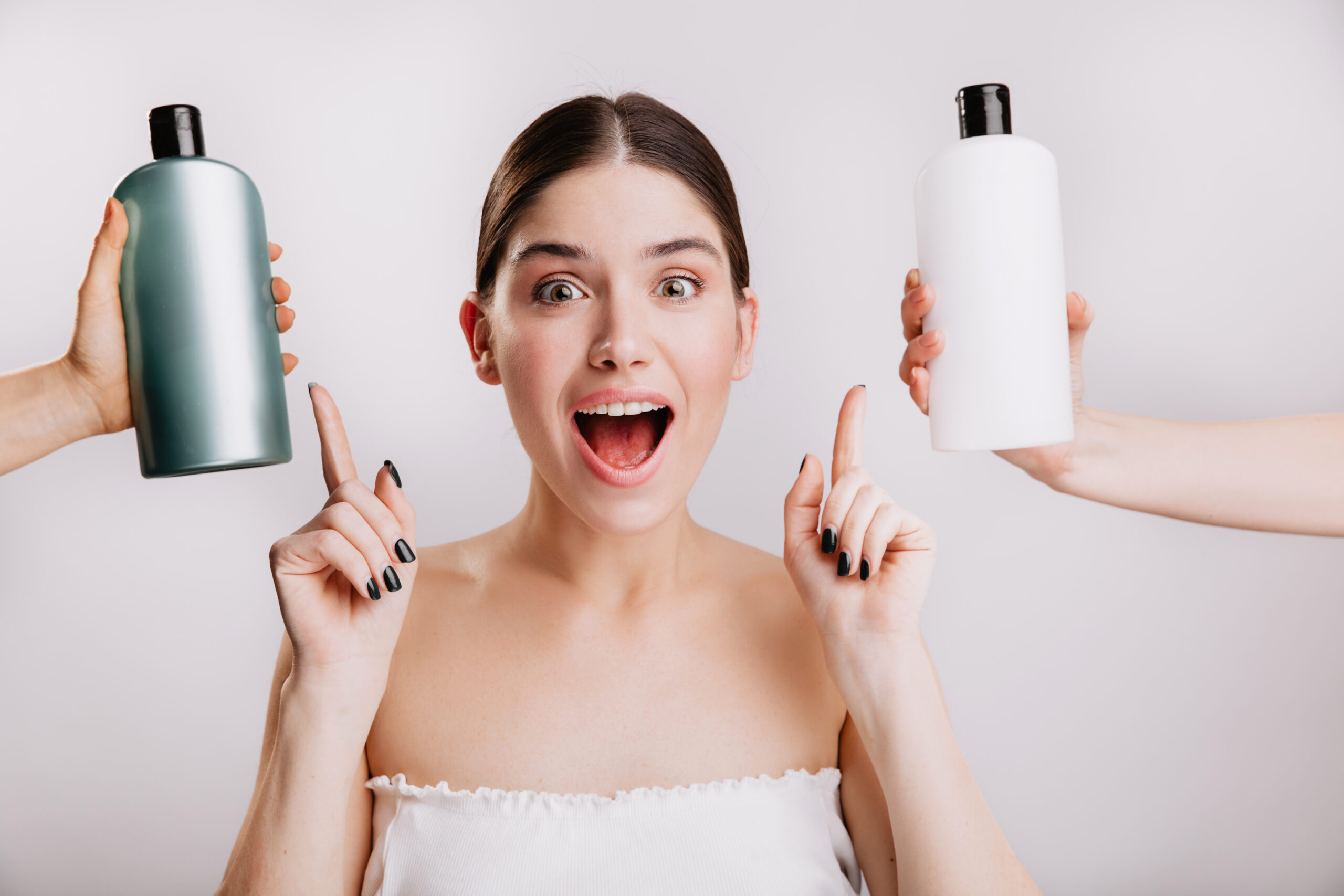
Walking down the hair care aisle feels like navigating an endless maze. You face rows of colorful bottles promising incredible volume, intense moisture, and mirror-like shine. With so many options competing for your attention, picking the perfect formula often results in a guessing game. You might buy a top-rated product only to find it leaves your strands greasy, flat, or completely stripped of moisture.
Great hair does not happen by accident or through clever marketing. It happens when you understand your unique biology. Your scalp condition, hair texture, and styling habits dictate exactly what type of cleanser you need. Using the wrong formula can disrupt your scalp’s microbiome and cause long-term structural weakness.
This comprehensive guide will transform the way you shop for hair care. We will explore how to identify your specific hair profile and match it with the correct ingredients. You will learn the science behind common formulations, what to avoid, and exactly how to repair damaged hair starting directly in your shower.
Understanding Your Scalp and Hair Type
Before you can select the right cleanser, you need to understand what you are actually washing. Many people mistakenly choose products based solely on their hair’s mid-lengths and ends. However, shampoo is primarily a scalp treatment.
Your scalp produces natural oils called sebum, which travel down the hair shaft to provide protection and hydration. The rate at which you produce sebum determines your scalp type. By correctly identifying your foundation, you can narrow down your product choices immediately.
Identifying Your Scalp Condition
If your roots look flat and greasy within 24 hours of washing, you have an oily scalp. Your sebaceous glands work overtime, meaning you need a cleanser that removes excess oil without triggering even more sebum production. If your scalp feels tight, itchy, or prone to flaking after a wash, you have a dry scalp. You lack natural moisture and need a soothing, hydrating formula to replenish the lipid barrier.
If you can comfortably go three to four days without washing before noticing excess oil, you have a balanced scalp. You require a gentle, maintenance-focused shampoo. Once you know your scalp type, you must evaluate your hair texture.
Decoding Your Hair Texture
Hair texture refers to the diameter of your individual strands. Fine hair strands are incredibly thin and easily weighed down by heavy products. Thick or coarse hair has a wider diameter, making it prone to dryness and frizz because natural oils struggle to penetrate the thick cuticle.
Your curl pattern also plays a massive role in your product selection. Straight hair allows oils to glide down the shaft quickly, while curly and coily hair features twists and turns that block moisture from reaching the ends. Understanding where your hair falls on this spectrum is the key to building an effective wash routine.
Matching Hair Types with the Perfect Shampoo
Now that you know your scalp condition and texture, it is time to match those traits with specific formulations. Every shampoo category serves a distinct purpose.
Best Shampoos for Fine and Flat Hair
Fine hair demands lightweight formulas. If you use heavy, creamy shampoos, your strands will clump together and look completely lifeless. You need products specifically labeled as volumizing or thickening.
Volumizing shampoos work by gently opening the hair cuticle, making each strand appear slightly thicker. They contain lightweight ingredients like panthenol (Vitamin B5) and hydrolyzed wheat protein. These ingredients add structural support without leaving a heavy film behind. Always avoid products containing thick silicones or heavy butters if you want to maintain volume at your roots.
Best Shampoos for Dry and Coarse Hair
Dry, coarse hair requires maximum hydration. Your goal is to smooth the rough outer cuticle and trap moisture inside the hair shaft. Avoid clear, transparent shampoos, as these usually indicate a stronger cleansing power meant for oily scalps.
Instead, look for creamy, opaque shampoos labeled as moisturizing, smoothing, or hydrating. These formulas contain rich emollients and humectants. Ingredients like glycerin, aloe vera, and shea butter draw moisture from the air and push it into your strands. They provide the deep conditioning necessary to make coarse hair manageable and soft.
Best Shampoos for Curly and Coily Hair
Curly and coily hair types are naturally the driest textures. Because the spiral shape prevents scalp oils from moisturizing the ends, harsh cleansers easily strip away what little hydration exists. This leads to severe frizz, tangles, and structural breakage.
If you have curls, you must use highly moisturizing, sulfate-free shampoos. Many people with curly hair benefit from using a co-wash, which is a cleansing conditioner that removes dirt without using foaming agents. Look for formulas packed with natural oils like jojoba, argan, and sweet almond oil. These ingredients provide the “slip” necessary to detangle your curls safely in the shower.
Best Shampoos for Oily Scalps
Managing an oily scalp requires a delicate balance. If you use a harsh, stripping shampoo, your scalp will panic and produce even more oil to compensate for the sudden dryness. You need a gentle but effective cleanser.
Look for balancing or purifying shampoos that use mild surfactants. Ingredients like tea tree oil, peppermint, and salicylic acid work brilliantly for oily scalps. They gently dissolve excess sebum and unclog hair follicles without causing irritation. Avoid any shampoo that advertises added moisture, intense hydration, or smoothing properties, as these will only exacerbate your greasy roots.
The Science of Shampoo Ingredients
Reading a shampoo ingredient label often feels like reading a foreign language. However, understanding a few key terms empowers you to make smarter purchasing decisions. Knowing what to embrace and what to avoid keeps your hair in optimal condition.
Ingredients to Embrace
Proteins are essential for maintaining hair strength. Look for hydrolyzed keratin, silk amino acids, or soy protein on the back of the bottle. These microscopic proteins temporarily patch holes in your hair cuticle, preventing breakage and adding structural integrity.
Natural oils and extracts offer incredible nourishment without the heavy buildup associated with synthetic chemicals. Argan oil provides a massive dose of Vitamin E and antioxidants. Jojoba oil closely mimics your scalp’s natural sebum, making it highly effective for balancing moisture levels. Aloe vera acts as a soothing anti-inflammatory agent, creating a healthy environment for hair follicles to thrive.
Ingredients to Avoid
Sulfates are aggressive cleansing agents responsible for the thick, satisfying lather in most commercial shampoos. The most common are Sodium Lauryl Sulfate (SLS) and Sodium Laureth Sulfate (SLES). While they effectively remove dirt, they completely strip your hair of its natural moisture barrier. Over time, sulfates cause extreme dryness, color fading, and scalp irritation.
You should also be wary of heavy silicones. Ingredients ending in “-cone,” like dimethicone, coat the hair in a waterproof layer to create artificial shine. While your hair might look glossy initially, this silicone barrier prevents real moisture from entering the hair shaft. Eventually, the hair underneath the silicone suffocates, becomes incredibly brittle, and snaps off.
Targeted Solutions for Chemical and Heat Trauma
Daily heat styling, frequent bleaching, and chemical relaxers subject your hair to immense trauma. These processes blow the hair cuticle completely open and destroy the internal hydrogen and disulfide bonds. If you regularly manipulate your hair this way, you are likely wondering how to repair damaged hair effectively.
The recovery process starts with the right cleanser. Standard moisturizing shampoos are not enough to fix compromised structural integrity. You need to upgrade to specialized restorative or bond-building shampoos.
Restorative shampoos contain advanced technologies designed to work on a molecular level. They seek out broken bonds within the hair shaft and link them back together. By using a damage-repairing shampoo consistently, you reduce friction during the washing process and slowly rebuild the cortex. Pair this with a gentle, sulfate-free approach to ensure you do not further agitate the fragile cuticle while you cleanse.
Conclusion
Choosing the right shampoo is the most important foundation of your entire beauty routine. When you stop buying products based on trendy packaging and start buying based on your biological needs, your hair will transform.
Take a moment to evaluate your current shower shelf. Check the ingredient lists against your known scalp condition and hair texture. If your current formula contains harsh sulfates or heavy silicones that do not serve your hair type, it is time for an upgrade. Armed with this knowledge, you can confidently navigate the beauty aisle and invest in the long-term health, strength, and brilliance of your strands.
Frequently Asked Questions (FAQs)
How often should I wash my hair?
Washing frequency depends entirely on your specific scalp type and lifestyle. If you have fine hair and an oily scalp, you may need to wash daily or every other day to prevent grease buildup. If you have thick, dry, or curly hair, washing daily will strip your essential natural oils and cause severe dryness. Most people with balanced scalps find that washing two to three times a week keeps their hair clean and healthy. Listen to your scalp; if it feels itchy or heavy, it is time to cleanse.
What is product buildup and how do I remove it?
Product buildup occurs when styling creams, dry shampoo, hard water minerals, and natural oils accumulate on your scalp and hair shaft. This sticky residue blocks hair follicles and prevents moisture from penetrating the hair cuticle. Your hair will typically look dull, feel gummy when wet, and refuse to hold a style. To remove this buildup, use a clarifying shampoo once or twice a month. Clarifying formulas provide a deep, detoxifying cleanse that resets your scalp and leaves your hair completely bare and receptive to moisture.
How can I improve my overall scalp health?
A healthy scalp is the absolute prerequisite for healthy hair growth. You can improve your scalp environment by choosing pH-balanced cleansers that do not disrupt your natural microbiome. Incorporate a physical scalp massage into your washing routine using your fingertips or a silicone brush. Massaging for three to five minutes stimulates blood circulation, delivering vital oxygen and nutrients directly to your hair follicles. Additionally, avoid applying thick conditioners or styling gels directly to your roots, as these will clog your pores and cause inflammation.
Should I switch shampoos regularly to prevent my hair from getting used to it?
Hair is biologically dead tissue; it cannot build a “tolerance” to your shampoo. If your favorite cleanser suddenly stops giving you great results, your hair has not become immune to it. Instead, the change is likely due to seasonal weather shifts, hormonal fluctuations, or accumulated product buildup on your scalp. Rather than throwing away a good product, try incorporating a clarifying wash to remove residue, and then return to your trusted formula.